



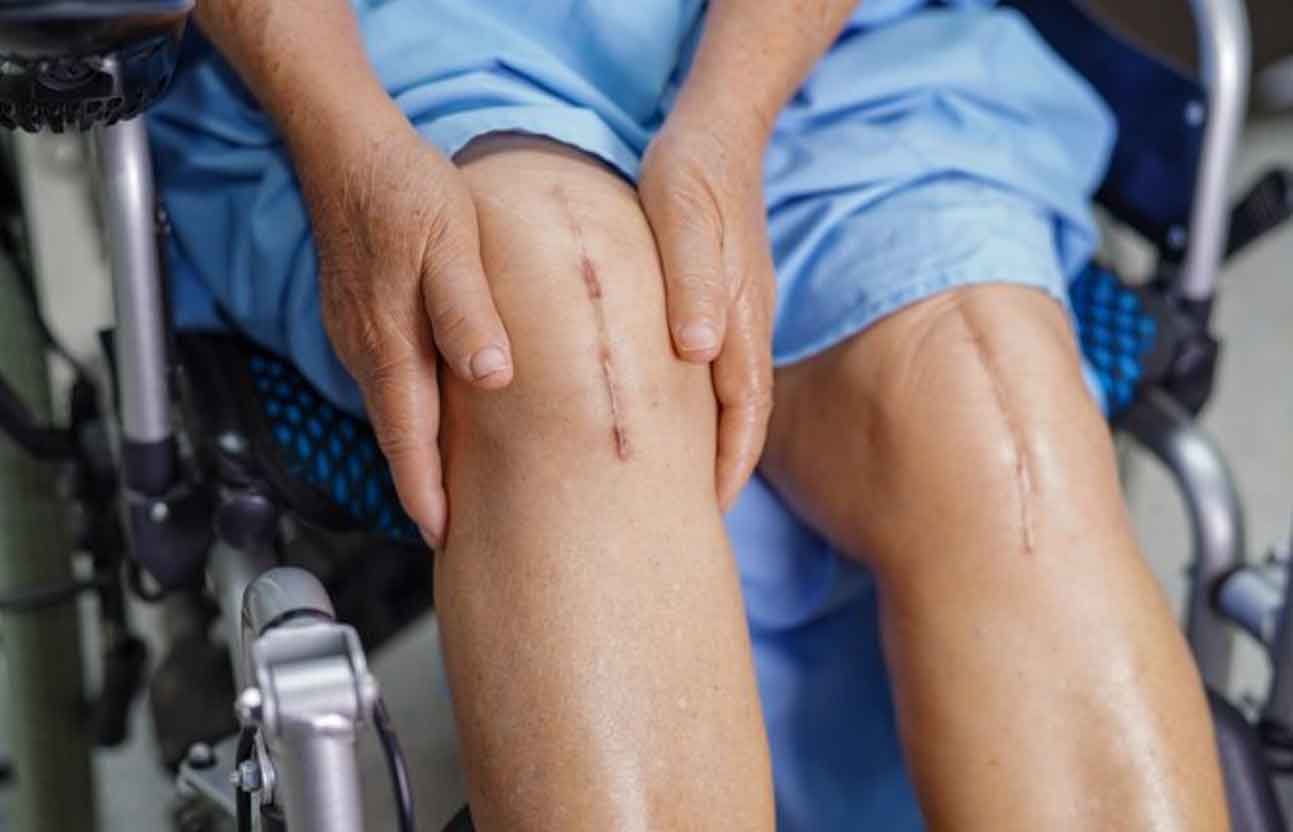
A UK Patient Travels to India for Double Knee Replacement
For many patients, the decision to travel overseas for medical treatment is not an easy one. Concerns about healthcare quality, travel, communication, recovery and being away from family can make medical travel a major decision.
However, for some international patients, long waiting periods and differences in private healthcare costs can lead them to explore treatment options outside their home country.
A recent case involving a 51-year-old man from the UK has brought renewed attention to medical tourism in India. According to a report published by The Times of India, the patient, Jean-Paul, travelled to India for simultaneous double knee replacement surgery after facing a lengthy waiting process for treatment in the UK.
His experience highlights some of the factors that can influence international patients when considering planned orthopedic treatment abroad, including waiting times, treatment costs, specialist expertise and postoperative rehabilitation.
From Years of Knee Pain to a Difficult Treatment Decision
According to the report, Jean-Paul had experienced severe knee pain for several years. After eventually undergoing private imaging and being referred to an orthopedic specialist, he was told that both knees required replacement.
The challenge was not simply receiving a diagnosis. The reported treatment pathway in the UK involved a lengthy waiting period, with the first knee replacement followed by recovery and then another waiting period for the second knee.
For a patient experiencing significant mobility problems and living with a young family, the prospect of remaining in pain for an extended period became an important consideration.
This is one of the reasons why medical tourism from the UK to India and other international healthcare destinations has attracted attention. For planned procedures where patients have time to research their options, differences in waiting periods, treatment costs and availability can influence the decision to seek treatment overseas.
Why Did He Consider India?
The decision to travel to India was reportedly influenced by both cost and access to treatment.
According to the published report, private treatment for a single knee replacement in England would have cost approximately three times the amount he paid for replacing both knees in India.
This does not mean that every knee replacement in India will cost a specific percentage less than treatment in the UK. Costs vary depending on the hospital, surgeon, implant, surgical technique, patient's medical condition, room category, investigations, rehabilitation and other factors.
Nevertheless, knee replacement cost in India can be an important consideration for international patients comparing treatment options.
For patients considering overseas healthcare, however, price should never be the only deciding factor. The experience of the orthopedic surgeon, hospital infrastructure, accreditation, implant quality, infection-control practices, rehabilitation facilities and follow-up arrangements should all be evaluated before making a decision.
Double Knee Replacement in India
Double knee replacement, also known as bilateral knee replacement, involves replacing both knee joints. Whether both knees should be operated on during the same surgical episode depends on the patient's overall health, severity of joint damage, age, medical history and the assessment of the orthopedic and anesthesia teams.
In the reported case, Jean-Paul underwent bilateral knee replacement at a hospital in India. The report states that he was able to stand and walk a short distance approximately four hours after surgery.
Early mobilization is an important component of modern joint-replacement rehabilitation, although the exact timing varies considerably between patients. A person's ability to stand or walk shortly after surgery should not be interpreted as a universal expected outcome.
The patient's medical history, surgical approach, anesthesia, pain management, physical condition and rehabilitation programme all influence recovery.
Recovery Does Not End With the Surgery
One of the particularly interesting aspects of this patient's experience was the emphasis on postoperative rehabilitation.
According to the report, after surgery he moved to a dedicated after-care facility where he received physiotherapy twice a day. The report described improvement in his ability to perform exercises and mobility activities over the following weeks.
This highlights an important consideration for patients planning knee replacement surgery in India: the hospital operation itself is only one part of the treatment journey.
Successful recovery can involve pain management, wound care, physiotherapy, mobility training, nutritional support and regular medical reviews. International patients also need to consider how long they should remain in India before undertaking a long-haul flight.
A well-planned medical travel programme should therefore include postoperative care and rehabilitation rather than focusing solely on the surgical procedure.
Is Knee Replacement in India Safe for International Patients?
Safety should be one of the first questions any international patient asks before travelling for surgery.
India has a large healthcare sector that includes multispecialty hospitals, specialist orthopedic centres, advanced surgical facilities and rehabilitation services. However, the quality and capabilities of individual hospitals can vary.
Patients should therefore research the specific hospital and surgeon rather than judging healthcare quality based on the country alone.
Important factors to consider include the surgeon's qualifications and experience, hospital accreditation, orthopedic facilities, intensive-care support where appropriate, infection-control standards, implant options, anesthesia services, emergency facilities and postoperative rehabilitation.
Patients should also ask for a detailed treatment estimate and understand exactly what is included.
Why International Patients Consider India for Orthopedic Surgery
Orthopedic procedures such as knee replacement, hip replacement, spine surgery and sports injury treatment are among the areas that attract international patients to India.
Several factors can influence this decision. India has a large pool of specialist doctors and tertiary-care hospitals, while treatment costs may be lower than private healthcare costs in some Western countries.
For some patients, access to treatment within a shorter timeframe can also be an important consideration.
However, medical tourism should not be approached as simply finding the cheapest hospital. The real objective is to identify a healthcare provider that offers the appropriate medical expertise, facilities, safety standards and postoperative support for the patient's specific condition.
What Should Patients Consider Before Choosing Knee Replacement in India?
Patients considering knee replacement in India should first obtain a proper orthopedic assessment and confirm whether surgery is actually appropriate.
Medical records such as X-rays, MRI scans where relevant, previous consultation reports, blood-test results, medication details and information about existing medical conditions can help the orthopedic team understand the patient's situation before travel.
Patients should then compare suitable hospitals and surgeons based on experience with knee replacement surgery, hospital facilities, implant choices, expected hospital stay and rehabilitation arrangements.
The financial estimate should also be examined carefully. Patients should clarify whether the quoted cost includes the surgeon's fee, hospital charges, anesthesia, implants, investigations, medicines, room charges, physiotherapy and postoperative consultations.
Cost Is Important, But It Should Not Be the Only Factor
The reported UK case has attracted attention partly because of the significant difference in treatment cost. But international patients should be cautious when comparing healthcare prices.
A very low initial quotation may not include every component of treatment. Additional investigations, specialized implants, extended hospital stays, complications or rehabilitation may increase the final cost.
Therefore, patients should ask for a transparent treatment estimate and understand the assumptions behind the quotation.
The right question is not simply "How much does knee replacement cost in India?" but rather "What is the expected total cost of my complete treatment and recovery journey?"
The Importance of Rehabilitation After Knee Replacement
Knee replacement surgery is intended to improve mobility and reduce pain, but rehabilitation plays an important role in helping patients regain strength and function.
Physiotherapy may begin soon after surgery and can continue for weeks or months depending on the patient's progress. Rehabilitation may include exercises to improve knee movement, muscle strength, balance, walking ability and independence.
For international patients, this raises an important logistical question: should rehabilitation take place in India or after returning home?
The answer depends on the patient's medical condition, surgeon's recommendations, travel plans and availability of appropriate rehabilitation services at home.
A medical-tourism coordinator can help organize these practical arrangements, but medical decisions should remain with the treating healthcare professionals.
India as a Medical Tourism Destination
India has increasingly become an important destination for international healthcare, particularly for patients seeking specialist treatment and planned procedures.
The country's healthcare system includes large multispecialty hospitals, specialized centres and internationally oriented patient services. Many hospitals have departments dedicated to international patients, providing assistance with appointments, documentation, accommodation and travel coordination.
For patients from the UK, Gulf countries, Africa and other regions, India can therefore represent one option to consider when evaluating planned medical treatment abroad.
However, each patient's situation is different, and treatment should always be selected after appropriate medical evaluation rather than solely on the basis of cost or online testimonials.
What This UK Patient's Experience Can Teach International Patients
The reported case is interesting not simply because a UK patient travelled to India, but because it demonstrates how several factors can come together when patients make decisions about international healthcare.
In this case, the reported considerations included prolonged knee pain, waiting periods, the cost of private treatment, availability of bilateral surgery, access to orthopedic care and postoperative rehabilitation.
But every medical-tourism journey is different. A treatment decision that is appropriate for one patient may not be suitable for another.
International patients should therefore use individual patient stories as a starting point for research rather than as a guarantee of a particular treatment outcome.
Planning Knee Replacement Treatment in India With Medinglo
For an international patient, arranging surgery in another country involves much more than finding a hospital.
Medical records need to be reviewed, consultations need to be arranged, treatment options need to be discussed, costs need to be understood and travel and accommodation need to be coordinated.
Medinglo helps international patients explore healthcare options in India and coordinate the practical aspects of their medical journey. This can include connecting patients with appropriate hospitals and specialists, arranging consultations, supporting treatment coordination and assisting with travel, accommodation and local transportation.
For patients travelling from the Gulf region, Arabic-speaking assistance can also make communication and coordination easier throughout the journey.
The goal is to help patients make an informed decision based on their medical needs rather than simply selecting a hospital based on price.
Considering Knee Replacement Surgery in India?
The story of a UK patient travelling to India for bilateral knee replacement demonstrates why international healthcare decisions are becoming increasingly global.
For some patients, the combination of specialist medical expertise, treatment availability, potentially lower costs and structured postoperative care can make India an option worth investigating.
But choosing the right hospital requires careful research. Patients should evaluate the surgeon, hospital, treatment plan, implant options, safety standards, total cost and rehabilitation programme before travelling.
If you are considering knee replacement surgery in India, Medinglo can help you explore suitable treatment options and coordinate your medical travel journey.
The right medical destination is not simply the one with the lowest price — it is the one that offers the appropriate treatment, qualified specialists, safe facilities and a well-planned recovery pathway for your individual needs.
Medical Disclaimer
This article is based partly on a reported individual patient experience and is intended for general informational purposes only. Individual surgical outcomes, costs, waiting times and recovery periods vary. Patients considering knee replacement or any other surgical procedure should obtain an independent medical assessment from a qualified orthopedic specialist before making treatment or travel decisions.