



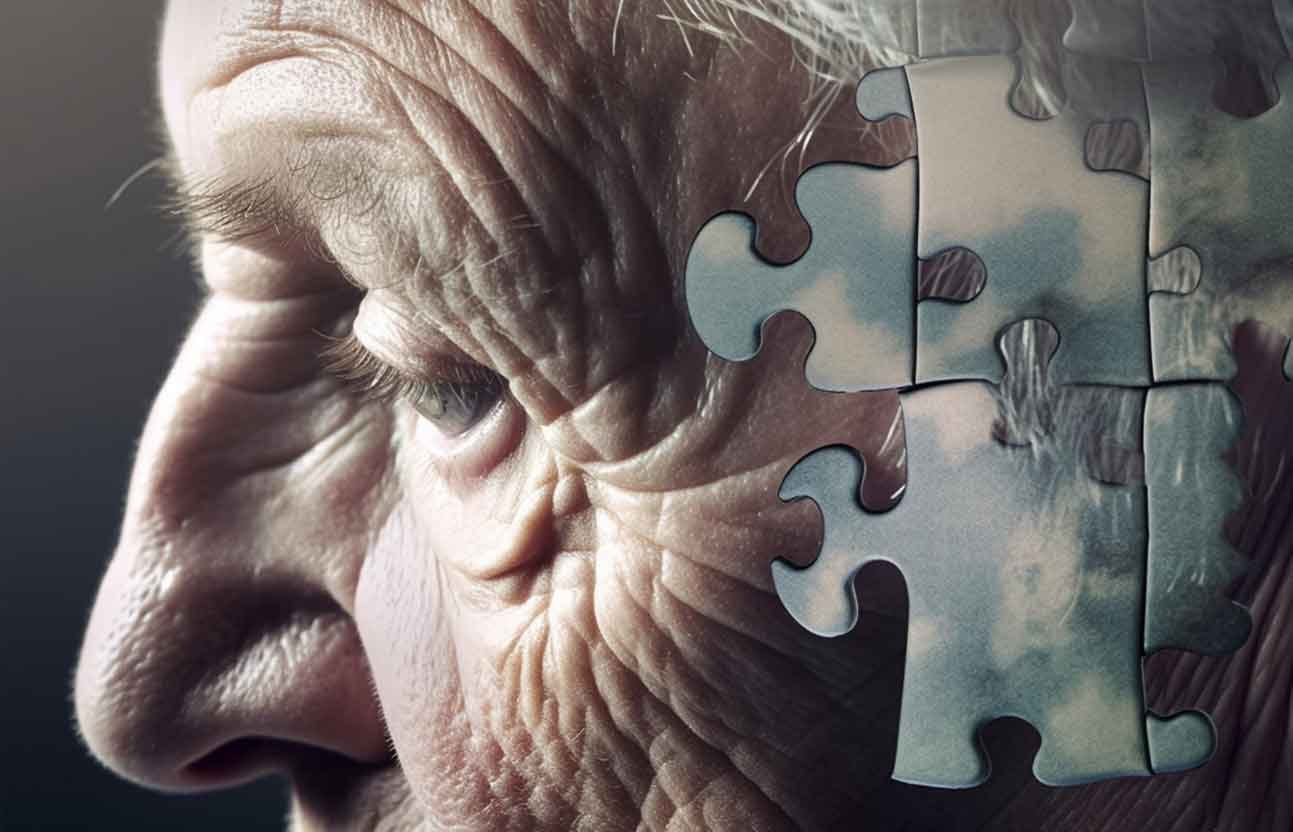
Alzheimer’s disease and other forms of dementia can affect memory, thinking, communication, behaviour and the ability to manage everyday activities. Although dementia is more common with increasing age, it is not considered a normal part of ageing. Early assessment can help identify the type and cause of cognitive decline and allow patients and families to plan appropriate treatment and long-term support.
For patients looking for Alzheimer’s disease and dementia treatment in Kerala, India, Kerala offers access to neurological, geriatric, psychiatric, rehabilitation and supportive healthcare services. Treatment is generally focused on identifying the underlying cause, managing symptoms, maintaining independence for as long as possible and supporting both the patient and their caregivers.
Medical note: Alzheimer’s disease currently has no universal cure. Treatment decisions depend on the diagnosis, stage of disease, other medical conditions and the individual patient. The information below is educational and should not replace consultation with a qualified specialist.
What Is Alzheimer’s Disease?
Alzheimer’s disease is a progressive neurological disorder that affects memory and other cognitive functions. It is the most common cause of dementia, although dementia itself is a broader term covering several conditions that can cause significant decline in memory, thinking and daily functioning.
In the early stages, a person may experience difficulty remembering recently learned information, finding the right words, managing familiar tasks or making decisions. As the condition progresses, problems with communication, orientation, behaviour and independence may become more noticeable.
Alzheimer’s disease develops gradually, and symptoms can vary considerably between individuals. Therefore, a detailed clinical assessment is important rather than assuming that every memory problem is Alzheimer’s disease.
What Is Dementia?
Dementia is an umbrella term used to describe a group of symptoms associated with a decline in cognitive abilities severe enough to interfere with everyday life.
Alzheimer’s disease is one cause of dementia. Other forms include vascular dementia, dementia with Lewy bodies and frontotemporal dementia. Some people may also have more than one type of brain disease contributing to their symptoms.
Because treatment can differ according to the underlying condition, identifying the dementia subtype can be an important part of specialist assessment.
Common Causes and Risk Factors
The causes of dementia depend on the specific type. In Alzheimer’s disease, changes in the brain progressively affect nerve cells and their connections. Vascular dementia can be associated with conditions that damage blood vessels in the brain, while other forms have different underlying mechanisms.
Age is one of the strongest risk factors for Alzheimer’s disease and many other dementias. Other factors that may contribute to cognitive decline include cardiovascular disease, diabetes, high blood pressure, smoking, physical inactivity and certain other health conditions.
However, having one or more risk factors does not mean that a person will necessarily develop dementia.
Early Symptoms of Alzheimer’s Disease
Early symptoms can sometimes be subtle and may initially be mistaken for ordinary ageing. Persistent or progressively worsening changes deserve medical evaluation.
Common symptoms can include:
- Frequently forgetting recently learned information
- Repeating questions or conversations
- Difficulty finding familiar words
- Problems managing finances or familiar tasks
- Becoming confused about dates, places or situations
- Difficulty planning or solving problems
- Losing interest in previously familiar activities
- Changes in mood, personality or behaviour
The presence of occasional forgetfulness alone does not establish a diagnosis of Alzheimer’s disease.
Symptoms in the Later Stages
As dementia progresses, cognitive and functional difficulties can become more significant. A person may require increasing assistance with activities such as dressing, eating, medication management and personal hygiene.
Communication may become more difficult, and changes in sleep, mood or behaviour can occur. Some individuals may also experience difficulties with mobility, swallowing or maintaining adequate nutrition.
The pattern and rate of progression are different for each person. Continuous medical assessment and appropriate supportive care become increasingly important as needs change.
How Is Alzheimer’s Disease Diagnosed?
There is no single test that can diagnose every case of Alzheimer’s disease. Diagnosis generally involves a combination of medical history, information from family members or caregivers, physical and neurological examination, cognitive assessment and appropriate laboratory or imaging investigations.
Guidelines recommend investigating potentially reversible causes of cognitive decline, including certain medical conditions, medication effects, depression, sensory problems and other factors. Cognitive testing can help assess memory and other thinking abilities, while brain imaging may be used to help identify other causes or clarify the dementia subtype.
When the diagnosis remains uncertain, specialist assessment may include additional investigations such as PET imaging or cerebrospinal-fluid testing in selected cases. These tests are not required for every patient.
Why Early Diagnosis Matters
Early diagnosis can provide valuable information for both the patient and family. It can help identify treatable or reversible contributors to cognitive symptoms and establish an appropriate management plan.
It also gives families an opportunity to discuss future care preferences, medication management, financial planning, safety and support requirements while the person can still participate meaningfully in these decisions.
Early evaluation is particularly important when memory or behavioural changes are persistent, progressively worsening or beginning to interfere with daily activities.
Alzheimer’s Disease Treatment in Kerala
Treatment for Alzheimer’s disease is usually multidisciplinary. Depending on the individual's condition, care may involve neurologists, geriatricians, psychiatrists, psychologists, physiotherapists, occupational therapists, speech and language professionals, nutrition specialists and trained caregivers.
There is currently no single treatment that reverses established Alzheimer’s disease. Management focuses on maintaining function, reducing symptoms, supporting independence and improving quality of life.
Certain medicines may be prescribed for appropriate patients. International clinical guidance includes acetylcholinesterase inhibitors such as donepezil, galantamine and rivastigmine for some people with mild to moderate Alzheimer’s disease. Memantine may be considered in certain people with moderate or severe disease. Medication should be selected and monitored by an appropriately qualified clinician because suitability, side effects, interactions and other medical conditions need to be considered.
Non-Medical Management and Rehabilitation
Medication is only one part of dementia care. Non-drug interventions can play an important role in maintaining daily function and wellbeing.
Depending on the person's needs, management may include cognitive stimulation, occupational therapy, physical activity, speech and communication support, structured daily routines and assistance with everyday activities. NICE guidance recommends tailored activities that promote wellbeing and supports cognitive stimulation therapy for people with mild to moderate dementia.
Rehabilitation is particularly useful when dementia occurs alongside problems with balance, walking, physical weakness or communication.
Managing Behavioural and Psychological Symptoms
Dementia can sometimes be accompanied by anxiety, depression, agitation, sleep disturbances, confusion or changes in behaviour.
These symptoms should be assessed carefully because they can sometimes be triggered or worsened by pain, infection, medication changes, constipation, dehydration, environmental changes or other medical problems.
A structured routine, familiar surroundings, adequate sleep, regular physical activity and meaningful social interaction may help some individuals. Medication for behavioural symptoms should be considered carefully by healthcare professionals because potential benefits and risks vary between patients.
The Role of Family and Caregivers
Dementia affects the entire family, not only the person diagnosed with the condition.
Caregivers may need to assist with medication, appointments, meals, personal care, finances and safety. They may also need to monitor changes in memory, behaviour and physical health.
Caregiver education and support are therefore an important part of comprehensive dementia management. A well-organised care plan can help families understand what to expect and recognise changes that require medical attention.
Dementia Rehabilitation in Kerala
Rehabilitation can be incorporated into dementia care depending on the patient's physical and cognitive condition.
Physiotherapy may help maintain mobility, strength and balance. Occupational therapy can focus on everyday activities and strategies for maintaining independence. Speech and language therapy may be considered when communication or swallowing difficulties develop.
The rehabilitation programme should be individualised rather than based only on the dementia diagnosis.
Alzheimer’s and Dementia Care for International Patients
Patients travelling to Kerala from outside India may require additional planning. A medical evaluation should ideally begin with a review of previous medical records, medication lists, laboratory results, brain scans and previous neurological or psychiatric assessments.
Families travelling with an elderly patient should also consider accommodation, transportation, mobility requirements, medication availability and the length of stay.
For patients from GCC countries and other international destinations, having medical information translated into English before consultation can make the initial assessment easier.
Alzheimer’s Disease Treatment in Kochi, Kerala
Kochi can be considered by patients looking for neurological and multidisciplinary healthcare services in Kerala. As one of the state's major healthcare centres, the city provides access to specialist consultations, diagnostic facilities and rehabilitation services.
Patients seeking dementia care in Kochi may undergo neurological or geriatric assessment followed by appropriate cognitive testing, laboratory investigations and brain imaging when clinically indicated.
For international patients, Kochi can also be convenient because of its international airport and established healthcare infrastructure.
How to Choose a Dementia Care Centre in Kerala
When considering dementia treatment in Kerala, families should look beyond the availability of a particular treatment and evaluate the overall care pathway.
Important factors include access to qualified neurological or geriatric specialists, diagnostic facilities, cognitive assessment, rehabilitation services, medication management and caregiver support.
It is also useful to ask whether follow-up consultations can be arranged after the patient returns home and whether medical reports can be shared securely with the patient's local doctor.
Cost of Alzheimer’s and Dementia Treatment in Kerala
The cost of dementia care varies significantly depending on the patient's condition and the investigations or services required.
The overall expense may include specialist consultation, cognitive assessments, blood tests, imaging, medication, rehabilitation and follow-up appointments. Patients requiring additional care or repeated assessments may have higher ongoing costs.
For international patients, travel, accommodation and transportation should also be considered when estimating the total cost of treatment in Kerala.
A personalised medical assessment is the best way to determine which investigations and treatments are actually required rather than estimating the cost based solely on the diagnosis.
Can Alzheimer’s Disease Be Prevented?
There is no guaranteed method of preventing Alzheimer’s disease. However, maintaining overall cardiovascular and brain health is considered important.
Regular physical activity, a balanced diet, adequate sleep, social engagement and management of conditions such as high blood pressure, diabetes and high cholesterol may contribute to healthier ageing.
Smoking cessation and limiting excessive alcohol consumption are also important for overall health.
These measures should be viewed as part of healthy ageing rather than as a guarantee against dementia.
When Should You See a Doctor?
Medical assessment should be considered when memory or thinking problems are persistent, progressively worsening or affecting everyday activities.
A consultation is especially important if someone begins getting lost in familiar places, repeatedly forgets important information, struggles with familiar tasks, experiences major personality or behavioural changes, or has difficulty managing medications or finances.
Sudden confusion is different from gradual dementia and can indicate an acute medical problem requiring prompt medical evaluation.
Frequently Asked Questions
Is Alzheimer’s disease the same as dementia?
No. Dementia is a general term describing significant decline in cognitive abilities that affects everyday life. Alzheimer’s disease is one of the conditions that can cause dementia.
Is there a cure for Alzheimer’s disease?
There is currently no universal cure that reverses established Alzheimer’s disease. Treatment focuses on managing symptoms, maintaining function and supporting quality of life. Some medicines can provide symptomatic benefit for appropriate patients.
What is the best treatment for dementia?
There is no single best treatment for all dementia patients. Management depends on the type of dementia, stage of disease, symptoms, other health conditions and individual needs.
Can dementia be treated in Kerala?
Yes. Dementia assessment and management can be provided through appropriate neurological, geriatric, psychiatric, diagnostic and rehabilitation services in Kerala.
Is Alzheimer’s treatment available in Kochi?
Kochi has specialist healthcare and diagnostic infrastructure where patients can seek neurological, geriatric and related services for cognitive disorders.
How is Alzheimer’s disease diagnosed?
Diagnosis usually involves medical history, cognitive assessment, physical and neurological examination, laboratory tests and, when appropriate, brain imaging or additional specialist investigations.
Are medicines available for Alzheimer’s disease?
Several medicines are used for symptom management in selected patients. Donepezil, galantamine and rivastigmine are options for some patients with mild to moderate Alzheimer’s disease, while memantine may be considered in certain moderate or severe cases. Treatment should be prescribed and monitored by an appropriately qualified clinician.
Can physiotherapy help people with dementia?
Physiotherapy does not cure dementia, but it may help maintain mobility, strength, balance and physical function when included as part of an individualised care programme.
Conclusion
Alzheimer’s disease and dementia require a long-term approach that goes beyond medication. Accurate diagnosis, appropriate treatment, rehabilitation, caregiver education and regular follow-up can all contribute to better management and quality of life.
For patients considering Alzheimer’s disease and dementia treatment in Kerala, the state offers access to specialist medical assessment, diagnostic services, rehabilitation and supportive care. Kochi can also be considered by patients seeking multidisciplinary healthcare services in Kerala.
The most appropriate treatment depends on the individual's diagnosis, symptoms, stage of disease and overall health. Families should therefore seek a comprehensive medical evaluation before deciding on a treatment plan.
Medinglo can assist international patients in understanding the available medical care options in Kerala and coordinating the next steps based on their individual healthcare requirements.