



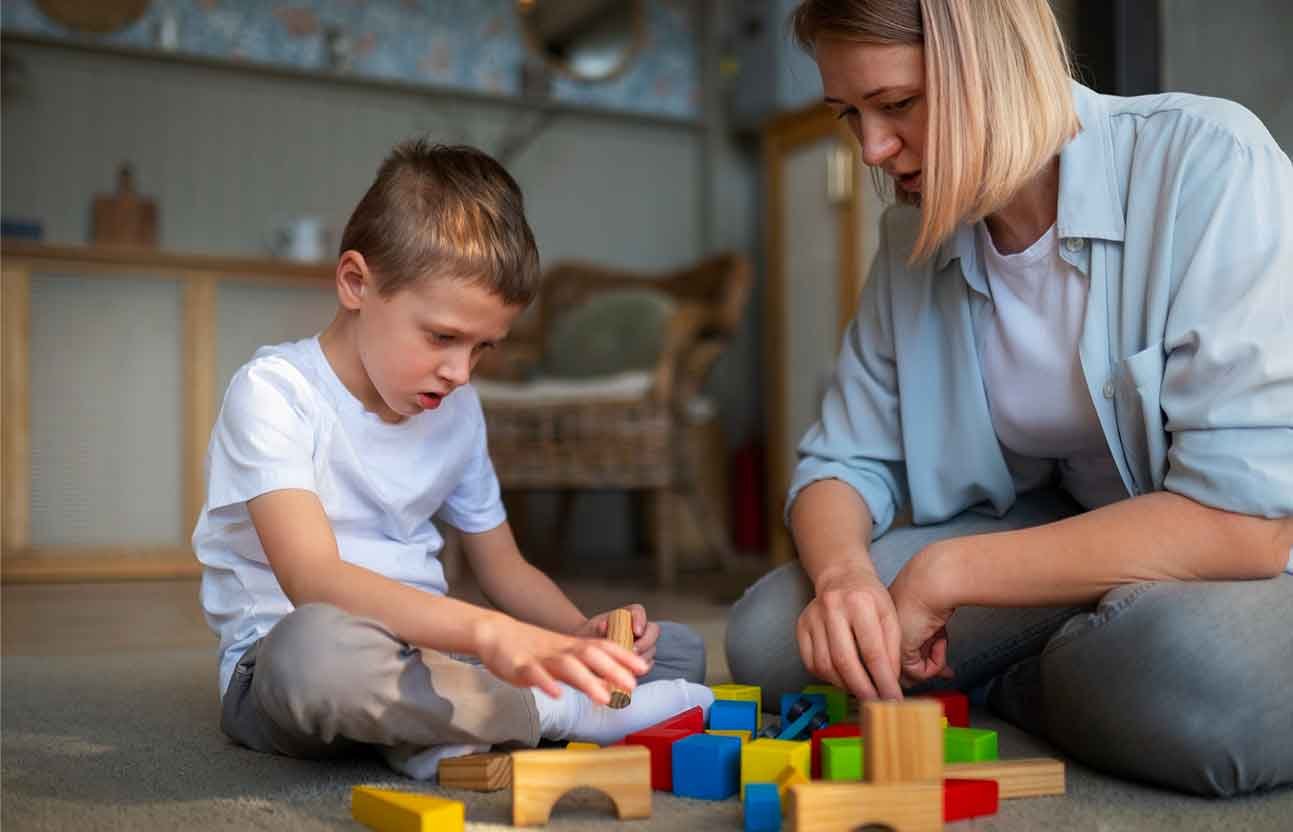
Autism, or Autism Spectrum Disorder (ASD), is a neurodevelopmental condition that affects how a person communicates, interacts with others, learns, processes information and experiences the world around them. Autism is described as a "spectrum" because it can affect individuals in very different ways and to varying degrees.
Some autistic people may require significant support with communication, learning and daily activities, while others may live independently and require relatively limited support. Autism can be identified during early childhood, although some people are diagnosed later in childhood, adolescence or adulthood.
There is no single treatment that is appropriate for every autistic person. Instead, support is usually individualized according to the person's communication abilities, developmental needs, strengths, challenges and goals.
For families exploring autism treatment in India, access to multidisciplinary developmental care, behavioral therapies, speech and language therapy, occupational therapy and educational support can be important components of a comprehensive care plan.
What Is Autism Spectrum Disorder?
Autism Spectrum Disorder is a developmental condition associated with differences in social communication and interaction, along with restricted or repetitive patterns of behavior, interests or activities.
These characteristics generally begin during the developmental period, although they may not become obvious until social or communication demands increase.
Autism can affect communication, social relationships, sensory processing, behavior, learning and everyday functioning. At the same time, autistic people can have many individual strengths, including strong attention to detail, deep knowledge of particular interests, visual thinking, creativity or distinctive problem-solving abilities.
It is important to understand that autism is not one uniform condition. Two autistic children can have very different abilities and support needs.
What Causes Autism?
The exact cause of autism is not completely understood. Research indicates that autism is associated with a combination of genetic and developmental factors that influence how the brain develops and functions.
There is no single cause responsible for all cases of autism. Different genetic factors may contribute to autism, and certain developmental or biological factors may also influence the likelihood of an individual being autistic.
Importantly, vaccines do not cause autism. This has been extensively studied, and the evidence does not support a causal link between vaccination and autism.
Parents should also understand that autism is not caused by poor parenting or a lack of affection.
Early Signs of Autism
Some signs of autism may become noticeable during the first years of life. However, developmental patterns vary considerably from one child to another.
Possible early signs may include limited or inconsistent eye contact, reduced response when their name is called, delays in speech or language development, limited use of gestures, difficulty with social interaction, repetitive movements or a strong preference for routines.
Some children may lose previously acquired language or social skills, while others may show differences gradually as they grow older.
A child displaying one of these characteristics does not necessarily have autism. Developmental differences can have many causes, which is why professional assessment is important when parents have concerns.
Common Symptoms of Autism Spectrum Disorder
Autism can affect different areas of development. One of the major areas involves social communication and interaction.
An autistic person may have difficulty understanding social cues, maintaining a back-and-forth conversation, interpreting facial expressions or body language, forming relationships or adapting communication to different social situations.
Another important characteristic is restricted or repetitive behavior and interests. This can include repetitive movements, repeated words or phrases, strong attachment to routines, highly focused interests or distress when familiar routines change.
Some autistic people also experience sensory differences. They may be unusually sensitive or under-responsive to sounds, lights, textures, smells, tastes or physical sensations.
The severity and combination of these characteristics vary significantly between individuals.
Autism and Communication Difficulties
Communication differences are common in autism, but they do not look the same for everyone.
Some children may have delayed speech or may not develop spoken language. Others may speak fluently but have difficulty maintaining conversations, understanding implied meanings or recognizing the social aspects of communication.
Some autistic individuals may use repetitive language, have difficulty answering open-ended questions or prefer communicating through alternative methods.
Speech and language therapy can help develop communication skills based on the individual's needs. For children who have limited spoken communication, therapists may also explore alternative and augmentative communication methods when appropriate.
The goal is not simply to make a child speak but to help them communicate effectively and express their needs, choices, emotions and ideas.
Autism and Sensory Processing
Many autistic individuals experience differences in the way they process sensory information.
A child may find certain sounds overwhelming, dislike particular clothing textures, become distressed by bright lights or have strong reactions to specific smells. Another person may seek sensory stimulation by touching objects, moving repeatedly or looking at lights or patterns.
Sensory differences can influence behavior and participation in school, therapy and everyday activities.
An occupational therapist can assess sensory and functional needs and develop strategies to help the individual manage everyday environments more comfortably.
How Is Autism Diagnosed?
There is no single blood test, scan or laboratory test that can diagnose autism.
Diagnosis is generally based on developmental history, behavioral observation and assessment of communication, social interaction and behavior.
A multidisciplinary evaluation may involve developmental pediatricians, child psychologists, psychiatrists, speech and language therapists, occupational therapists or other qualified professionals.
The assessment may include discussions with parents or caregivers, observation of the child's behavior and the use of standardized developmental or autism assessment tools.
A comprehensive evaluation is important because symptoms associated with autism can overlap with other developmental, behavioral, communication or learning conditions.
Why Early Autism Assessment Matters
Early assessment can help families understand a child's developmental needs and identify appropriate support.
If a child has difficulties with speech, communication, social interaction, learning or behavior, waiting for the child to "grow out of it" may delay access to useful developmental services.
Early intervention does not mean that autism can be eliminated. Rather, it aims to help children develop communication, social, adaptive, learning and everyday skills while supporting their individual strengths.
Parents who have developmental concerns should discuss them with a qualified pediatric or developmental professional rather than attempting to diagnose the child themselves.
Autism Treatment and Therapy
There is no medication or therapy that "cures" autism. Support focuses on helping autistic individuals communicate, learn, participate in everyday activities and achieve their personal goals.
A comprehensive autism care programme may include behavioral and developmental interventions, speech and language therapy, occupational therapy, physical therapy when needed, educational support and family counseling.
The appropriate combination depends on the individual. A child with significant speech delay may benefit particularly from communication therapy, while another child may require greater support with sensory processing, social interaction or daily living skills.
Treatment should therefore be personalized rather than based on a single standardized programme.
Behavioral and Developmental Therapies for Autism
Behavioral and developmental interventions are widely used to support autistic children.
Applied Behavior Analysis (ABA) is one approach that uses principles of learning and behavior to develop specific skills and reduce behaviors that interfere with learning or daily life. Modern approaches may focus on communication, social participation, adaptive skills and positive reinforcement.
Other developmental approaches focus on social communication, play, interaction and learning through everyday activities.
The choice of therapy should take into account the child's age, developmental profile, communication abilities, needs and family priorities.
Families should also ask therapists about treatment goals, how progress will be measured and how the child's comfort, dignity and preferences will be respected.
Speech and Language Therapy for Autism
Speech and language therapy can be an important part of autism care, particularly for children with communication difficulties.
Therapy may focus on developing speech, understanding language, expressing needs, using gestures, participating in conversations and improving social communication.
For children who do not communicate effectively through speech, alternative communication approaches may be considered. These can include picture-based systems or electronic communication devices, depending on the individual's needs.
Effective communication support can make a significant difference in a child's ability to participate at home, at school and in the wider community.
Occupational Therapy for Autism
Occupational therapy can help autistic children develop skills needed for everyday activities.
Depending on the individual's needs, therapy may address sensory processing, fine motor skills, self-care, handwriting, dressing, feeding-related skills, play and participation in school activities.
Occupational therapists may also help families understand sensory triggers and develop practical strategies for everyday environments.
The objective is to improve functional participation and independence rather than simply reducing individual behaviors.
Physical Therapy and Autism
Not every autistic person needs physical therapy. However, some individuals may experience difficulties with motor coordination, balance, posture, muscle strength or movement.
Physical therapy may be considered when these difficulties affect mobility, participation in activities or physical development.
A physiotherapist can assess movement and develop an individualized exercise or rehabilitation programme when appropriate.
Regular physical activity can also support general fitness, coordination, strength and overall well-being.
Medications and Autism
There is no medication that treats the core characteristics of autism itself.
However, doctors may prescribe medication when an autistic person has co-occurring conditions or symptoms such as significant anxiety, attention difficulties, severe behavioral challenges, sleep problems or certain psychiatric conditions.
Medication should be prescribed and monitored by an appropriately qualified healthcare professional.
Families should be cautious about products promoted as autism "cures" or treatments without reliable scientific evidence. Any supplement, herbal product or alternative treatment should be discussed with a qualified healthcare professional before use.
Autism and Diet
There is currently no universally recommended diet that cures or treats autism itself.
Some autistic children may have feeding difficulties, highly restricted food preferences, sensory sensitivities or gastrointestinal problems. These issues can affect nutrition and overall health and may require assessment.
A pediatrician, dietitian or other qualified professional can help identify nutritional concerns and develop an appropriate eating plan.
Families should be cautious about restrictive diets or nutritional supplements marketed as autism treatments, particularly when they are recommended without professional assessment.
Autism Support for Parents and Families
Autism affects the entire family, and parents may need support as they learn how to understand their child's developmental needs.
Families can benefit from guidance on communication, behavior, education, daily routines and social participation. Parent training can also help caregivers use consistent strategies at home.
It is equally important for parents and caregivers to look after their own emotional and physical well-being. Caring for a child with developmental support needs can be demanding, and professional counseling or parent support groups may be helpful.
A collaborative relationship between parents, therapists, teachers and doctors can provide more consistent support for the child.
Autism and Education
Education is an important part of long-term development for autistic children.
Some children may benefit from mainstream education with appropriate accommodations, while others may require specialized educational environments or additional learning support.
Educational planning should consider communication abilities, learning style, sensory needs, behavior, independence and social development.
Collaboration between families, teachers, therapists and healthcare professionals can help create a learning environment that supports the child's strengths while addressing areas where additional assistance is needed.
Autism Treatment in Kerala, India
Kerala has a growing healthcare and rehabilitation infrastructure, with pediatric specialists, developmental professionals, speech therapists, occupational therapists, physiotherapists and behavioral therapy services available in major cities.
Families searching for autism treatment in Kerala may consider a multidisciplinary approach where different specialists work together to understand the child's developmental needs.
Kochi, in particular, is an important healthcare centre in Kerala and provides access to multispecialty hospitals, pediatric services, rehabilitation professionals and developmental care.
When selecting a treatment centre, parents should consider the qualifications and experience of the professionals, the range of therapies available, the approach to individualized treatment and how progress is monitored.
Autism Treatment in India for International Patients
India has developed a broad healthcare and rehabilitation network, and some international families consider the country for developmental assessment and therapy services.
Families travelling to India should ideally share previous medical reports, developmental assessments, therapy records and educational information before travelling. This can help healthcare professionals understand the child's history and determine which assessments or therapies may be appropriate.
For international families, practical factors such as treatment schedules, accommodation, transportation, language assistance and follow-up care should also be considered.
The objective should be to select care based on the child's individual developmental needs rather than simply choosing treatment based on cost or location.
How Medinglo Can Help International Patients
Families travelling to India for autism assessment or developmental support may need assistance coordinating different aspects of their healthcare journey.
Medinglo can help international patients explore suitable hospitals and healthcare providers in India, coordinate consultations and assist with practical arrangements related to the medical journey.
For families travelling from GCC countries, Arabic-speaking staff can help facilitate communication and coordination during consultations and treatment.
Medinglo's role is to support the coordination of the healthcare journey while medical professionals remain responsible for diagnosis, therapy recommendations and clinical decisions.
Can Autism Be Cured?
Autism is a lifelong neurodevelopmental condition, and there is currently no scientifically established cure that removes autism.
However, appropriate support can help autistic individuals develop communication, learning, social, adaptive and independent living skills.
The level of support required can change throughout a person's life. Some individuals may need substantial assistance, while others may become highly independent.
A person's progress should therefore be measured in terms of meaningful functional development, communication, quality of life and participation rather than expecting autism itself to disappear.
Frequently Asked Questions About Autism
What are the early signs of autism?
Early signs may include differences in eye contact, response to name, gestures, speech and language development, social interaction, play, repetitive behaviors or responses to sensory experiences. However, these signs can also occur in children without autism, so professional developmental assessment is important.
At what age can autism be diagnosed?
Autism can sometimes be identified during early childhood. The exact age of diagnosis varies depending on the child's developmental characteristics, the availability of screening and assessment services and how clearly the signs are expressed.
Can autism be detected during pregnancy?
There is currently no routine prenatal test that can definitively diagnose autism. Autism is a neurodevelopmental condition involving complex genetic and developmental factors.
Does autism go away with age?
Autism is a lifelong developmental condition. However, abilities, communication and support needs can change significantly throughout life, particularly when an individual receives appropriate developmental, educational and therapeutic support.
Is there a cure for autism?
There is no scientifically established cure for autism. Treatment and support focus on helping individuals develop skills, communicate effectively, participate in daily activities and achieve greater independence and quality of life.
Can speech therapy help a child with autism?
Yes. Speech and language therapy can support communication development, language comprehension, speech, social communication and alternative forms of communication when spoken language is limited.
Is ABA therapy suitable for every autistic child?
ABA is one approach used in autism support, but it is not necessarily appropriate in exactly the same form for every child. Therapy should be individualized according to the child's needs, goals, developmental profile and preferences, with progress monitored regularly.
Can autistic children attend regular schools?
Some autistic children attend mainstream schools with appropriate accommodations and support, while others may benefit from specialized educational settings. The appropriate educational environment depends on the individual child's abilities, needs and learning requirements.
Is autism caused by vaccines?
No. Extensive scientific research has found no evidence that vaccines cause autism.
When should parents seek an autism assessment?
Parents should consider seeking professional advice if they have concerns about their child's communication, social interaction, development, behavior, play or sensory responses. Early assessment can help identify appropriate support.
Start Your Autism Care Journey in India
Autism is a spectrum, and every autistic individual has a unique combination of abilities, challenges and support needs. Understanding these differences is an important first step toward providing appropriate care.
Whether a family is seeking developmental assessment, speech and language therapy, occupational therapy, behavioral support or a multidisciplinary autism care programme, individualized planning is essential.
For international families considering autism treatment in Kerala, India, access to multidisciplinary healthcare and rehabilitation services can provide opportunities for comprehensive assessment and personalized support.
Medinglo can assist international patients in exploring suitable healthcare providers, coordinating consultations and organizing the practical aspects of their medical journey in India.
Medical Disclaimer: This article is intended for general educational and informational purposes only. It does not constitute medical advice, diagnosis or treatment. Autism should be assessed by qualified healthcare and developmental professionals. Treatment and therapy recommendations should be individualized according to the person's needs.