



Blocked nose, constant headaches, facial pressure, recurring sinus infections, and difficulty breathing can significantly affect daily life. While antibiotics, nasal sprays, and decongestants may provide temporary relief, many people continue to experience recurring symptoms because the underlying causes remain unaddressed.
This is where Ayurvedic treatment for sinusitis offers a different perspective. Rather than simply suppressing symptoms, Ayurveda aims to restore balance within the body, strengthen the immune system, eliminate accumulated toxins, and improve the natural drainage of the sinuses. With centuries of clinical practice and holistic healing principles, Ayurveda has become a trusted choice for people seeking long-term relief from both acute and chronic sinusitis.
In this comprehensive guide, you'll learn how Ayurveda understands sinusitis, the causes according to Ayurvedic medicine, effective herbal medicines, Panchakarma therapies, dietary recommendations, lifestyle modifications, and why Kerala, India has become one of the world's leading destinations for Ayurvedic sinus treatment.
What Is Sinusitis?
Sinusitis, also known as a sinus infection or rhinosinusitis, is the inflammation of the air-filled cavities surrounding the nose. Healthy sinuses continuously produce mucus that drains naturally into the nasal passages. However, when these passages become inflamed or blocked due to infections, allergies, environmental irritants, or structural abnormalities, mucus accumulates inside the sinuses, creating an ideal environment for bacterial or fungal growth.
Depending on the duration of symptoms, sinusitis may be classified as acute, recurrent, subacute, or chronic. Chronic sinusitis lasts for more than 12 weeks and often requires a comprehensive treatment approach rather than repeated short courses of medication.
Common Symptoms of Sinusitis
The symptoms of sinusitis can vary from mild discomfort to severe facial pain, depending on the extent of inflammation and infection. Many patients experience persistent nasal congestion that makes breathing difficult, accompanied by thick yellow or green nasal discharge. Facial pressure around the eyes, forehead, cheeks, or nose is another hallmark symptom and may worsen when bending forward.
Other common symptoms include headaches, postnasal drip, chronic cough, sore throat, reduced sense of smell, bad breath, fatigue, mild fever, and ear pressure. In chronic cases, patients often report recurring episodes that interfere with sleep, work, and overall quality of life.
Why Does Sinusitis Keep Coming Back?
Many individuals wonder why sinus infections return despite repeated antibiotic treatments. The reason is that antibiotics primarily target bacterial infections but do not address underlying contributors such as allergies, weakened immunity, chronic inflammation, environmental pollutants, digestive health, or structural nasal problems.
Repeated use of antibiotics may temporarily reduce symptoms, but if mucus drainage remains poor or inflammation persists, the sinuses become susceptible to recurrent infections. This is why long-term management often requires improving the body's natural defense mechanisms rather than treating each episode in isolation.
Sinusitis in Ayurveda: Understanding "Peenasa"
According to Ayurveda, chronic sinusitis closely resembles a condition called Peenasa, which is primarily associated with an imbalance of Kapha Dosha along with the involvement of Vata Dosha. Excess Kapha leads to the accumulation of mucus, congestion, heaviness, and blockage of the respiratory passages, while aggravated Vata contributes to pain, headaches, and impaired airflow.
Ayurveda also considers poor digestion (Mandagni) and the accumulation of toxins (Ama) to be major contributors to chronic respiratory disorders. When digestion becomes weak, toxins accumulate within the body and disturb the normal functioning of the respiratory system, leading to recurring sinus congestion and infections.
Instead of focusing solely on the inflamed sinuses, Ayurveda treats the entire body by improving digestion, eliminating toxins, balancing the doshas, strengthening immunity, and restoring proper respiratory function.
Root Causes of Sinusitis According to Ayurveda
Ayurveda believes that sinusitis develops gradually due to a combination of internal and external factors. Frequent consumption of cold foods, refrigerated beverages, excessive dairy products, processed foods, and sweets can aggravate Kapha and increase mucus production. Poor digestion further contributes to toxin accumulation, making the body more vulnerable to recurrent respiratory illnesses.
Environmental pollution, seasonal allergies, dust exposure, chronic stress, inadequate sleep, and weakened immunity also play important roles in disturbing the body's natural balance. Rather than viewing these as isolated causes, Ayurveda considers them interconnected factors that require comprehensive management for lasting relief.
Ayurvedic Medicines for Sinusitis
Ayurvedic physicians prescribe herbal formulations based on each patient's dosha constitution, symptom severity, and overall health condition. The medicines are carefully selected to reduce inflammation, improve sinus drainage, strengthen immunity, and support healthy respiratory function.
Several classical Ayurvedic herbs have traditionally been used in sinus care.
Haridra (Turmeric)
Turmeric is well known for its anti-inflammatory and immune-supporting properties. It helps reduce swelling within the sinus passages while supporting the body's natural defense against infections.
Tulsi (Holy Basil)
Tulsi has been used for centuries to promote respiratory health. It supports easier breathing, reduces congestion, and enhances immune function.
Yashtimadhu (Licorice)
Licorice possesses soothing properties that help calm inflamed mucous membranes while supporting healthy respiratory tissues.
Pippali (Long Pepper)
Pippali improves respiratory function, enhances digestion, and assists in reducing excess Kapha accumulation.
Trikatu
This classical combination of ginger, black pepper, and long pepper helps improve digestion, stimulate metabolism, reduce mucus formation, and support respiratory health.
Sitopaladi Churna
Frequently prescribed for chronic respiratory disorders, Sitopaladi helps reduce cough, congestion, and excess mucus while supporting overall lung function.
Anu Taila
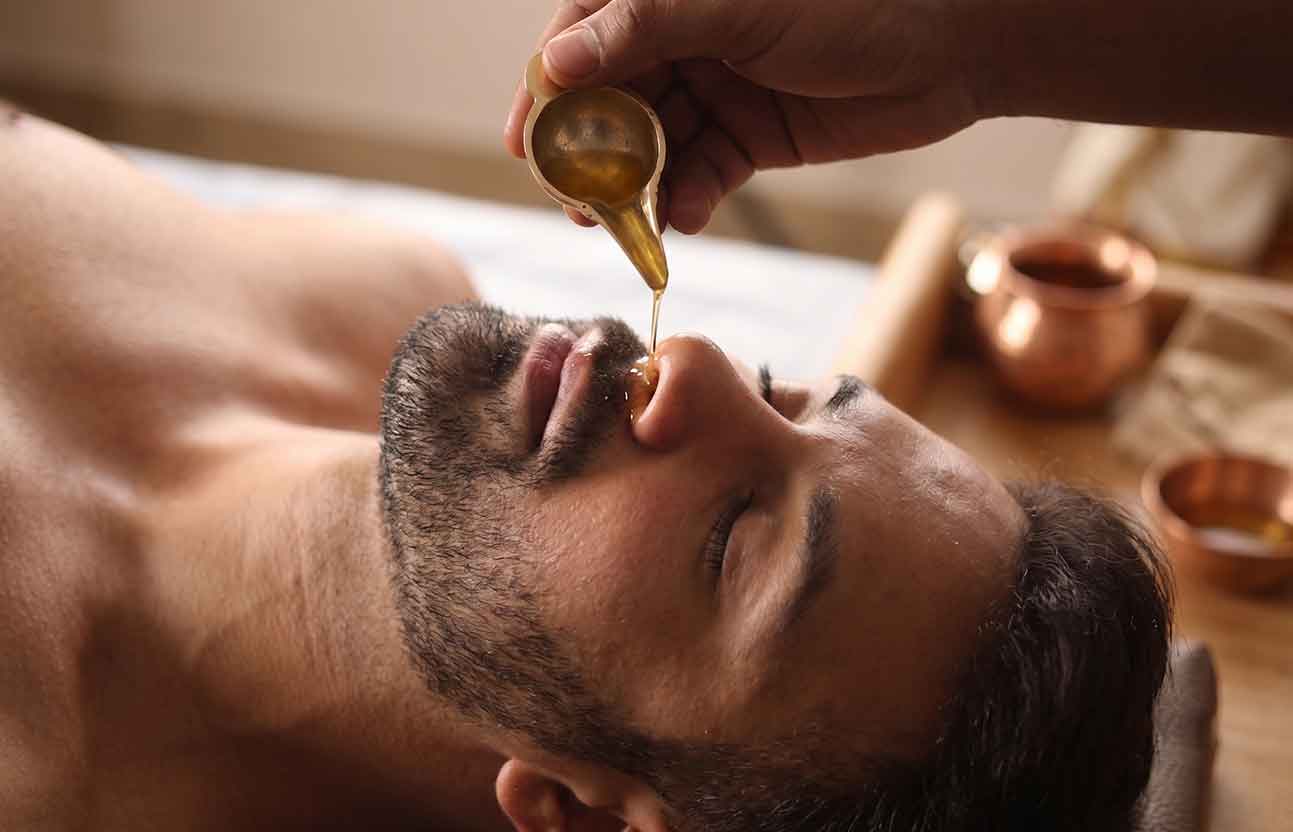
Anu Taila is a traditional medicated nasal oil used in Nasya therapy to lubricate the nasal passages, reduce dryness, improve sinus drainage, and strengthen the upper respiratory tract.
These herbal medicines should always be taken under the supervision of a qualified Ayurvedic physician to ensure proper dosage and personalized treatment.
Panchakarma for Chronic Sinusitis
For patients suffering from long-standing or recurrent sinusitis, Panchakarma therapies often play a central role in treatment. Panchakarma focuses on removing accumulated toxins, restoring dosha balance, and enhancing the body's natural healing capacity.
Among the various Panchakarma procedures, Nasya is considered the most important therapy for sinus disorders. During this treatment, medicated herbal oils are gently administered through the nostrils after facial massage and steam therapy. This process helps loosen thick mucus, improve sinus drainage, nourish nasal tissues, and reduce chronic congestion.
Steam therapy using herbal decoctions further helps open blocked nasal passages and improve breathing. Gentle facial massage promotes lymphatic drainage and improves circulation around the sinus cavities. Depending on the patient's condition, physicians may also recommend Vamana (therapeutic emesis), Virechana (therapeutic purgation), or other detoxification procedures to eliminate excess Kapha and support long-term healing.
When performed under professional supervision, Panchakarma not only relieves symptoms but also addresses the root causes responsible for repeated sinus infections.
Diet and Lifestyle Recommendations
Ayurveda considers food and daily habits to be essential components of sinus health. Patients are generally advised to consume warm, freshly prepared meals that are easy to digest while avoiding refrigerated foods, cold beverages, excessive dairy products, refined sugar, and heavily processed foods.
Warm herbal teas prepared with ginger, turmeric, cinnamon, or tulsi are often recommended to support respiratory health. Drinking adequate warm water throughout the day helps maintain mucus consistency and encourages natural drainage.
Daily breathing exercises (Pranayama), regular yoga practice, sufficient sleep, and stress management techniques further strengthen immunity and improve respiratory function. Avoiding exposure to dust, smoke, and cold weather whenever possible also contributes to better long-term outcomes.
Can Ayurveda Cure Chronic Sinusitis?
One of the most frequently asked questions is whether Ayurveda can permanently cure sinusitis. The answer depends on the underlying cause, severity, duration of illness, and the patient's commitment to treatment and lifestyle modifications.
Many patients with chronic or recurrent sinusitis report significant improvement in nasal congestion, headaches, breathing difficulties, and frequency of infections after following a personalized Ayurvedic treatment plan. Since Ayurveda focuses on correcting the root causes rather than merely suppressing symptoms, it may provide longer-lasting relief for appropriately selected patients.
However, patients with structural nasal abnormalities such as severe deviated nasal septum or nasal polyps may still require evaluation by an ENT specialist, with Ayurveda serving as a complementary approach for symptom management and recovery.
Why Choose Kerala, India for Ayurvedic Sinusitis Treatment?
Kerala is internationally recognized as the birthplace of authentic Ayurveda and remains one of the most trusted destinations for traditional Ayurvedic healthcare. The state is home to experienced BAMS-qualified physicians, NABH-accredited Ayurvedic hospitals, classical Panchakarma centers, and centuries-old treatment traditions that continue to follow authentic Ayurvedic principles.
Patients seeking Ayurvedic treatment for sinusitis in Kerala, India benefit from personalized consultations, high-quality herbal medicines, authentic Panchakarma therapies, peaceful healing environments, and comprehensive wellness programs. Many treatment centers combine traditional medical expertise with modern diagnostic facilities, ensuring safe and evidence-informed patient care.
How Medinglo Helps You
Finding the right Ayurvedic hospital or physician can be challenging, particularly for patients traveling from abroad. Medinglo simplifies the entire process by connecting patients with trusted Ayurvedic hospitals and experienced doctors across Kerala and India.
From reviewing your medical reports and arranging specialist consultations to coordinating accommodation, airport transfers, visa assistance, interpreter services, and follow-up care, Medinglo ensures that your treatment journey remains comfortable, transparent, and well-organized.
Whether you are seeking natural management for chronic sinusitis or a comprehensive Panchakarma program, Medinglo helps you access authentic Ayurvedic care tailored to your individual health needs.
Frequently Asked Questions
Can Ayurveda permanently cure sinusitis?
Ayurveda focuses on addressing the root causes of sinusitis by improving digestion, balancing the doshas, strengthening immunity, and reducing chronic inflammation. While results vary among individuals, many patients experience long-term relief and fewer recurrences after following a personalized Ayurvedic treatment plan under qualified medical supervision.
Which Ayurvedic treatment is best for chronic sinusitis?
Nasya therapy is considered one of the most effective Ayurvedic treatments for chronic sinusitis because it directly targets the nasal passages and sinuses. Depending on the patient's condition, physicians may combine Nasya with Panchakarma detoxification, herbal medicines, dietary modifications, and lifestyle changes for comprehensive management.
Which Ayurvedic medicines are commonly used for sinusitis?
Classical Ayurvedic medicines such as Anu Taila, Sitopaladi Churna, Trikatu, Haridra (Turmeric), Tulsi, Yashtimadhu (Licorice), and Pippali are commonly prescribed. The choice of medicine varies according to the patient's dosha imbalance and should always be determined by a qualified Ayurvedic physician.
How long does Ayurvedic treatment for sinusitis take?
Acute sinusitis may improve within a few weeks, while chronic sinusitis often requires several weeks or months of consistent treatment, including herbal medicines, Panchakarma therapies, dietary changes, and lifestyle improvements to achieve sustainable results.
Is Panchakarma effective for sinusitis?
Yes. Panchakarma, especially Nasya therapy, is widely used in Ayurveda for chronic sinusitis. It helps clear accumulated mucus, improve sinus drainage, reduce inflammation, and restore the healthy functioning of the upper respiratory tract.
Can I combine Ayurvedic treatment with conventional ENT care?
Yes. Many patients benefit from an integrative approach where Ayurvedic treatment complements modern ENT management. Patients should always inform both their ENT specialist and Ayurvedic physician about all ongoing treatments to ensure coordinated care.
Begin Your Natural Healing Journey
Recurring sinus infections don't have to become a lifelong struggle. If you're looking for a holistic approach that addresses the underlying causes of sinusitis rather than temporary symptom relief, Ayurvedic treatment may offer a safe and effective solution.
At Medinglo, we connect patients with experienced Ayurvedic specialists and authentic treatment centers in Kerala, India, helping you access personalized care for long-term sinus health.
Medical Disclaimer: This article is intended for educational purposes only and should not replace professional medical advice. Always consult a qualified physician or BAMS-certified Ayurvedic practitioner before starting any new treatment or herbal medication.