



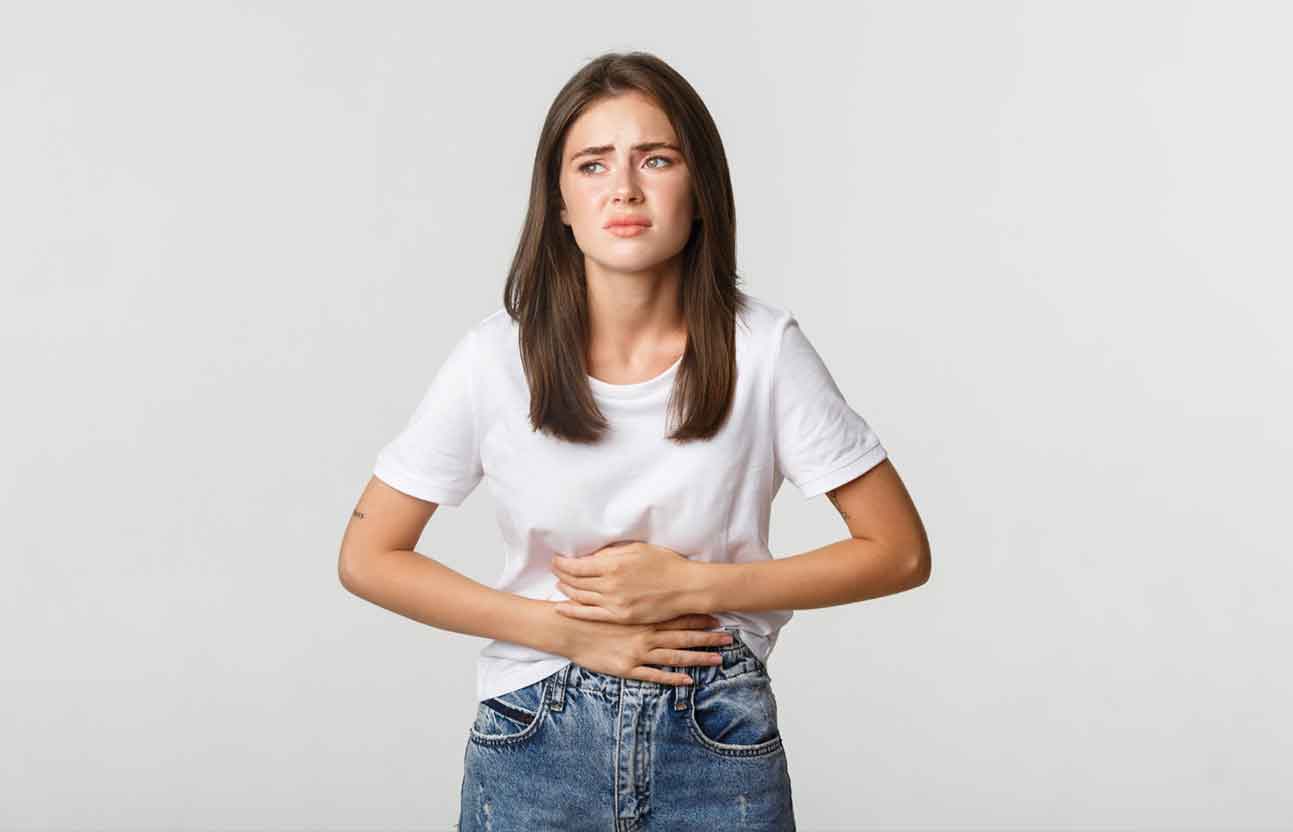
Polycystic Ovarian Disease (PCOD) has become one of the most common hormonal disorders affecting women of reproductive age worldwide. Irregular menstrual cycles, unexplained weight gain, acne, excessive facial hair, difficulty conceiving, and persistent hormonal imbalance have become increasingly common concerns among young women. While modern medicine often manages PCOD through hormonal medications and lifestyle advice, many women seek a more holistic approach that addresses the root cause rather than simply controlling symptoms.
Ayurveda, India's ancient system of medicine, offers a comprehensive approach to managing PCOD by restoring hormonal balance naturally, improving metabolism, correcting digestive health, detoxifying the body, and supporting reproductive wellness. Rather than considering PCOD as an isolated ovarian disorder, Ayurveda views it as the result of systemic imbalance involving metabolism, hormones, digestion, and overall health.
In this guide, we explore how Ayurveda understands PCOD, its symptoms, causes, Ayurvedic medicines, Panchakarma therapies, dietary recommendations, fertility support, and why Kerala, India has become one of the preferred destinations for authentic Ayurvedic treatment for PCOD.
What is PCOD?
Polycystic Ovarian Disease (PCOD) is a hormonal condition in which the ovaries produce immature or partially mature eggs that eventually develop into small fluid-filled cysts. These cysts interfere with normal ovulation and hormonal balance, resulting in irregular menstrual cycles and several metabolic complications.
Although PCOD and PCOS (Polycystic Ovary Syndrome) are often used interchangeably, they are not exactly the same. PCOD is generally considered a milder condition where the ovaries release immature eggs, whereas PCOS is a more complex endocrine disorder involving significant hormonal dysfunction and metabolic abnormalities. Nevertheless, both conditions share many common symptoms and require long-term management.
With increasing stress levels, sedentary lifestyles, unhealthy dietary habits, obesity, and environmental influences, the prevalence of PCOD continues to rise among women across all age groups.
Common Symptoms of PCOD
The symptoms of PCOD vary considerably from one woman to another. Some women experience only mild menstrual irregularities, while others struggle with infertility and multiple metabolic complications. Early recognition of symptoms plays a crucial role in preventing long-term health issues.
One of the earliest signs is irregular or missed menstrual periods caused by disrupted ovulation. Many women also notice gradual weight gain despite maintaining similar eating habits, particularly around the abdomen. Persistent acne that does not respond well to conventional treatments, oily skin, excessive facial or body hair (hirsutism), thinning scalp hair, dark patches around the neck or underarms (acanthosis nigricans), mood swings, fatigue, and difficulty losing weight are also common.
As hormonal imbalance progresses, many women face challenges in conceiving naturally due to irregular ovulation. Left untreated, PCOD may also increase the long-term risk of insulin resistance, type 2 diabetes, high cholesterol, hypertension, and cardiovascular disease.
Why Does PCOD Develop?
Modern medicine attributes PCOD to a combination of genetic predisposition, insulin resistance, hormonal imbalance, obesity, chronic inflammation, and lifestyle factors. Elevated insulin levels stimulate the ovaries to produce excess androgens (male hormones), which interfere with normal ovulation.
Poor sleep, emotional stress, highly processed foods, excessive sugar consumption, lack of physical activity, and chronic inflammation further aggravate hormonal imbalance.
Because multiple body systems are involved, managing PCOD requires more than simply regulating menstrual cycles—it requires restoring overall metabolic and hormonal health.
PCOD in Ayurveda: Understanding the Root Cause
Although classical Ayurvedic texts do not specifically mention "PCOD" by name, its symptoms closely resemble conditions associated with Artava Dushti, Pushpaghni Jataharini, and disorders involving Kapha, Vata, and impaired Agni (digestive fire).
According to Ayurveda, excessive Kapha causes accumulation within the reproductive channels, while aggravated Vata disrupts the normal movement responsible for ovulation and menstruation. Weak digestion leads to the formation of Ama (metabolic toxins), which further blocks body channels (Srotas), affecting hormonal regulation and ovarian function.
Instead of focusing solely on the ovaries, Ayurveda works to restore the body's internal balance by correcting digestion, improving metabolism, balancing hormones, detoxifying tissues, and strengthening reproductive health naturally.
Ayurvedic Treatment for PCOD
One of Ayurveda's greatest strengths is its individualized treatment approach. No two women receive exactly the same treatment because every patient has a unique body constitution (Prakriti), hormonal profile, digestive capacity, and symptom pattern.
Treatment generally combines herbal medicines, Panchakarma detoxification, dietary correction, yoga, stress management, and lifestyle modifications to achieve sustainable hormonal balance.
Rather than suppressing symptoms, Ayurveda aims to restore the body's natural ability to ovulate regularly and maintain healthy reproductive function.
Ayurvedic Medicines for PCOD
Ayurvedic physicians prescribe classical herbal formulations based on the patient's dosha imbalance and overall health. These herbs are selected to improve ovarian function, regulate menstruation, reduce inflammation, enhance insulin sensitivity, and support fertility naturally.
Shatavari is one of the most respected Ayurvedic herbs for women's reproductive health. It supports hormonal balance, nourishes reproductive tissues, and promotes healthy menstrual cycles.
Ashoka has traditionally been used to regulate menstrual bleeding and improve uterine health. It remains one of the cornerstone herbs in Ayurvedic gynecology.
Lodhra supports hormonal regulation while helping improve ovarian function and reduce excessive Kapha accumulation.
Guduchi strengthens immunity, improves metabolism, and helps reduce chronic inflammation often associated with hormonal disorders.
Turmeric (Haridra) possesses powerful anti-inflammatory properties and supports insulin sensitivity, making it particularly beneficial for women with metabolic syndrome.
Triphala improves digestion, supports detoxification, and assists in maintaining healthy bowel function, which Ayurveda considers essential for hormonal balance.
These medicines are always prescribed after a detailed consultation with a qualified Ayurvedic physician and should never be self-administered without professional guidance.
Panchakarma Therapy for PCOD
For women with long-standing hormonal imbalance, obesity, infertility, or chronic metabolic disorders, Panchakarma forms an important component of Ayurvedic treatment.
Unlike temporary detox programs, Panchakarma is a medically supervised cleansing and rejuvenation protocol that aims to eliminate accumulated toxins, balance the doshas, improve digestion, and restore endocrine function.
Depending on the patient's condition, physicians may recommend therapies such as Virechana (therapeutic purgation), Basti (medicated enemas), Udwarthanam (herbal powder massage), and specialized reproductive rejuvenation therapies.
Many women report improvements in menstrual regularity, weight management, ovulation, energy levels, and overall well-being after completing personalized Panchakarma programs.
Can Ayurveda Improve Fertility in Women with PCOD?
One of the most common concerns among women diagnosed with PCOD is whether they will be able to conceive naturally. While fertility outcomes vary depending on age, ovarian reserve, and the severity of hormonal imbalance, Ayurveda aims to improve the body's natural reproductive capacity rather than treating infertility alone.
By restoring regular ovulation, improving uterine health, balancing hormones, reducing inflammation, and enhancing metabolic function, Ayurvedic treatment may support natural conception in appropriately selected patients. Many women also choose Ayurveda as a complementary approach before undergoing assisted reproductive techniques such as IVF.
It is important to understand that fertility treatment should always be individualized, and women experiencing prolonged infertility should undergo comprehensive evaluation by qualified reproductive specialists.
Diet and Lifestyle in Ayurvedic PCOD Management
Diet is considered one of the most powerful medicines in Ayurveda. Since insulin resistance and poor metabolism play significant roles in PCOD, dietary correction becomes a cornerstone of treatment.
Patients are encouraged to consume freshly prepared meals rich in vegetables, whole grains, legumes, healthy fats, and high-quality proteins while minimizing refined carbohydrates, processed foods, sugary beverages, fried foods, and excessive dairy products.
Regular physical activity, yoga, pranayama, adequate sleep, stress reduction, and maintaining a healthy body weight significantly improve hormonal regulation and menstrual health.
Ayurveda emphasizes consistency rather than temporary dietary restrictions, encouraging sustainable lifestyle habits that support lifelong reproductive wellness.
Why Choose Kerala, India for Ayurvedic Treatment for PCOD?
Kerala is internationally recognized as the birthplace of authentic Ayurveda and remains one of the world's leading destinations for holistic women's healthcare.
Patients seeking Ayurvedic treatment for PCOD in Kerala, India benefit from experienced BAMS-qualified physicians, authentic Panchakarma centers, classical herbal medicines, individualized treatment protocols, and peaceful healing environments.
Many Ayurvedic hospitals combine traditional therapies with modern diagnostic facilities, ensuring comprehensive and safe patient care. Kerala's serene climate, wellness-focused lifestyle, and internationally respected Ayurvedic institutions make it an ideal destination for women seeking natural hormonal balance and reproductive health.
How Medinglo Helps You
Choosing the right Ayurvedic hospital or specialist can be overwhelming, particularly for patients traveling from other countries. Medinglo simplifies the entire journey by connecting patients with trusted Ayurvedic hospitals and experienced women's health specialists across Kerala and India.
From reviewing medical reports and arranging consultations to coordinating travel, accommodation, airport transfers, interpreter services, and post-treatment follow-up, Medinglo provides complete assistance throughout your healing journey.
Whether your goal is managing PCOD naturally, improving fertility, or restoring hormonal balance, Medinglo helps you access authentic Ayurvedic care tailored to your individual health needs.
Frequently Asked Questions
Can Ayurveda permanently cure PCOD?
Ayurveda focuses on correcting the underlying causes of PCOD by improving hormonal balance, metabolism, digestion, and reproductive health. While individual results vary, many women experience significant long-term improvement when treatment is combined with healthy lifestyle changes.
Which Ayurvedic treatment is best for PCOD?
The best treatment depends on the individual's dosha imbalance, symptoms, weight, fertility goals, and metabolic health. Most treatment plans combine herbal medicines, Panchakarma therapies, dietary modifications, yoga, and lifestyle management.
How long does Ayurvedic treatment for PCOD take?
The duration varies depending on the severity of the condition. Mild cases may show improvement within a few months, while chronic hormonal imbalance often requires longer treatment and continuous lifestyle changes.
Can Ayurveda help with infertility caused by PCOD?
Ayurveda may improve fertility by promoting regular ovulation, balancing hormones, enhancing uterine health, and improving overall reproductive function. However, each case requires individualized medical evaluation.
Is Panchakarma beneficial for PCOD?
Yes. Panchakarma helps remove toxins, improve metabolism, support hormonal regulation, and enhance reproductive health under the supervision of qualified Ayurvedic physicians.
Can Ayurvedic treatment be combined with modern fertility treatment?
Yes. Many women combine Ayurvedic care with conventional gynecological treatment under appropriate medical supervision to support overall reproductive health.
Begin Your Natural Journey Toward Hormonal Balance
PCOD is not simply an ovarian disorder—it reflects a deeper imbalance involving hormones, metabolism, digestion, and overall health. By addressing these underlying factors, Ayurveda offers a comprehensive path toward long-term wellness rather than temporary symptom control.
If you're considering Ayurvedic treatment for PCOD in Kerala, India, Medinglo can connect you with experienced Ayurvedic physicians and trusted treatment centers, helping you begin your personalized journey toward better hormonal health, reproductive wellness, and improved quality of life.
Medical Disclaimer: This article is intended for educational purposes only and should not replace professional medical advice. Always consult a qualified gynecologist or BAMS-certified Ayurvedic physician before beginning any new treatment for PCOD.