



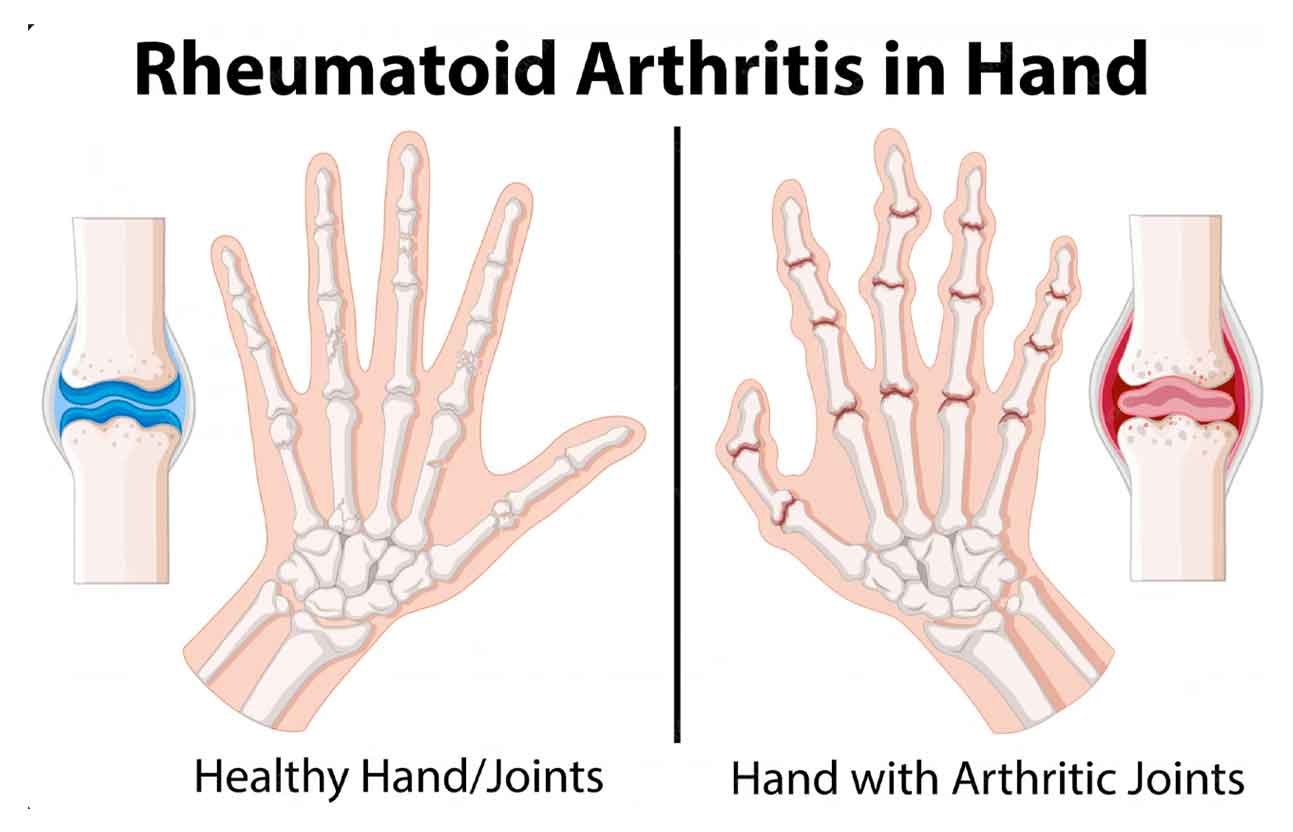
Rheumatoid arthritis is a chronic autoimmune condition that can affect much more than the joints. Persistent joint pain, swelling, stiffness, fatigue, reduced mobility and difficulty performing everyday activities can significantly affect a person's quality of life. Because rheumatoid arthritis can progress over time and cause permanent joint damage, early diagnosis and appropriate medical management are extremely important.
Alongside conventional medical treatment, some patients explore Ayurveda as a complementary approach to managing symptoms, improving mobility, supporting lifestyle changes and enhancing overall wellbeing. Kerala is particularly well known for its traditional Ayurvedic healthcare system and has a long history of providing structured Ayurvedic therapies, including Panchakarma and individualized herbal treatment.
Ayurvedic treatment for rheumatoid arthritis in Kerala generally focuses on an individualized assessment of the patient rather than using one standard treatment for everyone. Depending on the person's condition, an Ayurvedic physician may combine internal medicines, external therapies, Panchakarma procedures, dietary modifications, gentle physical activity, yoga and lifestyle measures.
However, it is important to understand that rheumatoid arthritis is an autoimmune disease requiring proper medical diagnosis and monitoring. Ayurveda should not be considered a guaranteed cure or used to discontinue prescribed rheumatoid arthritis medicines without medical supervision.
What Is Rheumatoid Arthritis?
Rheumatoid arthritis (RA) is an autoimmune inflammatory disease in which the immune system mistakenly attacks tissues in and around the joints. Unlike ordinary mechanical joint pain, rheumatoid arthritis involves systemic inflammation and can affect multiple joints, commonly including the hands, wrists, feet, knees and other areas.
Symptoms can include persistent joint pain, swelling, warmth, morning stiffness and reduced range of movement. Some patients may also experience fatigue, weakness, loss of appetite and a general feeling of illness. In more advanced disease, prolonged inflammation can contribute to joint damage and functional limitations.
Because rheumatoid arthritis can affect different people in different ways, treatment needs to be individualized. A rheumatologist may use clinical examination, blood tests such as inflammatory markers and rheumatoid factor or anti-CCP antibodies, and imaging studies when appropriate to establish and monitor the diagnosis.
Rheumatoid Arthritis in Ayurveda: Understanding Amavata
In Ayurveda, rheumatoid arthritis is commonly discussed in relation to a condition known as Amavata. The Ayurvedic understanding of Amavata is based on concepts such as impaired digestion, accumulation of Ama and disturbance of Doshas, particularly Vata.
From an Ayurvedic perspective, Ama is traditionally described as incompletely processed or undigested material associated with impaired digestive function. When combined with an aggravated Vata Dosha, it is believed to contribute to symptoms involving the joints, including pain, stiffness, swelling and restricted movement.
This Ayurvedic interpretation is different from the biomedical explanation of rheumatoid arthritis as an autoimmune inflammatory disease. Therefore, the term Amavata should not automatically be considered identical to a modern medical diagnosis of RA. Proper medical diagnosis remains essential before treatment begins.
How Does Ayurveda Approach Rheumatoid Arthritis?
The Ayurvedic approach to rheumatoid arthritis is generally individualized and may involve several components rather than one single therapy. The objective is often to support digestion, address the patient's Dosha pattern, reduce discomfort and stiffness, improve mobility, and support overall physical wellbeing.
Ayurvedic practitioners may consider the patient's symptoms, digestive function, lifestyle, constitution, disease stage, strength and previous treatment history when developing a plan. Depending on the assessment, treatment may include internal herbal preparations, external oil therapies, Panchakarma procedures, dietary changes, yoga and other supportive practices.
Some Ayurvedic centres in Kerala describe treatment protocols involving therapies such as Virechana, Vasti, Abhyanga, herbal preparations and dietary modifications.
The exact treatment should always be determined by a qualified Ayurvedic physician rather than selected independently by the patient.
Ayurvedic Treatment for Rheumatoid Arthritis in Kerala
Kerala has a long-established Ayurvedic healthcare tradition, and several specialized centres provide structured treatment programmes for chronic musculoskeletal and inflammatory conditions. Rheumatoid arthritis treatment in Kerala may involve a combination of classical Ayurvedic therapies, physician-supervised medicines, dietary management and rehabilitation-oriented care.
The treatment approach can differ depending on whether the patient has recently developed symptoms, has long-standing disease, experiences frequent inflammatory flare-ups, or has already developed significant joint damage. A patient with active inflammation may require a different approach from someone whose main concerns are stiffness, reduced mobility and chronic discomfort.
For patients travelling to Kerala for Ayurveda, the quality of the treatment centre and the qualifications of the physician are important considerations. Patients should also disclose their complete medical history and current medicines before beginning any Ayurvedic programme.
Panchakarma for Rheumatoid Arthritis
Panchakarma is one of the most widely discussed Ayurvedic therapeutic systems for chronic conditions. It consists of a group of classical procedures that are selected and administered according to an individual's condition rather than being applied identically to every patient.
In Panchakarma for rheumatoid arthritis, an Ayurvedic physician may consider procedures such as Virechana and Vasti in appropriate patients. Some treatment centres also use preparatory therapies involving oil application and therapeutic sweating before selected Panchakarma procedures. Published Ayurvedic literature describes the use of Vasti and Virechana among individualized treatment approaches for patients with RA.
However, Panchakarma is not appropriate for everyone with rheumatoid arthritis. The patient's age, strength, disease activity, medications, general health and other medical conditions should be assessed before deciding whether such procedures are suitable.
Virechana in Ayurvedic Management of Rheumatoid Arthritis
Virechana is a classical Ayurvedic therapeutic purgation procedure. In Ayurvedic practice, it may be considered when the physician believes that therapeutic elimination is appropriate for the patient's Dosha imbalance and clinical condition.
Some Ayurvedic clinical reports have investigated Virechana-based protocols in rheumatoid arthritis. For example, a case report from a Government Ayurveda College in Kerala described a treatment protocol involving preparatory therapy followed by Virechana and reported improvements in certain laboratory and clinical parameters. However, a case report cannot establish that the treatment is effective for all patients.
Therefore, Virechana should only be undertaken under the supervision of a qualified Ayurvedic physician in an appropriate clinical setting.
Vasti Therapy for Rheumatoid Arthritis
Vasti, commonly described as a medicated enema therapy within Panchakarma, is another procedure used in some Ayurvedic approaches to musculoskeletal and inflammatory conditions.
Ayurvedic practitioners may consider different forms of Vasti depending on the patient's condition and treatment objectives. It is traditionally associated particularly with the management of Vata-related disorders.
Some clinical descriptions of Ayurvedic management of rheumatoid arthritis have included Vasti along with internal herbal medicines, external therapies, dietary modifications and lifestyle changes.
Because Vasti involves an invasive route of administration, it should never be attempted as a home treatment. Proper assessment, hygiene, appropriate formulation and medical supervision are essential.
Ayurvedic Herbal Medicines for Rheumatoid Arthritis
Herbal medicines form an important part of many Ayurvedic treatment programmes for rheumatoid arthritis. Depending on the physician's assessment, different herbs and classical formulations may be considered to support digestion, manage inflammation-related symptoms, and address the Ayurvedic Dosha pattern.
Herbs frequently discussed in Ayurvedic approaches to joint and inflammatory conditions include turmeric, ginger, Boswellia and other traditional medicinal plants. However, the presence of a herb in Ayurvedic literature does not automatically establish that it is effective or safe for every person with rheumatoid arthritis.
The dose, formulation, duration and suitability can vary considerably. Some herbal products can also interact with prescription medicines or may carry risks related to contamination or inappropriate manufacturing. For this reason, patients should avoid self-prescribing concentrated Ayurvedic medicines and should use products from reliable sources under qualified professional supervision.
Ayurvedic Oil Therapies for Joint Pain and Stiffness
External oil therapies are commonly incorporated into Ayurvedic treatment programmes for musculoskeletal complaints. Abhyanga, for example, involves the application and massage of medicated oils and may be used as part of a broader treatment programme.
For patients with rheumatoid arthritis, gentle external therapies may be considered with the aim of supporting comfort, relaxation and mobility. Some centres in Kerala also incorporate therapies such as Pinda Sweda and other localized oil or heat-based treatments depending on the patient's condition.
However, the timing and type of massage should be determined according to disease activity. During an acute inflammatory flare with significant swelling and heat, vigorous massage or heating procedures may not be appropriate.
Diet and Ayurveda for Rheumatoid Arthritis
Diet is an important component of many Ayurvedic approaches to rheumatoid arthritis. Instead of prescribing one universal diet, Ayurvedic physicians may adapt dietary recommendations according to the individual's digestion, constitution, symptoms and treatment stage.
A balanced diet emphasizing minimally processed foods, adequate protein, vegetables, whole grains and appropriate healthy fats can support general health. Patients may also be advised to avoid foods that they personally identify as worsening symptoms, although such recommendations should be individualized.
Ayurvedic dietary guidance should complement, rather than replace, evidence-based nutritional advice. Patients with diabetes, kidney disease, cardiovascular conditions or other medical problems may have additional dietary requirements that should be considered by their healthcare team.
Yoga and Gentle Exercise for Rheumatoid Arthritis
Regular movement is an important part of managing chronic joint disease. When appropriately adapted, gentle exercise can help maintain flexibility, muscle strength and physical function.
Yoga may be incorporated into an Ayurvedic rheumatoid arthritis programme as a supportive practice. Breathing exercises, gentle stretching and carefully selected postures may help patients maintain mobility and manage stress.
Exercise should be adjusted according to disease activity and physical ability. Patients experiencing severe inflammation, significant joint instability or acute pain should obtain professional guidance before starting a new exercise programme.
The objective is not intense physical training but maintaining safe and sustainable movement.
Can Ayurveda Cure Rheumatoid Arthritis Permanently?
This is one of the most important questions patients ask when researching Ayurveda for rheumatoid arthritis.
At present, there is not sufficient high-quality clinical evidence to claim that Ayurvedic treatment permanently cures rheumatoid arthritis. A systematic review published in 2005 found insufficient convincing evidence from randomized controlled trials, while a more recent systematic review published in 2026 identified multiple clinical studies but highlighted substantial methodological limitations, heterogeneity and inadequate safety reporting.
Some individual studies and case reports have reported improvements in symptoms and disease-related measures, but these findings should be interpreted cautiously. Ayurveda may have a role as a complementary approach for symptom management and overall wellbeing, but patients should not assume that it can eliminate the autoimmune disease.
The most responsible approach is to discuss Ayurvedic treatment with both the Ayurvedic physician and the rheumatologist managing the patient's rheumatoid arthritis.
Can Ayurvedic Treatment Be Combined With Modern Rheumatoid Arthritis Treatment?
An integrative approach may be appropriate for some patients, provided that it is medically supervised.
Modern rheumatoid arthritis treatment can include disease-modifying antirheumatic drugs (DMARDs), biologic medicines and other therapies designed to control inflammation and prevent joint damage. These treatments should not be stopped simply because a patient begins Ayurveda.
A small randomized pilot study comparing an individualized Ayurvedic intervention, methotrexate and their combination found no statistically significant differences between the groups on its efficacy measures, but the study was limited in size and duration and should not be interpreted as proof that Ayurveda is equivalent to standard rheumatoid arthritis treatment.
Patients considering an integrative programme should provide both healthcare teams with a complete list of medicines, supplements and therapies they are using.
What Does the Clinical Evidence Say About Ayurveda for Rheumatoid Arthritis?
The scientific evidence surrounding Ayurveda and rheumatoid arthritis is evolving, but it remains insufficient to make strong conclusions about effectiveness.
A 2026 systematic review examined 21 studies, including 15 randomized and six non-randomized trials. The researchers reported considerable methodological limitations, including high risk of bias, inadequate descriptions of randomization and blinding, lack of placebo comparisons, heterogeneity between studies and underreporting of adverse events. The authors concluded that better-designed clinical trials with standardized outcomes and safety monitoring are needed.
This evidence-aware approach is important for patients. Ayurvedic therapies may offer supportive benefits for some people, but claims of guaranteed cure or permanent reversal of rheumatoid arthritis are not currently supported by robust clinical evidence.
Who May Consider Ayurvedic Treatment for Rheumatoid Arthritis?
Ayurvedic care may be considered by patients who are interested in complementary approaches to managing chronic joint symptoms, improving mobility, supporting healthy lifestyle habits or incorporating traditional therapies into a broader treatment plan.
Patients who have stable disease and want additional support for wellbeing may discuss Ayurveda with their medical team. Similarly, patients interested in Ayurveda as part of rehabilitation or supportive care may benefit from a structured programme designed by qualified practitioners.
Patients with newly diagnosed or actively progressing rheumatoid arthritis should prioritize appropriate medical assessment and disease control. Ayurveda should not delay diagnosis or evidence-based treatment.
Who Should Be Careful With Panchakarma and Ayurvedic Medicines?
Not every patient is suitable for intensive Ayurvedic procedures. People with significant cardiovascular disease, severe weakness, acute infections, uncontrolled medical conditions, pregnancy, certain gastrointestinal problems, or other specific health concerns may require special consideration.
Patients taking multiple prescription medicines should also disclose their medications before beginning herbal treatment because potential interactions may occur.
The safest approach is to undergo a complete medical assessment before starting Panchakarma or concentrated herbal formulations. A qualified Ayurvedic physician should determine whether treatment is appropriate and coordinate with the patient's other healthcare providers when necessary.
How Long Does Ayurvedic Treatment for Rheumatoid Arthritis Take?
There is no universal treatment duration for rheumatoid arthritis. The length of an Ayurvedic programme depends on the patient's disease duration, symptoms, general health, treatment goals and selected therapies.
Some Kerala Ayurvedic centres offer structured inpatient programmes lasting several weeks, while other patients may receive outpatient care combined with medicines, diet and lifestyle recommendations. Treatment duration should therefore be determined after individual assessment rather than selected solely according to a fixed package.
Long-term rheumatoid arthritis management also requires continued monitoring after an intensive treatment programme has ended.
Why Consider Kerala for Ayurvedic Rheumatoid Arthritis Treatment?
Kerala is internationally recognized for its Ayurvedic healthcare tradition and has a large ecosystem of Ayurvedic hospitals, treatment centres and trained practitioners.
Patients seeking Ayurvedic treatment for rheumatoid arthritis in Kerala can explore programmes that combine classical Ayurvedic therapies with personalized dietary guidance, yoga, rehabilitation and lifestyle management.
Kerala's established healthcare infrastructure can also be advantageous for patients who require access to modern medical specialists alongside Ayurvedic care. For complex autoimmune conditions such as rheumatoid arthritis, the ability to seek appropriate medical evaluation while exploring complementary therapies can be an important consideration.
Ayurvedic Rheumatoid Arthritis Treatment in Kerala Through Medinglo
For patients travelling to Kerala for treatment, selecting the appropriate Ayurvedic centre can be challenging. Different centres may specialize in different therapies, have different treatment approaches, and offer different levels of medical supervision.
Medinglo helps patients explore suitable healthcare options in India based on their medical requirements. The process can include collecting medical information, coordinating consultations, identifying appropriate hospitals or Ayurvedic centres, helping with treatment planning, and supporting travel and accommodation arrangements.
The objective is to help patients make an informed decision rather than simply directing them toward a standard treatment package.
Why Choose Medinglo for Ayurvedic Treatment in Kerala?
Medinglo brings extensive experience in healthcare and medical travel coordination, helping patients navigate India's healthcare system with greater clarity.
For patients considering rheumatoid arthritis Ayurveda treatment in Kerala, Medinglo can assist with identifying appropriate Ayurvedic healthcare providers, arranging consultations and coordinating the practical aspects of the treatment journey.
Patients can also receive support with travel planning, accommodation, local transportation and communication during their stay. Where required, Arabic-speaking assistance can help patients from the Gulf region communicate more comfortably throughout the coordination process.
Medical decisions remain with qualified healthcare professionals, while Medinglo focuses on helping organize the patient's overall treatment journey.
What Should You Ask Before Choosing an Ayurvedic Centre in Kerala?
Before starting treatment, patients should ask about the qualifications of the Ayurvedic physician, the centre's experience with rheumatoid arthritis, the proposed treatment approach, the expected duration, the therapies being recommended, the medicines being prescribed and the estimated cost.
Patients should also ask whether medical monitoring is available and what happens if symptoms worsen during treatment. If the patient is already receiving care from a rheumatologist, the Ayurvedic centre should be informed about the diagnosis and current medicines.
A responsible treatment provider should be willing to explain both the potential benefits and limitations of the proposed approach rather than promising a guaranteed cure.
A Balanced Approach to Rheumatoid Arthritis Care
Rheumatoid arthritis is a complex chronic condition, and managing it successfully requires more than addressing pain temporarily. Protecting joint function, controlling inflammation, maintaining mobility and monitoring overall health are important aspects of long-term care.
Ayurveda offers a traditional healthcare framework that may include individualized herbal medicines, dietary changes, external therapies, Panchakarma, yoga and lifestyle management. Some clinical studies have reported improvements in symptoms, but the current evidence base remains limited and requires stronger research.
For this reason, patients should approach Ayurvedic treatment as a potentially complementary part of their healthcare journey rather than assuming it can replace modern rheumatoid arthritis treatment.
Start Your Ayurvedic Treatment Journey in Kerala
If you are considering Ayurvedic treatment for rheumatoid arthritis in Kerala, Medinglo can help you explore suitable Ayurvedic healthcare providers and coordinate the practical aspects of your treatment journey.
From the initial enquiry and medical record collection to consultation, treatment coordination, accommodation and travel support, the goal is to make the process more organized and easier for patients and their families.
Explore Ayurvedic care in Kerala with the right information, appropriate medical guidance and a treatment plan designed around your individual needs.
Frequently Asked Questions
Can Ayurveda treat rheumatoid arthritis?
Ayurveda may be used as a complementary approach to managing symptoms such as pain, stiffness and reduced mobility, but there is currently insufficient high-quality evidence to claim that Ayurveda permanently cures rheumatoid arthritis. Patients should continue appropriate medical evaluation and treatment while discussing any Ayurvedic therapies with their healthcare providers.
What is the Ayurvedic treatment for rheumatoid arthritis in Kerala?
Ayurvedic treatment may include individualized herbal medicines, dietary changes, external oil therapies, Panchakarma procedures, yoga and lifestyle modifications. The exact programme depends on the patient's condition and should be determined by a qualified Ayurvedic physician.
What is Amavata in Ayurveda?
Amavata is an Ayurvedic disease concept that is commonly compared with rheumatoid arthritis because of similarities in symptoms such as joint pain, stiffness and swelling. However, Amavata and rheumatoid arthritis are not medically identical diagnostic categories, so patients should obtain an appropriate modern medical diagnosis.
Is Panchakarma good for rheumatoid arthritis?
Panchakarma may be included in some Ayurvedic treatment programmes for rheumatoid arthritis. Procedures such as Virechana and Vasti are described in Ayurvedic clinical literature. However, Panchakarma is not appropriate for every patient and should only be undertaken after assessment by a qualified practitioner.
Which Ayurvedic medicines are used for rheumatoid arthritis?
Ayurvedic physicians may prescribe different herbal preparations depending on the patient's symptoms and Ayurvedic assessment. Herbs such as turmeric, ginger and Boswellia are commonly discussed in relation to inflammatory and joint conditions, but patients should not self-prescribe concentrated herbal medicines. The formulation and dosage should be determined by a qualified practitioner.
Can I take Ayurvedic medicines while using rheumatoid arthritis medicines?
It may be possible in some circumstances, but this should only be done with medical supervision. Herbal medicines can potentially interact with prescription medicines. Patients should give both their Ayurvedic physician and rheumatologist a complete list of all medicines and supplements they are taking.
How long does Ayurvedic treatment for rheumatoid arthritis take?
Treatment duration varies according to disease severity, symptoms, treatment goals and the therapies selected. Some patients may undergo a structured inpatient programme for several weeks, followed by continuing medicines and lifestyle measures. A physician should determine the appropriate duration after assessment.
Is Ayurvedic treatment safe for rheumatoid arthritis?
Safety depends on the specific treatment, medicine, dose, patient's health and quality of the treatment facility. Panchakarma procedures and concentrated herbal medicines should not be undertaken without professional supervision. Patients should also ensure that any Ayurvedic treatment provider knows about their existing medical conditions and prescription medicines.
Can Ayurveda and modern medicine be used together for rheumatoid arthritis?
An integrative approach may be considered for some patients when it is coordinated by qualified healthcare professionals. Patients should not stop disease-modifying medicines or other prescribed treatment without consulting their rheumatologist.
Why choose Kerala for Ayurvedic rheumatoid arthritis treatment?
Kerala has a long-standing Ayurvedic healthcare tradition and a broad network of Ayurvedic hospitals and treatment centres. Patients can explore personalized programmes involving traditional therapies, diet, yoga and rehabilitation while also having access to Kerala's wider modern healthcare infrastructure.
Medical Disclaimer: This article is intended for general educational and informational purposes only and does not constitute medical advice. Rheumatoid arthritis is a chronic autoimmune disease that can cause permanent joint damage if inadequately treated. Ayurvedic treatment should not be used to delay diagnosis, replace prescribed disease-modifying treatment, or discontinue medication without medical supervision. Always consult a qualified rheumatologist and Ayurvedic physician before starting, changing or combining treatments.