



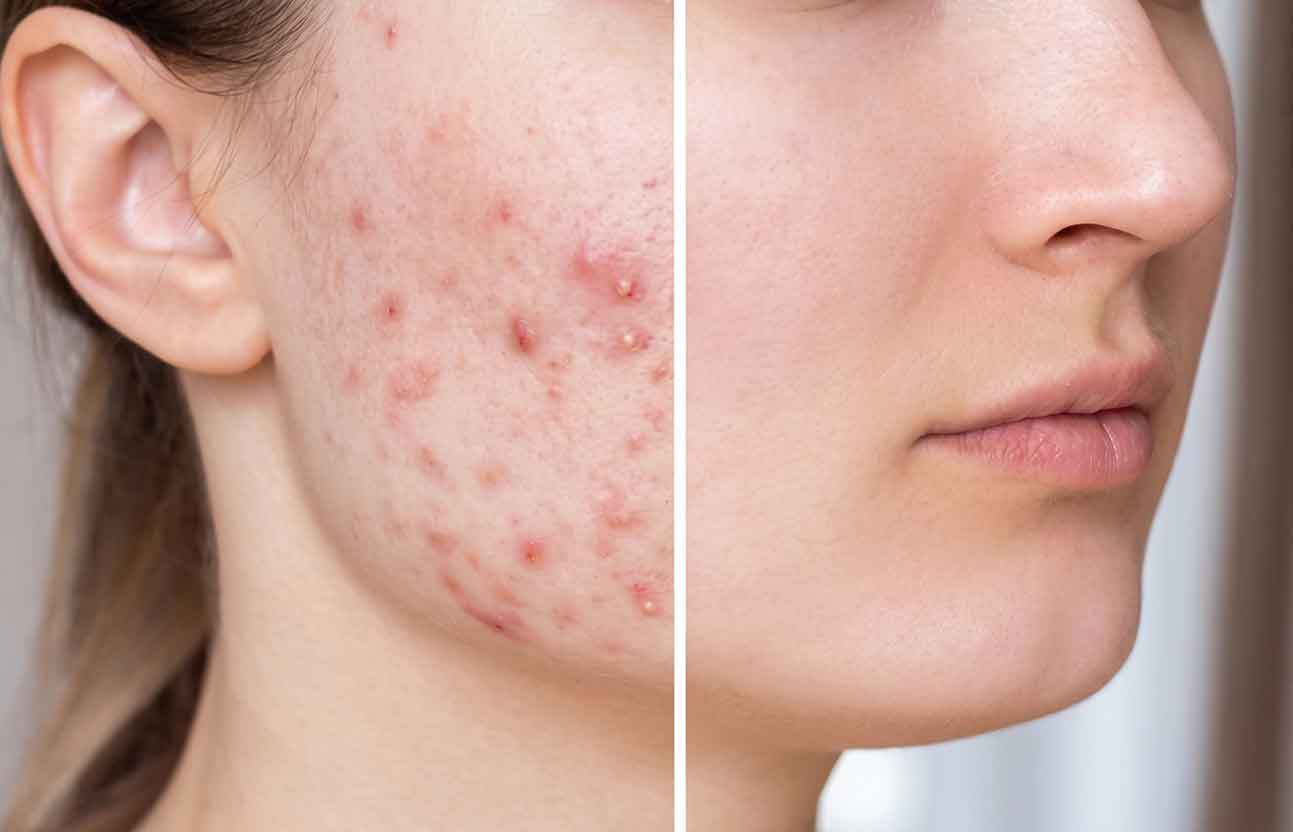
If you've tried cream after cream, antibiotic courses, and "miracle" face washes only to watch your acne return a few months later, you're not alone. Most conventional acne treatments target the symptom — the pimple — without addressing why it kept forming in the first place. This is exactly where acne treatment in Ayurveda offers a fundamentally different, and often more sustainable, path to clear skin.
In this guide, we'll break down what causes acne from an Ayurvedic perspective, the best Ayurvedic remedies and therapies available today, how they compare with modern dermatology, and how to choose the right treatment plan for your skin type.
What Is Acne, and Why Does It Keep Coming Back?
Acne (Acne Vulgaris) develops when hair follicles become clogged with excess sebum (oil), dead skin cells, and bacteria. This blockage leads to blackheads, whiteheads, papules, pustules, and in more severe cases, painful nodules or cysts.
Modern treatments — topical retinoids, antibiotics, and hormonal therapy — can suppress acne temporarily. However, many people experience recurring breakouts because the underlying triggers, such as hormonal imbalance, poor digestion, chronic stress, or inflammation, are never fully resolved.
This is the core philosophy behind Ayurvedic acne care: treat the root, not just the surface.
Acne in Ayurveda: Understanding "Yuvanpidika"
In classical Ayurvedic texts, acne is referred to as Yuvanpidika or Tarunyapitika — derived from Yuvan (youth) and Pidika (eruption) — reflecting how commonly it appears during adolescence and early adulthood due to hormonal shifts.
Ayurveda views acne as a visible sign of an internal imbalance involving:
- Pitta dosha – governs heat, metabolism, and inflammation. Excess Pitta causes redness, inflamed pustules, and breakouts.
- Kapha dosha – governs oiliness and lubrication. Excess Kapha leads to clogged pores and excess sebum production.
- Vata dosha – governs dryness and movement. An aggravated Vata can cause flaky, irritated skin that worsens acne.
- Ama (toxins) and impaired Agni (digestive fire) – undigested toxins accumulate in the blood (Rakta Dushti) and surface through the skin as breakouts.
Because the imbalance is internal, Ayurvedic treatment for acne typically combines herbal medicine, dietary correction, detoxification, and lifestyle changes rather than relying on topical treatment alone.
Ayurvedic Remedies for Acne: A Practical, Dosha-Based Guide
Not all acne looks — or behaves — the same way, and Ayurveda treats this as a key diagnostic clue rather than a minor detail. Before picking a remedy, it helps to recognize which dosha is driving your particular breakouts, since the most effective Ayurvedic acne care is matched to the pattern, not applied generically.
First, Identify Your Acne Pattern
- Pitta-type acne: Oily, inflamed skin with red, painful breakouts concentrated on the nose and cheeks. Typically worsened by stress, heat, and spicy or fermented foods.
- Kapha-type acne: Sluggish digestion leads to toxin buildup (Ama), showing up as oily skin, large whiteheads, and congestion across the forehead and upper cheeks. Aggravated by heavy, sweet, or dairy-rich foods and a sedentary routine.
- Vata-type acne: Dry, flaky skin with blackheads, often along the jawline and lower face. Worsened by irregular eating/sleeping patterns and excess cold or raw food.
Once you know your pattern, the remedies below can be applied far more effectively — most Ayurvedic acne protocols use a mix of topical applications, internal herbs, and dietary correction rather than any single fix.
Topical (Home-Applied) Remedies
- Neem paste or oil: Neem, sometimes called the "village pharmacy" in classical Ayurveda, is antibacterial and anti-inflammatory, making it useful for active, inflamed breakouts on any dosha type.
- Turmeric and aloe vera mask: Turmeric's antibacterial, anti-inflammatory compounds combined with soothing aloe vera gel help calm redness — especially helpful for Pitta-type acne.
- Sandalwood and rose water paste: A cooling combination traditionally used to calm inflamed, Pitta-aggravated skin.
- Medicated oils (e.g., Eladi or Nalpamaradi oil): Herb-infused coconut or sesame oils are gently massaged onto affected areas to reduce itching, inflammation, and discoloration over time — commonly used for Vata- and Kapha-type acne.
- Gram flour (besan) cleanser: A traditional gentle cleanser that lifts impurities without stripping the skin's natural oils, often preferred over harsh, drying face washes.
A patch test is always advisable before trying any new topical remedy, and overlapping too many home treatments at once can sometimes irritate the skin further.
Internal Remedies and Herbal Formulations
Because Ayurveda treats acne as a sign of internal imbalance, oral herbal support is often considered just as important as topical care:
- Aloe vera juice: Taken on an empty stomach, this is traditionally used to cool Pitta and support digestion from within.
- Turmeric in daily cooking: Regular dietary turmeric is used for its anti-inflammatory, blood-supporting properties.
- Manjistha and Khadira: Classic blood-purifying (Raktashodhana) herbs used for acne linked to impure blood, chronic inflammation, or recurring cystic breakouts.
- Guduchi and Neem-based herbal formulations: Often combined to pacify Pitta and Kapha together, particularly for inflamed, itchy, or non-healing skin lesions.
- Digestive (Agni-supporting) herbal teas: Warm teas with cumin, coriander, or fennel are used to support digestion, since poor Agni is considered a major root cause of toxin-driven acne.
Internal herbal formulations are more concentrated than home remedies and are best taken under the guidance of a qualified Ayurvedic physician, who can match the dosage and formulation to your dosha and skin condition.
A Balanced, Evidence-Aware View
It's worth noting that mainstream medical bodies, including Mayo Clinic, currently classify Ayurvedic compounds as an integrative or alternative approach to acne, alongside treatments like tea tree oil, and have noted that more research is needed to confirm their long-term effectiveness and safety. This doesn't make these remedies ineffective — many have genuine traditional and emerging scientific support — but it does mean Ayurvedic acne care is best pursued through a qualified practitioner and, where appropriate, alongside conventional dermatological guidance rather than as an unsupervised replacement for medical care.
Beyond Topical Remedies: Ayurvedic Therapies for Stubborn Acne
For moderate to severe or recurring acne, Ayurvedic physicians often recommend deeper internal therapies as part of Panchakarma (Ayurveda's classical detoxification protocol):
- Virechana (Therapeutic Purgation): Helps eliminate excess Pitta and toxins from the body, often producing significant improvement in inflammatory acne.
- Raktamokshana / Jaloukavacharana (Leech Therapy): Used in select cases of blood-related (Rakta Dushti) acne to reduce inflammation and purify blood.
- Shamanoushadhi (Internal Herbal Medicine): Customized herbal formulations prescribed based on the patient's dosha imbalance and acne severity.
These therapies are typically administered under the supervision of a qualified Ayurvedic physician (BAMS-qualified) after a personalized assessment — they are not recommended as unsupervised home treatments.
Ayurvedic Diet and Lifestyle Tips for Acne-Prone Skin
Since Ayurveda treats skin health as a reflection of internal balance, diet and daily routine matter as much as topical care:
- Favor a Pitta-pacifying diet: cooling foods like cucumber, watermelon, and leafy greens.
- Limit triggers: reduce spicy, oily, fried, and processed foods that aggravate Pitta and Kapha.
- Stay hydrated: water and herbal teas support natural detoxification.
- Prioritize sleep: 7–8 hours supports hormonal balance and skin repair.
- Manage stress: yoga, meditation, and Abhyanga (oil massage) help regulate Vata and reduce stress-induced breakouts.
- Follow a gentle skincare routine: herbal cleansers (neem, aloe vera), mild exfoliation, and non-comedogenic moisturizers like jojoba oil.
Consistency matters more than intensity — Ayurveda emphasizes gradual, sustainable improvement over "overnight fixes."
Ayurveda vs. Conventional Acne Treatment: Which Should You Choose?
| Aspect | Conventional Treatment | Ayurvedic Treatment |
|---|---|---|
| Approach | Symptom control | Root-cause correction |
| Speed | Often faster initial results | Gradual, longer-term results |
| Side effects | Possible dryness, irritation, antibiotic resistance | Generally gentler, fewer side effects when guided properly |
| Personalization | Often standardized | Based on individual dosha constitution |
| Best for | Acute flare-ups, severe cystic acne | Chronic, recurring, or hormonal acne |
In practice, many patients benefit from an integrative approach — using dermatology for acute control and Ayurveda for long-term prevention and skin health maintenance.
Why Patients Travel for Ayurvedic Acne Treatment
Authentic Panchakarma therapies, accurate dosha assessment, and herbal formulations prepared to classical standards require experienced, BAMS-qualified Ayurvedic physicians and well-equipped facilities. This is why a growing number of international patients choose medical tourism in India — the birthplace of Ayurveda — to access:
- Personalized consultations with experienced Ayurvedic dermatology specialists
- Authentic Panchakarma centers following traditional protocols
- Cost-effective treatment packages compared to Western wellness clinics
- Combined itineraries that pair treatment with recovery and travel
At Medinglo, we help patients connect with verified Ayurvedic hospitals and skin specialists in India, coordinate consultations, and plan the full treatment journey — from diagnosis to aftercare — so you can focus on your skin, not the logistics.
Frequently Asked Questions
Is Ayurvedic treatment for acne permanent?
Ayurveda focuses on long-term balance rather than a one-time cure. With consistent herbal treatment, diet, and lifestyle changes, many patients see lasting improvement and fewer recurring breakouts — though results vary by individual and acne severity.
How long does Ayurvedic acne treatment take to show results?
Mild cases may improve within a few weeks of consistent care, while chronic or hormonal acne may take a few months, since Ayurveda corrects internal imbalances rather than only suppressing symptoms.
Can Ayurvedic and modern dermatology treatments be combined?
Yes, many patients combine both under medical supervision. It's important to inform both your dermatologist and Ayurvedic physician about all treatments you're using to avoid interactions.
Is Ayurvedic acne treatment safe for sensitive skin?
Most classical herbal remedies are gentle, but a patch test and professional consultation are recommended before starting any new treatment, especially for sensitive or reactive skin.
Ready to Start Your Acne-Free Journey?
Clear, healthy skin starts with treating the cause — not just the breakout. If you're considering Ayurvedic acne treatment in India, Medinglo can connect you with trusted Ayurvedic hospitals, help you plan your consultation, and guide you through every step of your treatment journey.
[Talk to Medinglo's care team today and explore personalized Ayurvedic acne treatment options →]
Disclaimer: This article is for informational purposes only and is not a substitute for professional medical advice. Please consult a qualified physician or Ayurvedic practitioner before starting any new treatment.