



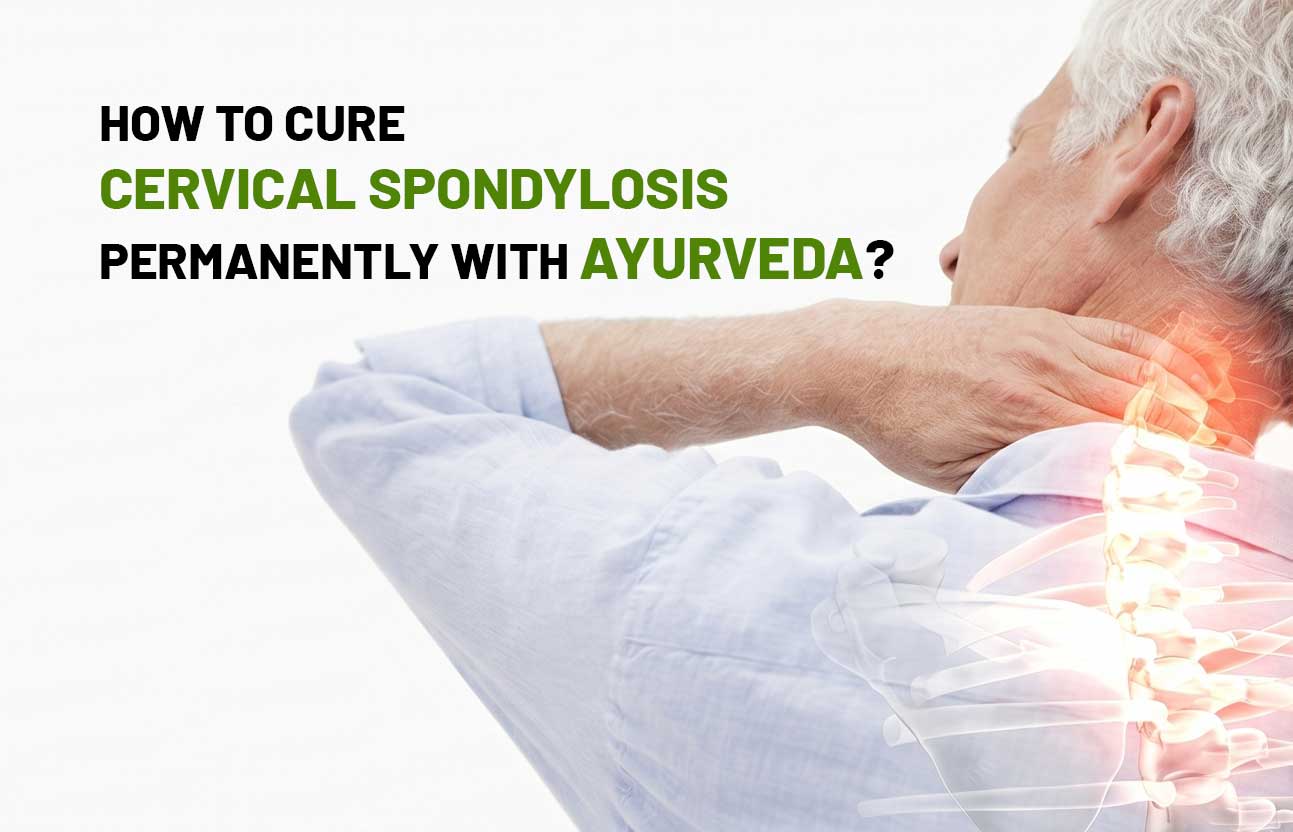
Why More People Are Turning to Ayurveda for Chronic Neck Pain
If you've ever experienced persistent neck stiffness after a long day at work, frequent headaches that start at the base of your neck, or tingling sensations traveling down your arms, you're not alone. Millions of people worldwide suffer from cervical spondylosis, a condition that has become increasingly common due to modern lifestyles dominated by computers, smartphones, and prolonged sitting.
While painkillers and physiotherapy can provide temporary relief, many people are now looking for natural, long-term solutions that address the root cause of their discomfort rather than simply masking symptoms. This growing interest has brought attention to Ayurveda, India's ancient system of holistic healing.
But can Ayurveda really help with cervical spondylosis? Let's explore.
Understanding Cervical Spondylosis: More Than Just Neck Pain
Cervical spondylosis is often described as age-related wear and tear affecting the cervical spine—the seven vertebrae located in the neck. However, aging is not the only factor.
Poor posture, excessive screen time, stress, lack of physical activity, and repetitive neck movements can all accelerate degeneration of the cervical discs and joints.
Common symptoms include:
- Persistent neck pain
- Stiffness and reduced flexibility
- Headaches originating from the neck
- Shoulder discomfort
- Tingling or numbness in the hands
- Muscle weakness
- Dizziness in some cases
Many people initially ignore these symptoms, assuming they are caused by fatigue or poor sleep. Over time, however, the condition can significantly affect daily activities and overall quality of life.
Why Conventional Treatments Don't Always Solve the Problem
Modern medicine offers several treatment options for cervical spondylosis, including pain medications, muscle relaxants, physical therapy, steroid injections, and surgery for severe cases.
These approaches can be highly effective, especially when symptoms are severe. However, many patients find themselves caught in a cycle of temporary relief followed by recurring pain.
This is where Ayurveda offers a different perspective.
Instead of focusing solely on the painful area, Ayurveda views the body as an interconnected system. The goal is to identify underlying imbalances that may be contributing to chronic inflammation, muscular tension, and spinal degeneration.
The Ayurvedic View of Cervical Spondylosis
According to Ayurveda, many musculoskeletal disorders are linked to an imbalance in Vata Dosha, the biological energy associated with movement, nerve function, and joint health.
When Vata becomes aggravated, it may lead to:
- Joint degeneration
- Dryness of tissues
- Muscle stiffness
- Nerve irritation
- Reduced mobility
- Chronic pain
Ayurvedic treatment focuses on restoring balance, nourishing affected tissues, improving circulation, and supporting the body's natural healing mechanisms.
Can Ayurveda Cure Cervical Spondylosis?
This is one of the most commonly asked questions.
The answer depends on what we mean by "cure."
If significant structural degeneration has already occurred in the cervical spine, no medical system can completely reverse those anatomical changes. However, Ayurveda may help manage symptoms effectively, reduce pain, improve flexibility, enhance mobility, and slow the progression of degeneration.
Many patients report noticeable improvements in:
- Neck mobility
- Pain levels
- Muscle tension
- Sleep quality
- Daily comfort
- Overall wellbeing
The emphasis is not simply on symptom suppression but on long-term functional improvement.
Ayurvedic Therapies That Support Neck Health
One of the reasons Ayurveda attracts patients from around the world is its personalized approach. Treatment plans are customized according to the individual's body constitution, symptoms, lifestyle, and overall health status.
Some commonly recommended therapies include:
Greeva Basti
A specialized therapy where warm medicated oils are retained over the neck region for a specific period. This treatment is widely used to help relieve stiffness, nourish tissues, and improve circulation around the cervical spine.
Abhyanga
A therapeutic herbal oil massage that helps relax muscles, improve blood flow, and reduce stress-related tension.
Kizhi Therapy
Warm herbal poultices are applied to affected areas to support muscle relaxation and ease discomfort.
Nasya
An Ayurvedic therapy involving herbal oils administered through the nasal passages, traditionally used for conditions affecting the head, neck, and nervous system.
Panchakarma: A Deeper Approach to Healing
For individuals seeking a comprehensive wellness experience, Panchakarma is often recommended.
Panchakarma is Ayurveda's signature detoxification and rejuvenation program designed to eliminate accumulated toxins and restore internal balance.
For cervical spondylosis, Panchakarma may include:
- Medicated oil therapies
- Herbal steam treatments
- Detoxification procedures
- Nervous system support therapies
- Rejuvenation treatments
The goal is to create an internal environment that supports healing while reducing factors that contribute to chronic inflammation and pain.
The Role of Lifestyle in Recovery
One of Ayurveda's greatest strengths is its focus on sustainable lifestyle changes.
Treatment does not end when therapy sessions are over.
Patients are often encouraged to:
- Improve posture habits
- Practice gentle stretching
- Incorporate yoga into daily routines
- Reduce prolonged screen exposure
- Follow anti-inflammatory dietary recommendations
- Improve sleep quality
- Manage stress effectively
These adjustments can have a profound impact on long-term spinal health.
Why Kerala Has Become a Global Destination for Ayurvedic Spine Care
Kerala is often regarded as the heartland of authentic Ayurveda. The region combines centuries-old healing traditions with modern wellness infrastructure.
Patients from GCC countries, Europe, and other international destinations travel to Kerala seeking:
- Authentic Panchakarma programs
- Experienced Ayurvedic physicians
- Personalized wellness plans
- Natural pain management solutions
- Holistic rehabilitation programs
Many wellness centers offer immersive treatment experiences in serene natural settings that further support healing and recovery.
A Holistic Path Toward Better Neck Health
Living with cervical spondylosis can be frustrating, especially when symptoms keep returning despite repeated treatments. While Ayurveda may not promise a miracle cure, it offers a comprehensive approach that focuses on long-term wellbeing rather than temporary symptom relief.
By combining therapeutic treatments, herbal support, detoxification programs, lifestyle modifications, and personalized care, Ayurveda provides an alternative pathway for individuals seeking a more natural approach to managing chronic neck pain and cervical spine degeneration.
For many patients, the journey is not simply about reducing pain—it's about regaining comfort, mobility, and a better quality of life.
Frequently Asked Questions
Is Ayurvedic treatment safe for cervical spondylosis?
When provided by qualified Ayurvedic practitioners, treatments are generally considered safe and are customized according to the patient's condition and health status.
How long does it take to see results?
Many patients begin noticing improvements within a few weeks, although outcomes vary depending on the severity of the condition and adherence to treatment recommendations.
Can Panchakarma help with chronic neck pain?
Panchakarma is often recommended as part of a comprehensive wellness program for individuals experiencing chronic musculoskeletal discomfort, including neck pain related to cervical spondylosis.
Is Kerala a good destination for Ayurvedic treatment?
Yes. Kerala is internationally recognized for authentic Ayurvedic therapies, experienced practitioners, and specialized wellness programs.
Can Ayurveda replace surgery?
In advanced cases involving severe nerve compression or structural abnormalities, surgery may still be necessary. Ayurveda may serve as a complementary approach or help manage symptoms in appropriate cases.