



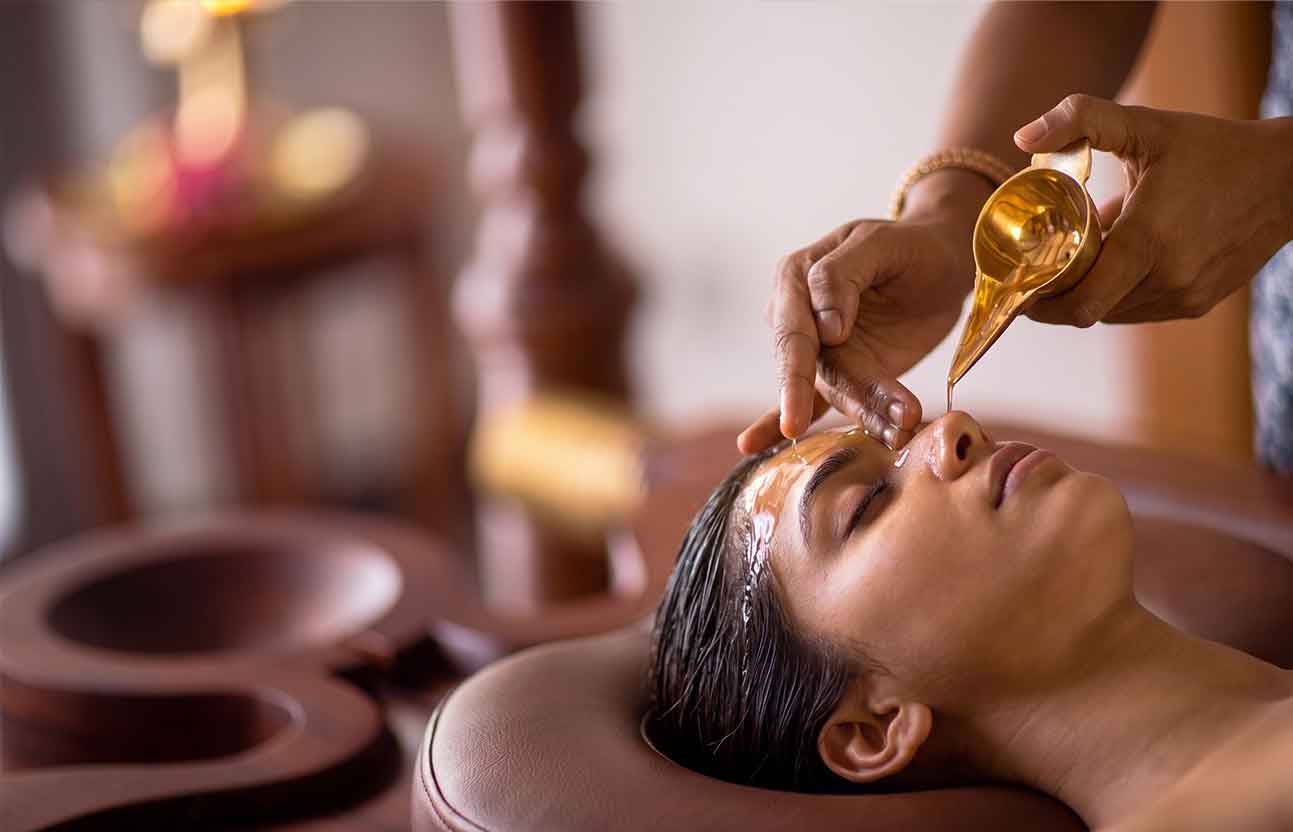
Chronic pain affects millions of people worldwide and is one of the leading causes of reduced mobility, poor quality of life, sleep disturbances, and emotional stress. Whether it manifests as persistent back pain, arthritis, neck stiffness, fibromyalgia, or recurring migraines, chronic pain can significantly impact daily activities and overall well-being.
While conventional medicine often focuses on symptom management through painkillers, anti-inflammatory medications, injections, or surgery, many individuals are increasingly exploring complementary therapies that address the root causes of pain rather than simply masking symptoms.
One such approach is Panchakarma, the cornerstone detoxification and rejuvenation therapy of Ayurveda. For centuries, Panchakarma has been used to manage musculoskeletal disorders, chronic inflammatory conditions, and neurological complaints by restoring balance within the body.
But can Panchakarma really help chronic pain? Let's explore what Ayurveda says, the conditions it may help manage, the therapies involved, and what current clinical evidence suggests.
Understanding Chronic Pain Through the Lens of Ayurveda
Ayurveda views health as a state of balance between the body's biological energies, known as Doshas—Vata, Pitta, and Kapha. Chronic pain is most commonly associated with an aggravated Vata Dosha, which governs movement, nerve impulses, circulation, and musculoskeletal function.
When Vata becomes imbalanced due to aging, poor diet, stress, injury, lack of sleep, or unhealthy lifestyle habits, it can lead to symptoms such as pain, stiffness, dryness, numbness, restricted movement, and degeneration of joints and tissues.
Another important concept in Ayurveda is Ama, often described as toxic metabolic waste that accumulates within the body due to poor digestion and impaired metabolism. According to Ayurvedic theory, Ama may block bodily channels, contribute to inflammation, and worsen chronic pain conditions.
Panchakarma aims to remove these accumulated toxins, improve circulation, restore balance to the Doshas, and support the body's natural healing mechanisms.
Why Conventional Pain Management Often Falls Short
Pain medications play an important role in relieving symptoms, especially during acute flare-ups. However, long-term dependence on painkillers may not always address the underlying factors contributing to chronic pain.
Many chronic pain conditions involve a combination of inflammation, poor circulation, muscular tension, joint degeneration, stress, and lifestyle-related factors. This is why patients often continue to experience recurring symptoms despite temporary relief from medications.
Panchakarma takes a broader and more holistic approach by focusing on detoxification, tissue nourishment, nervous system regulation, improved mobility, and long-term wellness.
Chronic Pain Conditions That May Benefit from Panchakarma
Low Back Pain
Chronic low back pain is one of the most common musculoskeletal disorders worldwide. It may result from prolonged sitting, poor posture, degenerative disc disease, lumbar spondylosis, muscle strain, or nerve compression.
In Ayurveda, low back pain is often associated with aggravated Vata affecting the lumbar spine and surrounding tissues. Panchakarma therapies aim to improve blood circulation, relax tight muscles, reduce stiffness, nourish spinal structures, and restore flexibility.
Many patients undergoing Panchakarma for chronic back pain report improvements in mobility, reduction in discomfort, and enhanced quality of life. Treatment plans are often customized based on the underlying cause and severity of symptoms.
Cervical Spondylosis and Neck Pain
Modern lifestyles have contributed significantly to the rise in neck-related disorders. Long hours at computers, mobile phone usage, poor posture, and repetitive movements place excessive strain on the cervical spine.
Cervical spondylosis often causes neck pain, stiffness, shoulder discomfort, headaches, tingling sensations, and reduced range of motion.
Ayurvedic treatment focuses on improving circulation to the cervical region, reducing muscular tension, calming aggravated Vata, and supporting spinal health. Panchakarma procedures specifically designed for the neck region may help reduce symptoms and improve mobility when integrated into a comprehensive treatment program.
Osteoarthritis
Osteoarthritis is a degenerative joint disease characterized by gradual cartilage breakdown and reduced joint cushioning. It commonly affects the knees, hips, spine, and hands.
As cartilage deteriorates, patients may experience chronic pain, stiffness, swelling, and limitations in movement. Conventional treatment often focuses on symptom control, whereas Panchakarma seeks to support joint health through detoxification, lubrication, improved circulation, and tissue nourishment.
Many Ayurvedic pain management programs for osteoarthritis also incorporate dietary guidance, herbal therapies, and lifestyle modifications aimed at slowing progression and improving daily function.
Rheumatoid Arthritis
Rheumatoid arthritis is an autoimmune condition that causes persistent inflammation of the joints. Symptoms often include swelling, pain, morning stiffness, fatigue, and progressive joint damage.
According to Ayurveda, rheumatoid arthritis resembles a condition known as Amavata, which is believed to result from the accumulation of Ama combined with Vata imbalance.
Panchakarma therapies are often designed to help eliminate toxins, reduce inflammation, improve circulation, and enhance joint mobility. While it is not considered a replacement for medical treatment, many patients use Ayurvedic therapies alongside conventional care as part of an integrative approach.
Fibromyalgia
Fibromyalgia is a complex chronic pain syndrome affecting muscles, connective tissues, sleep quality, energy levels, and cognitive function.
Patients frequently experience widespread body pain, fatigue, sleep disturbances, sensitivity to touch, and mental fog.
Because fibromyalgia affects multiple systems simultaneously, Ayurvedic treatment focuses on restoring overall balance rather than targeting a single symptom. Panchakarma programs may include detoxification therapies, nervous system support, stress reduction techniques, herbal treatments, and rejuvenation therapies designed to improve both physical and emotional well-being.
Chronic Headaches and Migraines
Recurring headaches and migraines can have a profound impact on work performance, relationships, and quality of life.
Triggers may include stress, hormonal fluctuations, poor sleep, digestive disturbances, environmental factors, and musculoskeletal tension.
Ayurvedic physicians often view migraines as involving imbalances affecting both the nervous system and digestive function. Panchakarma therapies may be used to help improve circulation, calm the nervous system, reduce triggers, and support overall neurological health.
Which Panchakarma Procedures Are Used for Chronic Pain?
Abhyanga (Medicated Herbal Oil Therapy)
Abhyanga is a therapeutic full-body massage performed using warm herbal oils selected according to the individual's condition and Ayurvedic constitution.
The therapy is designed to improve circulation, nourish tissues, calm the nervous system, reduce muscular tension, and prepare the body for deeper detoxification procedures.
Regular Abhyanga may contribute to improved flexibility, better sleep quality, reduced stress, and enhanced overall well-being.
Swedana (Herbal Steam Therapy)
Swedana involves exposing the body to therapeutic herbal steam after oil application.
The heat helps open bodily channels, encourage sweating, improve circulation, reduce stiffness, and support the elimination of toxins.
For individuals suffering from arthritis, muscle stiffness, back pain, and joint disorders, Swedana is often an important component of Panchakarma treatment programs.
Basti (Medicated Enema Therapy)
Basti is considered one of Ayurveda's most important therapies for managing Vata-related disorders.
The treatment involves the administration of medicated herbal oils or decoctions under professional supervision.
According to classical Ayurvedic texts, Basti plays a vital role in supporting musculoskeletal health, reducing pain, improving joint function, and nourishing deeper tissues.
For chronic back pain, arthritis, degenerative spine disorders, and neurological conditions, Basti is frequently regarded as a cornerstone therapy.
Kati Basti
Kati Basti is a localized treatment in which warm medicated oil is retained over the lower back for a specific duration.
The sustained warmth and herbal oils help relax muscles, improve circulation, reduce stiffness, and support spinal health.
This therapy is commonly recommended for chronic low back pain, lumbar spondylosis, sciatica, and degenerative spinal conditions.
Greeva Basti
Greeva Basti applies a similar technique to the cervical region of the spine.
By retaining warm medicated oils over the neck area, the therapy aims to support circulation, reduce muscular tension, improve flexibility, and relieve stiffness.
It is frequently incorporated into Panchakarma treatment plans for cervical spondylosis and chronic neck pain.
Nasya
Nasya involves administering herbal oils through the nasal passages.
According to Ayurveda, the nasal route provides direct access to the head region and helps support neurological health.
Nasya is commonly used for migraines, chronic headaches, sinus disorders, cervical tension, and stress-related complaints.
What Does Clinical Evidence Suggest About Panchakarma for Chronic Pain?
Interest in Ayurvedic medicine has increased significantly over the past decade, leading to growing research on Panchakarma therapies.
Several clinical studies have reported improvements in pain intensity, joint mobility, flexibility, sleep quality, and overall quality of life among patients undergoing structured Panchakarma programs.
Research has been conducted on conditions such as chronic low back pain, cervical spondylosis, osteoarthritis, rheumatoid arthritis, and migraine disorders. While larger clinical trials are still needed, existing evidence suggests that Panchakarma may serve as a valuable complementary therapy for chronic pain management when administered by qualified practitioners.
How Long Should a Panchakarma Pain Management Programme Last?
The duration of Panchakarma depends on the patient's condition, severity of symptoms, overall health status, and treatment objectives.
7-Day Programmes
These are generally designed for preventive wellness, stress reduction, mild pain conditions, and individuals seeking introductory Ayurvedic care.
14-Day Programmes
Suitable for moderate musculoskeletal issues, recurring stiffness, and early-stage degenerative conditions.
21-Day Programmes
Often recommended for chronic back pain, cervical spondylosis, osteoarthritis, and long-standing musculoskeletal disorders.
28-Day or Longer Programmes
Typically reserved for complex chronic pain conditions, autoimmune disorders, neurological complaints, and intensive rehabilitation needs.
Many Ayurvedic physicians consider a 21- to 28-day Panchakarma programme ideal for achieving meaningful and sustainable results in chronic pain management.
Who Should Consider Panchakarma?
Panchakarma may be worth considering for individuals who:
- Experience chronic pain lasting longer than three months
- Want a holistic approach to pain management
- Prefer natural, non-surgical treatment options
- Seek to complement existing medical care
- Experience recurring joint, muscle, or spinal pain
- Wish to improve mobility and flexibility
- Want to support long-term wellness and quality of life
A detailed consultation with a qualified Ayurvedic physician is essential to determine the most appropriate treatment plan.
Frequently Asked Questions
Can Panchakarma permanently cure chronic pain?
The answer depends on the underlying condition, its severity, duration, and the individual's overall health. Conditions caused by structural degeneration or autoimmune disorders may not always be completely reversible. However, Panchakarma often aims to reduce pain intensity, improve mobility, support tissue health, and enhance quality of life. Many patients experience long-term symptom relief when Panchakarma is combined with appropriate diet, lifestyle changes, and follow-up care.
How long does it take to see results from Panchakarma for chronic pain?
Some individuals notice improvements in pain, stiffness, and mobility within the first few days of treatment. However, chronic conditions that have developed over several years typically require longer programs and continued lifestyle modifications. Meaningful improvements are often observed during or after a 14- to 28-day Panchakarma programme.
Is Panchakarma effective for slipped disc and sciatica?
Many Ayurvedic physicians use Panchakarma therapies as part of comprehensive treatment plans for lumbar disc problems, nerve compression, and sciatica-related symptoms. Therapies such as Basti, Kati Basti, Abhyanga, and Swedana are commonly incorporated to support mobility, reduce discomfort, and improve spinal function.
Which Panchakarma therapy is considered most important for arthritis?
Although treatment is individualized, Basti is often regarded as one of the most important Panchakarma therapies for arthritis and other Vata-related disorders. It is frequently combined with herbal oil therapies, steam treatments, dietary interventions, and lifestyle modifications for comprehensive management.
Can Panchakarma reduce dependence on painkillers?
Many patients seek Panchakarma because they wish to reduce their reliance on long-term pain medications. While results vary, some individuals report reduced pain levels and improved function following treatment. Any changes to prescribed medications should always be discussed with a qualified healthcare provider.
Is Panchakarma scientifically proven?
Research on Panchakarma continues to grow, and several studies have reported positive outcomes for chronic pain conditions including arthritis, back pain, cervical spondylosis, and migraines. Although more large-scale clinical trials are needed, existing evidence and centuries of clinical use support its role as a complementary approach to pain management.
Is Panchakarma safe for older adults?
When administered by experienced Ayurvedic practitioners after proper medical evaluation, Panchakarma can often be adapted safely for older adults. Treatment protocols are customized based on age, strength, medical history, and individual health requirements.
Why is Kerala considered the best destination for Panchakarma treatment?
Kerala is widely recognized as the birthplace of authentic Ayurveda and is home to highly experienced Ayurvedic physicians, traditional Panchakarma centers, specialized pain management programmes, and therapeutic natural environments. This combination makes Kerala one of the most sought-after destinations for Panchakarma treatment and Ayurvedic pain management in India.