



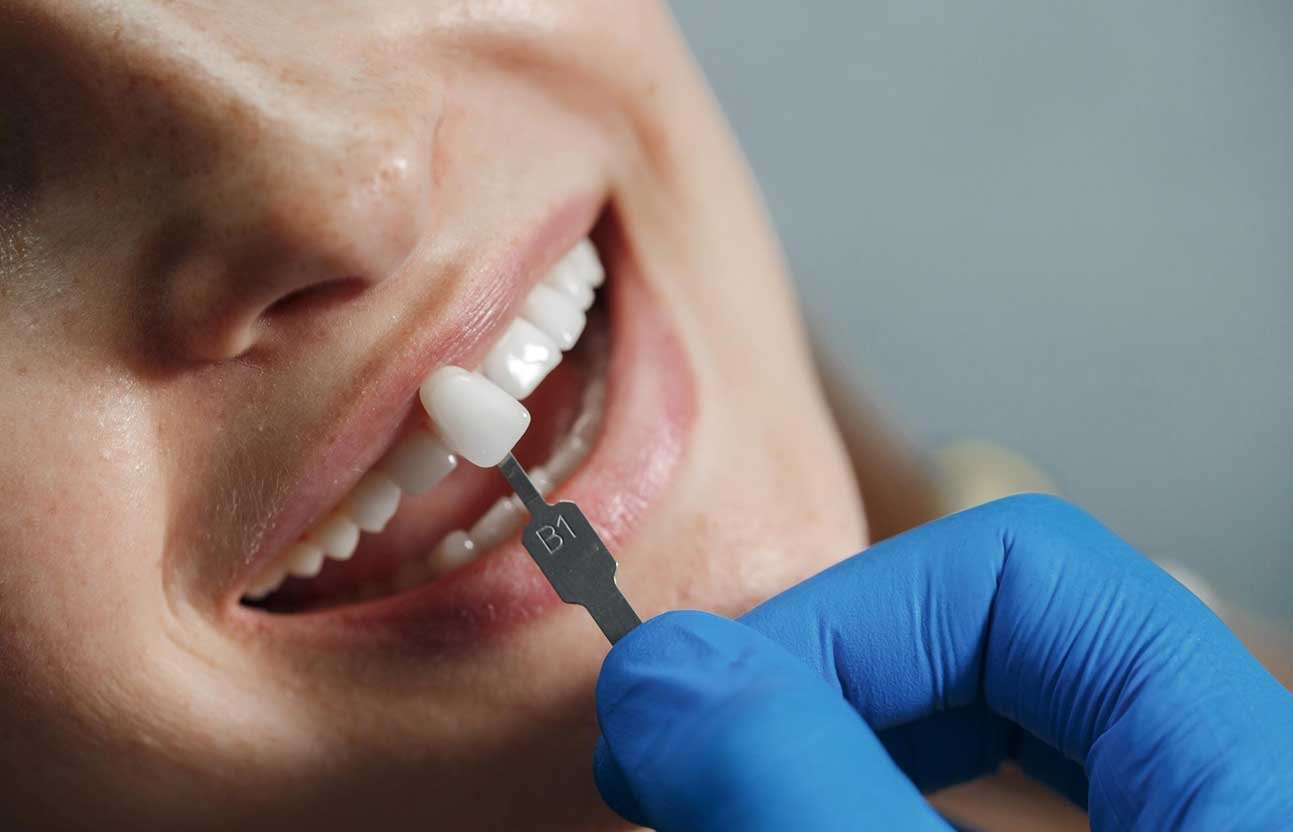
A confident smile can make a significant difference in how people feel about themselves. For patients with discoloured, chipped, uneven, worn or slightly misaligned teeth, dental veneers can be one of the cosmetic dentistry options used to improve the appearance of the smile.
Dental veneers are thin coverings placed over the visible front surface of teeth to change their colour, shape, size or overall appearance. Depending on the patient's dental condition, dentists may recommend porcelain veneers, ceramic veneers or composite veneers.
For patients considering dental veneers in Kerala, India, understanding the treatment process, available veneer types, expected results, maintenance requirements and cost factors is important before making a decision. Kerala has a growing dental healthcare sector, with dental clinics and hospitals offering cosmetic and restorative dentistry services in cities such as Kochi, Thiruvananthapuram, Kozhikode and Thrissur.
This guide explains what dental veneers are, who may benefit from them, how the treatment is performed, how much veneers can cost in Kerala and what international patients should consider before travelling for dental treatment.
What Are Dental Veneers?
Dental veneers are thin shells or layers of tooth-coloured material that are bonded to the front surface of a tooth. They are primarily used to improve dental aesthetics, although in selected cases they can also provide a degree of restorative support.
Veneers can be used to address concerns such as tooth discolouration, minor chips, irregular tooth shapes, small gaps between teeth and certain mild cosmetic irregularities.
Unlike dental crowns, which cover most or all of the visible portion of a tooth, veneers generally cover only the front surface. This makes them a more conservative cosmetic option in appropriately selected cases.
The suitability of veneers depends on the condition of the teeth, gums and bite. A dentist should perform a complete examination before recommending treatment.
Why Do People Choose Dental Veneers?
People choose dental veneers for different cosmetic concerns. Some patients may have teeth that remain discoloured despite professional whitening, while others may want to improve the shape or symmetry of their smile.
Veneers may help improve the appearance of teeth affected by certain types of staining, minor chips, small gaps or irregular shapes.
They can also be used as part of a broader smile makeover, where several cosmetic dental procedures are planned together to create a more harmonious appearance.
However, veneers are not suitable for every dental problem. Significant tooth decay, active gum disease, severe tooth wear or major bite problems may need to be treated before cosmetic veneer treatment is considered.
Types of Dental Veneers
The material used for veneers can affect their appearance, durability, preparation requirements and cost.
Porcelain Veneers
Porcelain veneers are thin, custom-made restorations created to match the desired shape and shade of the teeth.
They are widely used in cosmetic dentistry because they can provide a natural-looking appearance and are generally resistant to staining compared with some other cosmetic materials.
The dentist and dental laboratory work together to design veneers that fit the patient's teeth and complement the surrounding smile.
Ceramic Veneers
Ceramic veneers are another type of tooth-coloured veneer used in cosmetic dentistry. Modern dental ceramics can provide good aesthetics and translucency, allowing the restorations to resemble natural teeth.
The exact material used can vary between dental clinics and laboratories, so patients should ask their dentist which ceramic material is being proposed.
Composite Veneers
Composite veneers are created using tooth-coloured composite resin. In some cases, the dentist can apply and shape the material directly on the teeth.
Composite veneers may require less tooth preparation and can sometimes be completed more quickly than laboratory-made veneers. However, their durability, staining resistance and longevity can differ from porcelain or ceramic options.
The most suitable material depends on the patient's dental condition, expectations, budget and treatment plan.
Dental Veneer Treatment Process
The dental veneer treatment process usually begins with a consultation and dental examination rather than immediately placing veneers.
During the first appointment, the dentist evaluates the teeth and gums and discusses the patient's cosmetic concerns. Photographs, dental scans, X-rays or other diagnostic procedures may be recommended depending on the case.
The dentist then determines whether veneers are appropriate or whether another treatment would provide a better result.
If veneers are selected, the dentist plans the desired shape, size and shade. Digital smile design or other planning techniques may be used by some clinics to help visualise the proposed result.
In many conventional veneer procedures, a small amount of enamel may need to be removed from the tooth surface to create space for the veneer. The amount depends on the veneer design and the individual tooth.
Impressions or digital scans are then taken and sent to a dental laboratory when laboratory-made veneers are being prepared.
Temporary veneers may be provided in some cases while the final restorations are being fabricated.
At the final appointment, the dentist checks the fit, shape and colour of the veneers before bonding them permanently to the teeth.
The dentist may make minor adjustments to ensure that the veneers work appropriately with the patient's bite.
How Long Does Dental Veneer Treatment Take?
The overall treatment time depends on the type of veneers, the number of teeth being treated, the laboratory process and whether other dental procedures are required beforehand.
Some composite veneer treatments may be completed relatively quickly, while porcelain or ceramic veneers commonly require more than one appointment because the restorations are custom-made.
For international patients travelling to Kerala, India for dental veneers, treatment planning can often begin remotely by sharing photographs, dental records and previous reports with the dental provider.
However, the final treatment plan should be confirmed only after an in-person dental examination.
Dental Veneers Cost in Kerala, India
The cost of dental veneers in Kerala can vary considerably from one patient to another.
There is no single fixed price because the total treatment cost depends on several factors, including the material selected, the number of teeth being treated, the complexity of the case, the dentist's expertise and the laboratory used to manufacture the veneers.
Porcelain and high-quality ceramic veneers generally cost more than composite veneers because they involve customised laboratory fabrication and different materials.
Additional dental procedures may also increase the total cost. For example, a patient may require treatment for tooth decay or gum disease before veneers can be placed.
For international patients, the overall budget may also include consultation, diagnostic procedures, accommodation, transportation and follow-up appointments.
Therefore, patients should request a detailed treatment quotation rather than comparing only the price of a single veneer.
Factors That Influence Veneer Cost
The number of veneers is one of the most important factors affecting the overall price. Treating four, six, eight or ten teeth will naturally result in different costs.
The material also makes a difference. Porcelain and advanced ceramic materials generally have a higher cost than composite resin.
The complexity of the patient's case can influence the treatment fee as well. Teeth that require additional preparation or patients who need preliminary dental treatment may have a more extensive treatment plan.
Laboratory quality is another consideration, particularly for porcelain and ceramic veneers. Highly customised restorations may require advanced laboratory techniques and multiple stages of quality control.
Patients should therefore look beyond the quoted price and consider the dentist's qualifications, clinical experience, laboratory standards, materials and aftercare.
Are Dental Veneers Permanent?
Dental veneers are considered long-term cosmetic restorations, but they are not necessarily permanent.
Their lifespan depends on factors such as the material, oral hygiene, biting forces, dental habits and regular professional maintenance.
Porcelain and ceramic veneers can remain functional for many years when properly maintained, but they can eventually require replacement.
Patients who regularly bite hard objects, grind or clench their teeth or have certain bite problems may have a higher risk of veneer damage.
A dentist may recommend a night guard for patients with bruxism to help protect the restorations.
Are Dental Veneers Safe?
When properly planned and placed by a qualified dentist, veneers can be a safe cosmetic dental treatment for appropriately selected patients.
However, veneer placement can involve irreversible removal of some tooth enamel in conventional procedures. Patients should understand this before agreeing to treatment.
Possible complications can include sensitivity, chipping, fracture, changes in bite, gum irritation or problems with the underlying tooth.
Veneers should not be considered simply because they are popular on social media. A dental examination is essential to determine whether the treatment is appropriate.
Dental Veneers vs Teeth Whitening
Dental veneers and professional teeth whitening address different cosmetic concerns.
Teeth whitening is primarily intended to lighten the colour of natural teeth. It does not significantly change the shape, size or alignment of teeth.
Veneers, on the other hand, can alter the apparent colour, shape and proportions of selected teeth.
If the primary concern is general tooth discolouration and the teeth are otherwise healthy, professional whitening may be a more conservative option.
If a patient has multiple cosmetic concerns involving tooth shape, minor chips, gaps and colour, veneers may be considered after a dental assessment.
Dental Veneers vs Dental Crowns
Veneers and crowns are not interchangeable treatments.
A veneer generally covers the front surface of a tooth, whereas a crown covers a much larger portion of the tooth.
Crowns are often used when a tooth has significant structural damage, extensive decay or has undergone root canal treatment and requires substantial restoration.
Veneers are primarily associated with cosmetic improvement of teeth that have sufficient healthy structure.
The dentist should determine whether a veneer, crown, bonding, orthodontic treatment or another option is appropriate.
Who May Be a Good Candidate for Dental Veneers?
Adults with generally healthy teeth and gums who want to improve specific cosmetic concerns may be potential candidates for dental veneers.
Patients with persistent discolouration, minor chips, uneven tooth shapes or small cosmetic gaps may benefit from an evaluation.
However, active cavities, gum disease, severe tooth grinding, inadequate enamel or significant bite problems may affect suitability.
These issues may need to be treated before cosmetic veneer treatment can begin.
Dental Veneers for International Patients in Kerala
Kerala has become an increasingly considered destination for international healthcare, including dental care.
Patients travelling from abroad may explore dental veneers in Kerala, India because of the availability of dental professionals, modern clinics and a broad range of cosmetic and restorative dental services.
Kochi is particularly convenient for international patients because of its international airport and healthcare infrastructure.
International patients can also combine dental treatment with recovery time and travel within Kerala, although the treatment schedule should always take priority over tourism.
Patients travelling specifically for dental veneers should plan enough time for consultation, treatment, laboratory work and any necessary adjustments.
Dental Veneers in Kochi, Kerala
Kochi is one of the prominent healthcare centres in Kerala and offers access to dental clinics and hospitals providing cosmetic dentistry services.
Patients considering dental veneers in Kochi can explore different treatment options, including porcelain veneers, ceramic restorations, composite veneers and other cosmetic dental procedures.
The availability of international airport connectivity can also make Kochi a practical entry point for patients travelling from the Gulf region and other countries.
Before selecting a dental clinic, patients should verify the dentist's qualifications, treatment experience, sterilisation standards, laboratory facilities, materials used and aftercare arrangements.
What International Patients Should Check Before Dental Veneer Treatment
Travelling abroad for cosmetic dental treatment requires careful planning.
Patients should first confirm that the clinic has qualified dental professionals and appropriate infection-control and sterilisation procedures.
They should also ask which veneer material will be used, whether the veneers are fabricated in-house or through an external dental laboratory, and what warranty or replacement policy applies.
The treatment quotation should clearly explain what is included, including consultations, scans, temporary restorations, final veneers, adjustments and follow-up appointments.
Patients should also provide accurate information about previous dental treatment, existing restorations, gum problems, tooth sensitivity and teeth grinding.
How to Maintain Dental Veneers
Good oral hygiene is essential for maintaining both veneers and the natural teeth underneath them.
Patients should brush twice daily with a suitable toothpaste and clean between their teeth regularly. Professional dental check-ups are also important for monitoring the veneers, gums and underlying teeth.
Although veneers may be resistant to staining, the natural teeth surrounding them can still change colour.
Patients should avoid using their teeth to open packages or bite hard non-food objects. Those who grind or clench their teeth should discuss protective options with their dentist.
Regular dental care can help extend the functional life of veneers and maintain overall oral health.
Why Choose Kerala, India for Dental Treatment?
Kerala offers a combination of healthcare services, dental professionals, international connectivity and tourism infrastructure.
For patients considering dental treatment in Kerala, the state provides options ranging from routine dentistry to cosmetic and restorative procedures.
Kochi, in particular, provides convenient access for international visitors while also offering accommodation and transportation options.
However, patients should choose their dental provider based on clinical suitability, professional qualifications, hygiene standards and treatment quality rather than location or price alone.
Medinglo Support for International Dental Patients
For international patients planning dental treatment in Kerala, India, organising the journey can involve several practical steps.
Medinglo can assist patients in exploring dental treatment options, coordinating consultations and helping organise the non-clinical aspects of their healthcare journey.
Patients can share their dental concerns and available records before travelling, allowing the dental team to understand the case and determine the next steps.
The final diagnosis and treatment plan should always be established by a qualified dentist after an appropriate clinical examination.
Frequently Asked Questions About Dental Veneers
How much do dental veneers cost in Kerala, India?
The cost varies according to the veneer material, number of teeth, dentist, laboratory, complexity of treatment and any additional procedures required. Patients should request a personalised quotation after dental evaluation.
How many veneers do I need?
There is no standard number. Some patients require veneers for only one or two teeth, while others may choose multiple veneers as part of a smile makeover. The number should be determined according to the patient's dental condition and aesthetic goals.
Are porcelain veneers better than composite veneers?
Both options have advantages and limitations. Porcelain veneers can provide highly aesthetic, durable restorations and good stain resistance, while composite veneers can sometimes be completed more quickly and may require less preparation. A dentist can recommend the appropriate material based on the individual case.
How long do dental veneers last?
Veneers can last for many years with appropriate care, but they may eventually need replacement. Their longevity depends on material, oral hygiene, bite, dental habits and professional maintenance.
Is dental veneer treatment painful?
The experience varies depending on the amount of tooth preparation required and individual sensitivity. Local anaesthesia can be used when necessary. Some patients may experience temporary sensitivity after treatment.
Can veneers fix crooked teeth?
Veneers can sometimes improve the appearance of mildly irregular or slightly misaligned teeth. They cannot replace orthodontic treatment for significant alignment or bite problems.
Can I get dental veneers in Kochi?
Yes. Dental clinics in Kochi offer cosmetic dentistry services, including veneer treatment. Patients should research the dentist, clinic, materials, laboratory standards and aftercare before making a decision.
Can international patients travel to Kerala for dental veneers?
Yes. International patients can explore dental veneer treatment in Kerala, India. It is advisable to complete an initial consultation before travelling and allow sufficient time in Kerala for examination, treatment and any necessary adjustments.
Conclusion
Dental veneers in Kerala, India can be an option for patients looking to improve the appearance of discoloured, chipped, uneven or cosmetically irregular teeth.
From porcelain and ceramic veneers to composite options, the appropriate treatment depends on the condition of the teeth, the patient's expectations, budget and long-term dental health.
The cost of veneers in Kerala varies according to the material, number of teeth, dentist, laboratory and complexity of treatment. Rather than choosing treatment based solely on the lowest price, patients should consider qualifications, experience, materials, hygiene standards, technology and aftercare.
For international patients, Kerala and Kochi offer access to dental care alongside well-developed travel and healthcare infrastructure. However, a detailed dental assessment should always come before treatment planning.
If you are considering dental veneers in Kerala, India, obtaining a professional dental evaluation and a transparent treatment plan is the best first step toward making an informed decision.
Medical Disclaimer: This article is intended for general informational purposes only and does not constitute dental or medical advice. Dental veneer suitability, treatment planning, risks and expected outcomes vary between individuals and should be assessed by a qualified dental professional.