



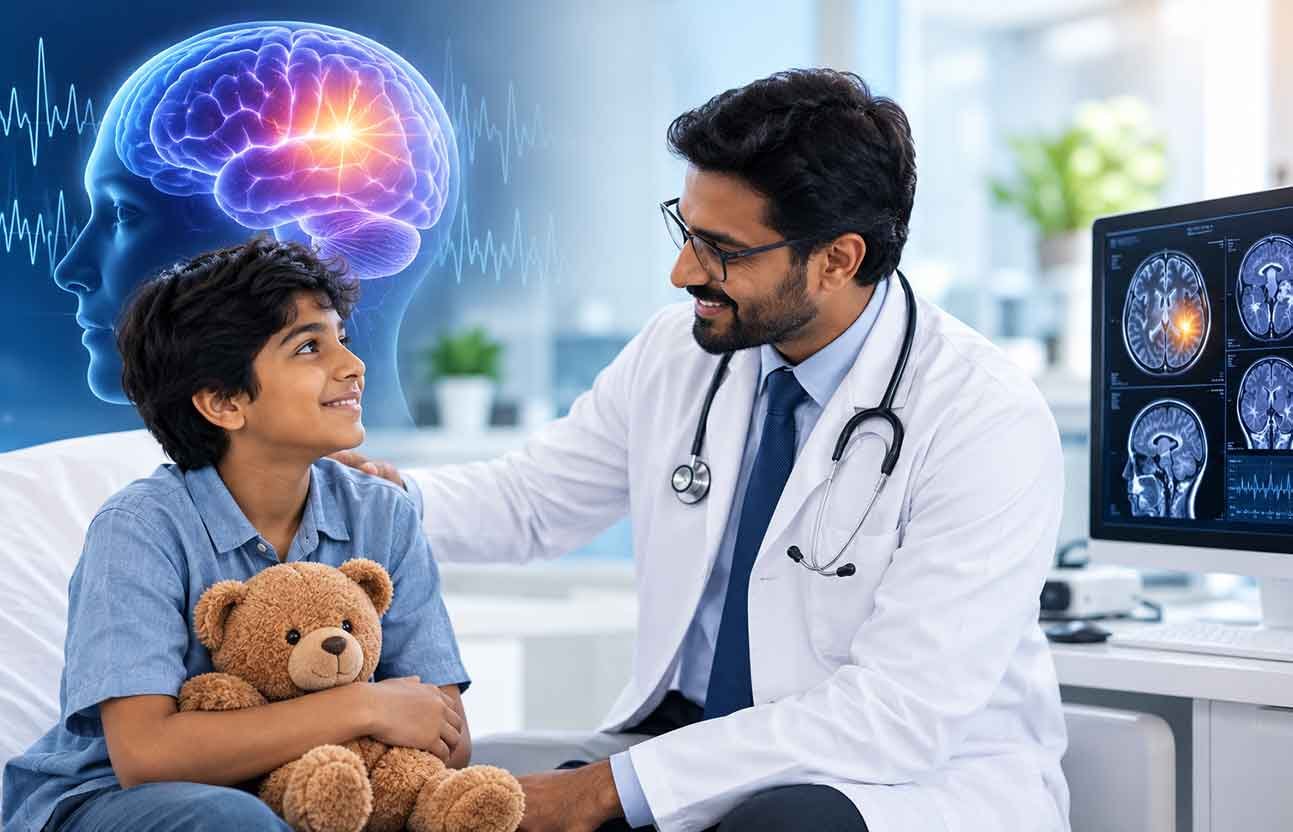
Epilepsy is a neurological condition that causes recurrent seizures because of abnormal electrical activity in the brain. Seizures can affect people in very different ways. Some may involve loss of consciousness and repeated movements, while others may appear as brief periods of staring, confusion, unusual sensations, memory changes or involuntary movements.
Epilepsy can affect children, adults and older people, and its causes can vary considerably. Some cases are associated with genetic factors, brain injuries, infections, stroke, developmental abnormalities or brain tumours, while in many people the exact cause cannot be identified. According to the World Health Organization, around 50 million people worldwide live with epilepsy, and with appropriate diagnosis and treatment, a substantial proportion of people can become seizure-free.
Modern epilepsy care is not limited to controlling seizures with medication. Depending on the type of epilepsy and the patient's response to treatment, comprehensive care may include neurological evaluation, EEG testing, brain imaging, anti-seizure medicines, dietary therapy, epilepsy surgery, neurostimulation and rehabilitation.
For patients looking for epilepsy treatment in Kerala, the state offers access to specialist neurological services, advanced diagnostic facilities and comprehensive epilepsy-care programmes. Kerala is also home to specialised institutions that provide evaluation and surgical treatment for selected patients with difficult-to-control epilepsy.
What Is Epilepsy?
Epilepsy is a chronic disorder of the brain characterised by a tendency to have recurrent seizures. A seizure occurs when there is a temporary disruption of the brain's normal electrical activity.
A seizure itself does not always mean that a person has epilepsy. A person may experience a seizure because of a temporary medical condition or another immediate cause. Epilepsy is diagnosed by a healthcare professional based on the individual's seizure history, clinical evaluation and, when appropriate, investigations such as EEG and brain imaging.
Because seizures can originate in different parts of the brain, their symptoms can vary significantly. This is one reason why accurate diagnosis is an important first step in epilepsy treatment.
What Causes Epilepsy?
Epilepsy has many possible causes, and in a significant proportion of patients the underlying cause remains unknown.
The causes can broadly involve structural, genetic, infectious, metabolic or immune factors. Brain injury before or around birth, congenital abnormalities, severe head injury, stroke, infections affecting the brain, certain genetic conditions and brain tumours can all be associated with epilepsy.
Infections of the central nervous system, including meningitis and encephalitis, can sometimes result in epilepsy. Neurocysticercosis, a parasitic infection affecting the brain, is also an important cause in some regions.
A previous stroke or traumatic brain injury can also increase the risk of developing epilepsy. In children, certain developmental or genetic conditions may be associated with epilepsy.
However, identifying a cause is not always possible. The absence of an obvious cause does not mean that the seizures are not real or that treatment cannot be effective.
Types of Epilepsy and Seizures
Epilepsy is not one single condition. There are different types of seizures and epilepsy syndromes, and identifying the seizure type helps doctors select an appropriate treatment strategy.
Focal Seizures
Focal seizures begin in one area or one side of the brain. They can affect awareness, movement, sensation, emotions or behaviour.
A person may remain aware during some focal seizures and experience unusual sensations, a strange smell or taste, déjà vu, abdominal sensations or involuntary movements.
In other focal seizures, awareness may be impaired. The person may appear confused, stare blankly, perform repetitive movements or be unable to respond normally for a period of time.
Generalized Seizures
Generalized seizures involve both sides of the brain from the beginning or appear to do so. They may affect consciousness and cause movements involving both sides of the body.
A generalized tonic-clonic seizure can cause loss of consciousness, stiffening of the muscles and rhythmic jerking movements, followed by tiredness or confusion.
Other generalized seizures may present differently. For example, absence seizures can involve brief periods of staring or reduced awareness and may be particularly difficult to recognise without specialist assessment.
Other Seizure Patterns
Some seizures may involve sudden muscle jerks, loss of muscle tone or other unusual movements. Because seizure symptoms can resemble other neurological or medical conditions, specialist evaluation is important before assuming that an episode is epilepsy.
Symptoms of Epilepsy
The symptoms of epilepsy depend on the seizure type and the area of the brain involved.
A person experiencing a seizure may suddenly lose awareness, stare into space, become confused, fall, develop abnormal movements, experience muscle stiffening or jerking, or have unusual sensations.
Some people may experience temporary changes in vision, hearing, taste, smell, emotions or memory. Others may become unable to respond to questions even though their eyes remain open.
Not every seizure involves dramatic shaking or loss of consciousness. Some seizures can be subtle and may appear as brief periods of staring, repetitive movements or unexplained episodes of confusion.
Common Signs That May Require Neurological Evaluation
Repeated unexplained episodes of altered awareness, sudden involuntary movements, unexplained falls, recurrent periods of confusion, unusual repetitive behaviours or episodes associated with loss of consciousness should be evaluated by a medical professional.
Keeping a record of episodes can be useful. Information about when the event occurred, what happened before and during the episode, how long it lasted and how the person behaved afterwards can help the doctor understand the pattern.
If someone witnesses a suspected seizure, a video recorded safely on a mobile phone may sometimes provide useful information to the treating doctor, provided that recording does not delay assistance or compromise the person's safety.
How Is Epilepsy Diagnosed?
Diagnosing epilepsy involves more than a single test. The doctor usually begins by taking a detailed history of the episodes and examining the patient.
The description provided by the patient or witnesses can be particularly important because the doctor may not personally observe a seizure.
EEG for Epilepsy
An electroencephalogram, commonly called an EEG, records the electrical activity of the brain. It can help doctors identify abnormal electrical patterns and support the diagnosis and classification of epilepsy.
However, an EEG is only one part of the diagnostic process. A normal EEG does not necessarily exclude epilepsy, and the test needs to be interpreted alongside the patient's clinical history.
Brain Imaging
Depending on the suspected cause and seizure type, doctors may recommend brain imaging such as MRI. Imaging can help identify structural abnormalities, previous injuries, tumours or other changes that may be associated with seizures.
Other Investigations
Some patients may require additional investigations, particularly when seizures are difficult to classify or do not respond adequately to initial treatment.
Specialised epilepsy centres may use prolonged video-EEG monitoring and other advanced assessments to identify where seizures originate and determine whether a patient could benefit from advanced treatment.
Epilepsy Treatment
The goal of epilepsy treatment is to control seizures while maintaining the patient's quality of life and minimising treatment-related side effects.
The appropriate treatment depends on the type of seizure, epilepsy syndrome, underlying cause, age, other health conditions, medications and individual circumstances.
Anti-Seizure Medicines
Anti-seizure medicines are the most common first-line treatment for epilepsy. These medicines work in different ways to reduce abnormal electrical activity and prevent seizures.
Finding the right medication and dose can sometimes require time. Some patients respond well to one medicine, while others may require a different medication or a combination of medicines.
It is extremely important not to stop anti-seizure medication suddenly without medical advice. Abruptly stopping certain medicines can increase the risk of serious or prolonged seizures.
Epilepsy Surgery
Surgery may be considered for selected patients whose seizures remain uncontrolled despite appropriate medication.
When seizures consistently originate from a specific area of the brain and that area can be treated safely, epilepsy surgery may reduce or sometimes eliminate seizures in suitable patients.
Surgery is not appropriate for everyone. Patients usually require detailed evaluation at a specialised epilepsy centre before a surgical decision is made.
Neurostimulation and Seizure Devices
Some patients who are not suitable for resective epilepsy surgery may be considered for neuromodulation approaches.
Depending on the patient's condition and the available expertise, these can include therapies such as vagus nerve stimulation or responsive neurostimulation.
These treatments are generally considered as part of specialist epilepsy care rather than routine treatment for every patient.
Ketogenic and Other Dietary Therapies
Dietary therapy, particularly ketogenic dietary therapy, may be considered for selected patients whose seizures remain difficult to control with medication.
The ketogenic diet is a strict high-fat, low-carbohydrate diet and should be undertaken under appropriate medical and dietetic supervision. It is particularly established in certain childhood epilepsies.
What Is Drug-Resistant Epilepsy?
Some people continue to experience seizures despite appropriate treatment with anti-seizure medicines. This may be referred to as drug-resistant or medication-resistant epilepsy.
Persistent seizures can affect education, employment, independence, mental health and quality of life.
When seizures remain uncontrolled, the patient may benefit from referral to an epilepsy specialist or comprehensive epilepsy centre. Such centres can bring together neurologists with epilepsy expertise, neurosurgeons, EEG specialists, nurses, psychologists and other professionals involved in epilepsy care.
Early referral is particularly important when medication is not adequately controlling seizures or when treatment side effects are difficult to manage.
Best Hospital for Epilepsy Treatment in Kerala
When searching online for the best hospital for epilepsy treatment in Kerala, patients should avoid choosing a hospital based only on a general hospital ranking or advertising claim.
The more important question is whether the hospital has the specific epilepsy expertise and facilities required for the patient's condition.
A comprehensive epilepsy centre may provide neurological assessment, EEG and video-EEG monitoring, brain imaging, medication management, epilepsy surgery evaluation, neurosurgical services, rehabilitation and psychological support.
R Madhavan Nayar Centre for Comprehensive Epilepsy Care, Thiruvananthapuram
Kerala has a nationally and internationally recognised centre for comprehensive epilepsy care at the Sree Chitra Tirunal Institute for Medical Sciences and Technology (SCTIMST) in Thiruvananthapuram.
The R Madhavan Nayar Centre for Comprehensive Epilepsy Care reports that it provides comprehensive care for adult and paediatric epilepsies and offers medical, surgical, psychosocial and occupational care. The centre also has a particular focus on surgical treatment for medically refractory epilepsy and undertakes epilepsy-related clinical and basic research.
For patients with difficult-to-control seizures, a centre with dedicated epilepsy expertise can be particularly important because evaluation may need to go beyond routine neurological consultation.
The most appropriate hospital, however, depends on the patient's seizure type, diagnosis, treatment history and medical requirements. International patients should obtain a specialist opinion and review their medical records before travelling.
Epilepsy Treatment in Kerala for International Patients
Kerala has developed a broad healthcare ecosystem that attracts patients from different parts of India and abroad.
International patients considering epilepsy treatment in Kerala can begin by sharing previous neurological reports, EEG results, MRI scans, medication history and seizure records with the treating hospital or specialist.
A preliminary review can help determine whether the patient needs routine epilepsy management, advanced diagnostic testing, prolonged EEG monitoring or assessment for surgery.
For patients with drug-resistant epilepsy, it is particularly important to identify a centre capable of performing a comprehensive evaluation rather than simply changing medications without further investigation.
Epilepsy Care for Children in Kerala
Epilepsy can occur during childhood, and seizures in children may present differently from those in adults.
Some childhood seizures can be subtle, while others may involve changes in awareness, muscle movements or development. Some children may also have an underlying neurological or genetic condition associated with epilepsy.
Paediatric epilepsy care therefore requires careful assessment of seizure type, development, learning, behaviour and the child's overall neurological health.
Kerala's specialised epilepsy services include facilities that provide care for both paediatric and adult epilepsy, including comprehensive assessment and treatment for children with difficult-to-control seizures.
Living With Epilepsy
Epilepsy management continues beyond the doctor's appointment. Taking medication exactly as prescribed, attending follow-up appointments and understanding personal seizure patterns are important components of long-term care.
Adequate sleep, regular physical activity when medically appropriate, a balanced diet and attention to stress may also support general health and seizure management.
Some people may have specific seizure triggers, although triggers vary from person to person. Keeping a seizure diary can help identify patterns and provide useful information to the treating doctor.
People with epilepsy should also discuss issues such as driving, work, exercise, travel, pregnancy and medication interactions with their healthcare provider because recommendations can depend on the individual's condition and local regulations.
Seizure First Aid: What Should You Do?
Knowing basic seizure first aid can help prevent injuries.
During a seizure, the priority is to keep the person safe. Move dangerous objects away, stay with the person and protect them from injury. Do not attempt to force anything into the person's mouth and do not try to restrain their movements.
After the seizure, place the person in a safe position if appropriate and monitor their breathing and recovery.
Emergency medical help is particularly important when a seizure lasts longer than five minutes, another seizure follows soon after the first, the person has difficulty breathing or waking up, the person is injured, or the seizure occurs in water.
A first-ever seizure also requires medical assessment.
Epilepsy and Mental Health
Living with recurrent seizures can affect emotional wellbeing. People with epilepsy may experience anxiety, depression, social isolation or concerns about education, employment, driving and independence.
Mental health should therefore be considered as part of comprehensive epilepsy care rather than treated as a separate issue.
Psychological support, counselling and appropriate social support can help patients and families manage the practical and emotional challenges associated with epilepsy. WHO also highlights the psychological and social impact associated with epilepsy and the importance of comprehensive care.
Can Epilepsy Be Cured?
Whether epilepsy can be completely eliminated depends on its cause, type and response to treatment.
Many people can achieve excellent seizure control with appropriate anti-seizure medication. WHO estimates that up to 70% of people with epilepsy could become seizure-free with appropriate diagnosis and treatment.
For selected patients with medication-resistant epilepsy, surgery or other advanced treatments may provide additional options.
However, no single treatment works for everyone. Treatment decisions should always be individualised by a qualified epilepsy specialist.
When Should You See an Epilepsy Specialist?
A neurologist or epileptologist should be considered when seizures are recurrent, difficult to diagnose, uncontrolled with medication, associated with significant side effects or suspected to require advanced treatment.
Referral to a specialised epilepsy centre can be particularly valuable when a patient continues to have seizures despite appropriate medication or when epilepsy surgery is being considered.
Why Choose Kerala for Epilepsy Treatment?
Kerala has a well-established healthcare sector and access to specialist neurological services. The state also has dedicated expertise in comprehensive epilepsy care, including evaluation and surgical management of selected cases.
For patients seeking epilepsy treatment in Kerala, the availability of neurological specialists, advanced diagnostic services and specialised epilepsy-care programmes can provide options ranging from medication management to evaluation for advanced treatment.
For international patients, Kerala can also provide access to accommodation, airport connectivity, transportation and broader medical-tourism support, making it possible to combine specialist medical care with a coordinated treatment journey.
How Medinglo Can Help With Epilepsy Treatment in Kerala
International patients travelling to India for epilepsy care may need assistance understanding treatment options, identifying an appropriate specialist, reviewing medical records and organising the practical aspects of their journey.
Medinglo can assist international patients in exploring suitable healthcare options in Kerala and coordinating aspects of the medical travel process.
Patients can share their previous medical reports, EEG records, MRI scans, medication history and other relevant information for preliminary review before travelling.
The final diagnosis and treatment plan should always be determined by the treating neurologist or epilepsy specialist after appropriate medical evaluation.
Frequently Asked Questions About Epilepsy Treatment in Kerala
What is epilepsy?
Epilepsy is a neurological disorder characterised by recurrent seizures caused by abnormal electrical activity in the brain. There are many different types of seizures, and symptoms vary depending on the area of the brain involved.
What are the common symptoms of epilepsy?
Symptoms can include loss of awareness, staring, confusion, unusual movements, muscle stiffening, rhythmic jerking, temporary sensory changes and loss of consciousness. Some seizures can be subtle and may not involve shaking.
What causes epilepsy?
Possible causes include genetic conditions, brain injuries, stroke, infections affecting the brain, congenital abnormalities, brain tumours and other neurological conditions. In many cases, the exact cause is unknown.
What is the best treatment for epilepsy?
Treatment depends on the seizure type, cause and individual patient. Anti-seizure medicines are commonly used, while selected patients may benefit from surgery, neurostimulation or dietary therapy.
Is epilepsy surgery available in Kerala?
Yes. Specialised epilepsy-care centres in Kerala provide evaluation for epilepsy surgery and surgical treatment for selected patients with medically refractory epilepsy. The R Madhavan Nayar Centre for Comprehensive Epilepsy Care at SCTIMST in Thiruvananthapuram specifically reports expertise in surgical treatment of medically refractory epilepsy.
Which is the best hospital for epilepsy treatment in Kerala?
There is no single hospital that is best for every epilepsy patient. The appropriate centre depends on the type of seizure, age, underlying cause, previous treatment and whether advanced evaluation or surgery is required.
For complex or drug-resistant epilepsy, patients should consider centres with dedicated epilepsy programmes, epilepsy specialists, EEG and advanced diagnostic facilities, neurosurgical expertise and multidisciplinary care.
Can children receive epilepsy treatment in Kerala?
Yes. Specialist epilepsy services in Kerala include care for both children and adults. Paediatric epilepsy requires assessment of seizures alongside the child's neurological development, learning and overall health.
Can epilepsy be completely cured?
Some people achieve long-term seizure freedom with appropriate treatment. Others may require ongoing medication or advanced treatment. The outcome depends on the type and cause of epilepsy and the individual's response to treatment.
Conclusion
Epilepsy is a complex neurological condition, but appropriate diagnosis and modern treatment can help many people achieve significant seizure control and maintain a fulfilling life.
Understanding the causes, symptoms and types of epilepsy is the first step toward appropriate care. Diagnosis may involve a detailed clinical history, neurological assessment, EEG, brain imaging and other investigations depending on the individual case.
Treatment may include anti-seizure medicines, while selected patients with difficult-to-control epilepsy may require advanced evaluation for epilepsy surgery, neurostimulation or dietary therapies.
For patients searching for the best hospital for epilepsy treatment in Kerala, the focus should be on finding a centre with the right epilepsy expertise, diagnostic facilities and treatment options for the specific condition. Kerala has specialised epilepsy-care services, including comprehensive adult and paediatric epilepsy care and surgical evaluation for medically refractory epilepsy.
International patients considering epilepsy treatment in Kerala can seek specialist review before travelling, allowing their medical history, previous investigations and treatment response to be assessed in advance.
Medical Disclaimer: This article is intended for general educational and informational purposes only. It does not replace consultation, diagnosis or treatment from a qualified neurologist, epileptologist or other healthcare professional. Epilepsy treatment must be individualised according to the patient's diagnosis, seizure type, medical history and overall health. Never stop or change anti-seizure medication without medical advice.