



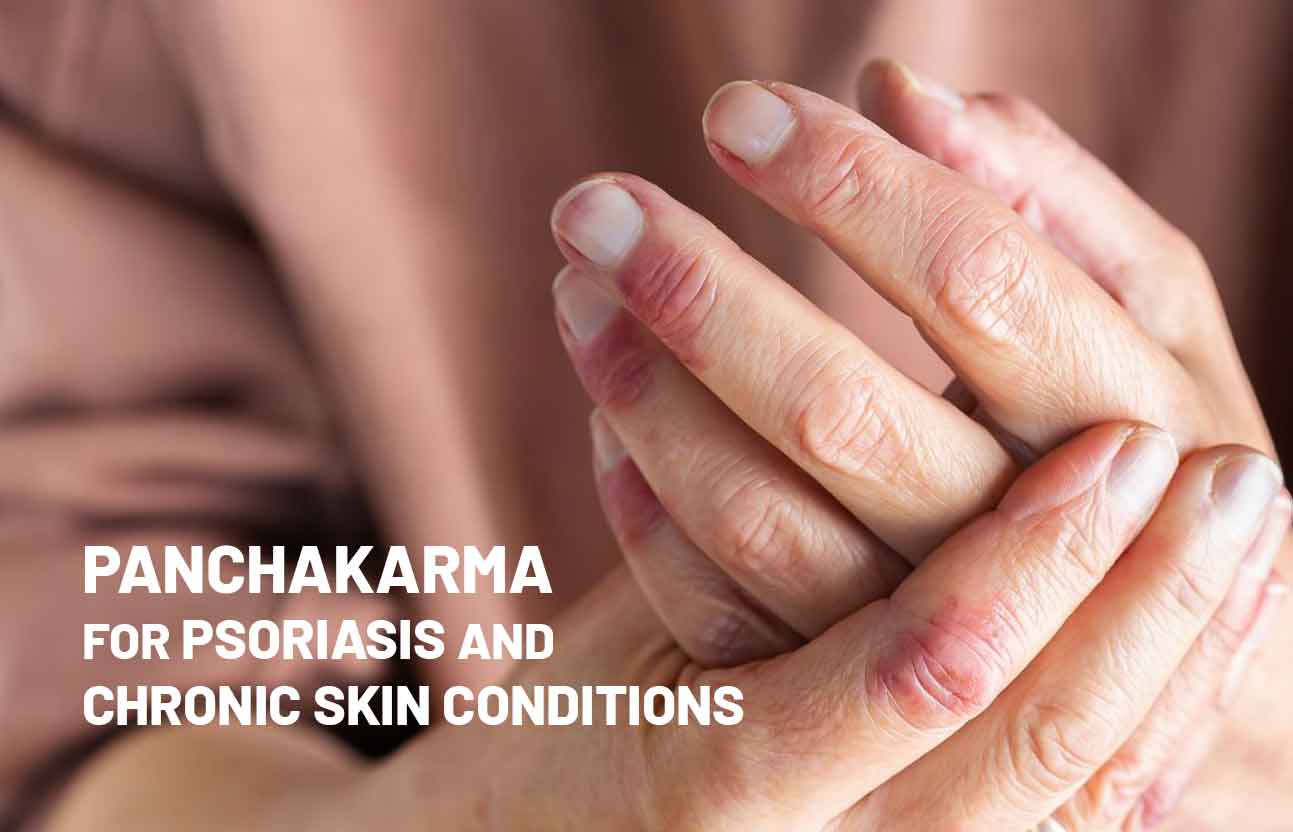
Chronic skin conditions can affect far more than appearance. Conditions such as psoriasis, eczema, dermatitis, chronic urticaria, and certain autoimmune skin disorders often impact confidence, emotional well-being, sleep quality, and overall quality of life. While conventional medicine can help manage symptoms, many individuals seek complementary approaches that focus on long-term wellness and addressing underlying imbalances.
One of the most respected healing approaches in Ayurveda is Panchakarma, a comprehensive detoxification and rejuvenation therapy that aims to cleanse the body, restore balance, and support natural healing. For centuries, Panchakarma has been used as part of Ayurvedic treatment programs for various chronic health conditions, including skin disorders.
This article explores how Panchakarma may support individuals living with psoriasis and other chronic skin conditions, the therapies involved, and what patients can expect from an Ayurvedic skin wellness program.
What Is Panchakarma?
Panchakarma is a classical Ayurvedic purification and detoxification system designed to remove accumulated toxins (Ama), balance the body's doshas (Vata, Pitta, and Kapha), and improve overall health.
The word "Panchakarma" translates to "five actions," referring to five therapeutic procedures used to cleanse the body. Unlike a simple detox program, Panchakarma is a personalized treatment process that includes preparation, cleansing, and rejuvenation phases.
According to Ayurveda, many chronic diseases—including skin disorders—are linked to internal imbalances and toxin accumulation. Panchakarma seeks to address these root causes rather than simply managing symptoms.
Understanding Psoriasis Through Ayurveda
Psoriasis is a chronic autoimmune skin condition characterized by red, scaly patches, itching, inflammation, and periods of flare-ups and remission.
From an Ayurvedic perspective, psoriasis is often associated with an imbalance of the Pitta and Kapha doshas, combined with the accumulation of toxins within the body. Digestive disturbances, poor dietary habits, stress, environmental factors, and weakened metabolic function are believed to contribute to the condition.
Ayurvedic treatment focuses on improving digestion, eliminating toxins, balancing doshas, supporting liver function, and promoting healthier skin from within.
How Can Panchakarma Support Skin Health?
Panchakarma aims to create an internal environment that supports healthier skin by addressing factors that may contribute to chronic inflammation and recurring symptoms.
The therapy focuses on:
- Detoxification of the body
- Supporting digestive health
- Balancing doshas
- Improving circulation
- Reducing inflammation
- Supporting immune function
- Enhancing skin nourishment
- Managing stress levels
Many individuals report improvements in skin appearance, reduced itching, better sleep, and enhanced overall well-being after undergoing a structured Panchakarma program.
Chronic Skin Conditions That May Benefit from Panchakarma
Psoriasis
Panchakarma is commonly incorporated into Ayurvedic psoriasis management programs. The goal is to help reduce toxin accumulation, calm inflammation, and support the body's natural healing processes.
While results vary from person to person, many patients seek Panchakarma as part of a long-term skin health strategy.
Eczema (Atopic Dermatitis)
Eczema often causes dry, itchy, and inflamed skin that can significantly impact daily life.
Ayurvedic therapies focus on reducing internal heat, supporting digestion, and restoring skin hydration through a combination of detoxification and rejuvenation treatments.
Chronic Dermatitis
Individuals with recurring dermatitis may benefit from Panchakarma therapies that address inflammatory triggers and promote internal balance.
Treatment plans are customized based on individual symptoms and constitutional factors.
Chronic Urticaria (Hives)
Recurring hives may be associated with immune responses, allergies, and internal imbalances.
Ayurvedic practitioners often incorporate detoxification therapies alongside dietary and lifestyle modifications to support symptom management.
Acne and Chronic Skin Inflammation
Persistent acne and inflammatory skin conditions may be linked to excess Pitta and toxin accumulation according to Ayurveda.
Panchakarma programs often focus on cleansing and balancing the body while promoting healthier skin function.
Panchakarma Therapies Commonly Used for Skin Disorders
Virechana (Therapeutic Purgation)
Virechana is one of the most frequently recommended Panchakarma procedures for skin conditions.
This controlled cleansing therapy aims to eliminate excess Pitta toxins through the gastrointestinal tract. It is often used in Ayurvedic management of psoriasis, eczema, and inflammatory skin disorders.
Abhyanga (Medicated Oil Massage)
Abhyanga involves the application of warm herbal oils through rhythmic massage techniques.
This therapy helps improve circulation, nourish the skin, calm the nervous system, and prepare the body for deeper detoxification procedures.
Swedana (Herbal Steam Therapy)
Swedana uses therapeutic steam infused with herbal preparations.
The therapy promotes sweating, opens body channels, improves circulation, and supports toxin elimination.
Takradhara
Takradhara involves the continuous pouring of medicated buttermilk over the forehead.
This therapy is particularly beneficial for stress-related skin conditions because it helps calm the nervous system and promote relaxation.
Raktamokshana (Blood Purification Therapy)
In selected cases and under professional supervision, Ayurvedic practitioners may recommend traditional blood purification techniques as part of comprehensive skin management programs.
This therapy is traditionally used for certain chronic inflammatory skin disorders.
The Importance of Diet During Panchakarma
Ayurveda considers digestion central to skin health.
During a Panchakarma program, dietary recommendations typically focus on:
- Easily digestible foods
- Fresh fruits and vegetables
- Herbal preparations
- Warm, cooked meals
- Adequate hydration
Patients are generally advised to avoid:
- Processed foods
- Excess sugar
- Deep-fried foods
- Artificial additives
- Excessive dairy products
- Alcohol
A personalized Ayurvedic diet helps support detoxification and improve treatment outcomes.
Stress and Chronic Skin Conditions
Stress is a well-known trigger for psoriasis flare-ups and other chronic skin disorders.
Panchakarma incorporates relaxation therapies, meditation, yoga, breathing exercises, and lifestyle guidance to help reduce stress levels.
By supporting emotional well-being, these therapies may contribute to improved skin health and reduced recurrence of symptoms.
What Does the Research Say About Panchakarma for Psoriasis?
Scientific interest in Ayurveda and Panchakarma continues to grow worldwide.
Several studies suggest that integrative Ayurvedic approaches may help improve symptoms, quality of life, and patient satisfaction among individuals with chronic skin conditions. Research has also highlighted potential benefits related to stress reduction, inflammation management, and overall wellness.
However, more large-scale clinical studies are needed to fully understand the long-term effectiveness of Panchakarma for specific skin disorders.
Panchakarma should be viewed as a complementary wellness approach rather than a guaranteed cure.
How Long Does a Panchakarma Program for Psoriasis Last?
The duration of Panchakarma varies based on the individual's health condition, severity of symptoms, and treatment goals.
Programs may range from:
- 7 days for basic detoxification
- 14 days for moderate therapeutic programs
- 21–28 days for comprehensive Panchakarma and rejuvenation
Ayurvedic practitioners develop customized treatment plans following a detailed health assessment.
Who Should Consider Panchakarma for Skin Conditions?
Panchakarma may be suitable for individuals who:
- Experience recurring psoriasis flare-ups
- Live with chronic eczema or dermatitis
- Seek a holistic approach to skin wellness
- Want to support long-term skin health
- Experience stress-related skin problems
- Are interested in Ayurvedic lifestyle practices
A professional consultation is important before beginning any Panchakarma program, especially for individuals with existing medical conditions.
Why Kerala Is a Preferred Destination for Panchakarma
Kerala is widely recognized as the home of authentic Ayurveda and Panchakarma therapies.
The region offers:
- Experienced Ayurvedic physicians
- Traditional Panchakarma centers
- Authentic herbal preparations
- Peaceful healing environments
- Comprehensive wellness retreats
Many people choose Kerala for immersive Ayurvedic programs that combine treatment, nutrition, yoga, meditation, and lifestyle counseling.
Panchakarma for Skin Wellness Through Medinglo
At Medinglo, we connect individuals with leading Ayurvedic hospitals, wellness centers, and Panchakarma retreats across India.
Whether you are exploring Panchakarma for psoriasis, eczema, chronic skin inflammation, or holistic skin wellness, our team can help you access personalized Ayurvedic treatment programs designed to support your health goals.
Through carefully selected wellness partners, Medinglo helps patients experience authentic Ayurveda while receiving professional guidance throughout their healing journey.
Frequently Asked Questions
Can Panchakarma cure psoriasis permanently?
Panchakarma is not considered a guaranteed cure for psoriasis. However, many individuals use it as part of a comprehensive Ayurvedic approach to support symptom management, improve skin health, and enhance overall well-being.
Which Panchakarma treatment is best for psoriasis?
Virechana is often considered one of the primary Panchakarma therapies used in Ayurvedic psoriasis management. However, treatment plans vary depending on individual needs and dosha imbalances.
Is Panchakarma effective for eczema?
Many Ayurvedic practitioners recommend Panchakarma for eczema because it focuses on detoxification, inflammation management, digestive health, and skin nourishment.
How many days of Panchakarma are needed for skin conditions?
The duration varies based on the condition and treatment goals. Programs commonly range from 7 to 28 days.
Can Panchakarma help with stress-related skin flare-ups?
Yes. Panchakarma includes relaxation therapies, meditation, yoga, and stress-management techniques that may help reduce stress-related triggers associated with chronic skin conditions.