


Panchakarma treatment in Kerala, India is one of the most recognised traditional Ayurvedic therapy programmes for patients seeking personalised wellness, cleansing and restorative care. Rooted in the classical principles of Ayurveda, Panchakarma is not simply a massage or spa treatment. It is a structured therapeutic approach that may involve preparation, specialised procedures, dietary modifications, rest and post-treatment care.
Kerala has developed a strong international reputation for Ayurveda, with Ayurvedic hospitals and centres offering traditional therapies in different parts of the state. Kerala Tourism describes Panchakarma as a three-stage process involving Purvakarma, Pradhanakarma and Paschatkarma, with the treatment plan adapted according to the individual's condition and requirements.
For international patients considering Panchakarma in Kerala, understanding what the treatment involves, who it may be suitable for, how long it can take and how to select an appropriate Ayurvedic centre is important before travelling.
What Is Panchakarma Treatment?
The word Panchakarma comes from the Sanskrit words Pancha, meaning five, and Karma, referring to therapeutic actions or procedures. Within Ayurveda, Panchakarma refers to a group of specialised procedures traditionally used as part of cleansing and therapeutic programmes.
The approach is based on the Ayurvedic concept of maintaining balance among the three doshas — Vata, Pitta and Kapha. A qualified Ayurvedic physician assesses the individual's constitution, health condition and treatment requirements before deciding which therapies are appropriate.
Importantly, Panchakarma is not necessarily the same for every patient. The procedures, duration, medicines, diet and intensity of treatment can vary depending on the person's age, health status, constitution and therapeutic goals.
Why Is Panchakarma Treatment Popular in Kerala?
Kerala is widely associated with traditional Ayurveda and has developed a large ecosystem of Ayurvedic hospitals, treatment centres and wellness facilities.
The state provides different types of Ayurvedic services, ranging from hospital-based therapeutic care to residential Ayurveda and wellness programmes. Kerala Tourism also maintains information on Ayurveda centres and accredited service providers across the state.
Kerala's natural environment is another factor that contributes to its popularity among people seeking Ayurvedic wellness experiences. The state's backwaters, coastal areas, hill regions and quieter surroundings provide settings that many visitors associate with rest and recovery.
For international patients, Kerala can therefore offer a combination of Ayurvedic healthcare, accommodation, travel infrastructure and wellness-focused environments.
Understanding the Three Stages of Panchakarma
A traditional Panchakarma programme generally follows three broad stages: preparation, the principal therapeutic procedures and post-treatment recovery.
Purvakarma: Preparation Before Panchakarma
Purvakarma is the preparatory stage of Panchakarma.
The objective is to prepare the body for the main therapeutic procedures. Depending on the physician's assessment, this stage may involve therapies such as oleation and sweating therapies.
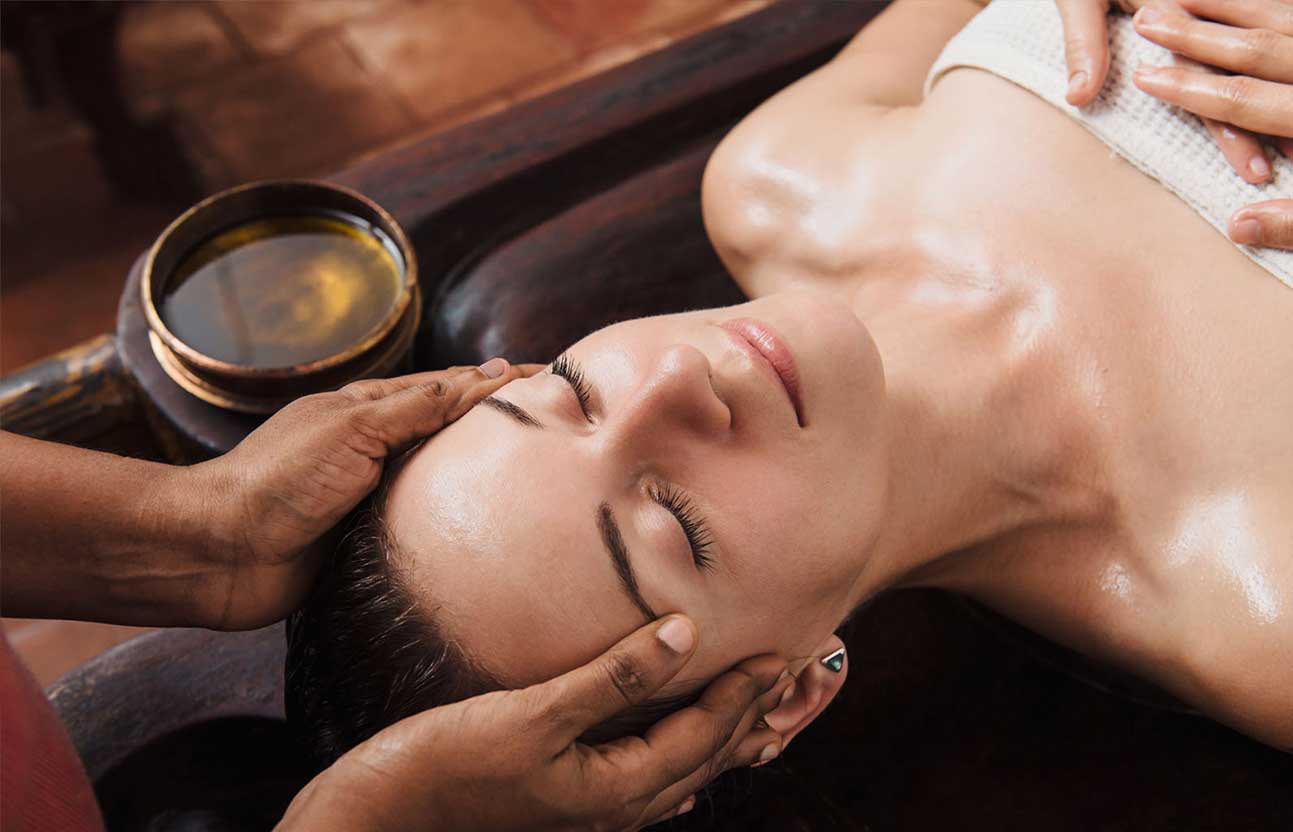
Snehana, or oleation, may involve the application or administration of medicated oils or ghee according to the prescribed treatment plan. External oleation can involve therapeutic oil application or massage, while internal oleation is administered under professional supervision.
Swedana, or therapeutic sweating, may also be used as part of the preparation process.
The exact preparation protocol varies from patient to patient and should be determined by a qualified Ayurvedic physician. Kerala Tourism describes Purvakarma as the preparatory phase before the principal Panchakarma procedures.
Pradhanakarma: The Main Panchakarma Treatment
Pradhanakarma is the principal treatment stage.
Depending on the patient's condition and Ayurvedic assessment, selected Panchakarma procedures may be recommended. Traditionally, the five major procedures associated with Panchakarma are Vamana, Virechana, Vasti, Nasya and Raktamokshana.
However, this does not mean that every patient undergoes all five procedures.
A physician determines which therapies are appropriate based on individual assessment. Some procedures may also be unsuitable for particular people or health conditions.
This personalised approach is an important aspect of traditional Ayurvedic Panchakarma treatment.
Paschatkarma: Recovery and Post-Treatment Care
The final stage is Paschatkarma, which focuses on recovery and returning gradually to normal activities.
Diet, rest and lifestyle recommendations can form an important part of this stage. Kerala Tourism describes Paschatkarma as a rehabilitation phase involving specified diet, appropriate rest and lifestyle modifications.
This stage should not be overlooked. After an intensive therapeutic programme, following the physician's recommendations can help the patient transition back to their normal routine.
For international patients, post-treatment guidance is particularly important because they may be travelling long distances shortly after completing their programme.
What Are the Five Traditional Panchakarma Procedures?
The five procedures traditionally associated with Panchakarma are Vamana, Virechana, Vasti, Nasya and Raktamokshana.
Vamana
Vamana is traditionally described as therapeutic emesis and is used within specific Ayurvedic treatment protocols. It is not a general wellness procedure and should only be considered when prescribed by a qualified Ayurvedic physician after appropriate assessment.
Virechana
Virechana is traditionally described as therapeutic purgation. It is associated with Ayurvedic approaches for managing certain Pitta-related conditions and is administered under professional supervision.
Vasti
Vasti involves the therapeutic administration of medicated preparations through the rectal route. It has an important place in traditional Ayurvedic treatment, particularly within approaches associated with Vata management.
Nasya
Nasya involves the administration of specially prepared substances through the nasal passages. In traditional Ayurveda, it is used particularly in therapies involving the head and neck region.
Raktamokshana
Raktamokshana is traditionally associated with bloodletting procedures. Kerala Tourism notes that it is not generally part of routine Panchakarma and may be recommended only in selected situations.
Because these procedures can involve significant physiological effects, they should never be attempted as self-treatment.
Panchakarma Treatment for Wellness and Specific Health Conditions
Panchakarma is often sought by people interested in Ayurvedic wellness, rejuvenation and lifestyle-based health management. Some Ayurvedic centres also offer Panchakarma as part of treatment programmes for specific chronic conditions.
Depending on the patient's assessment, Panchakarma-based programmes may be incorporated into broader Ayurvedic care for concerns involving musculoskeletal health, digestive health, stress, sleep, metabolic wellness and other conditions.
However, it is important to distinguish traditional Ayurvedic treatment claims from established clinical evidence. Scientific evidence for Ayurveda varies considerably depending on the treatment and condition, and research on many Ayurvedic approaches remains limited.
Patients with diagnosed medical conditions should therefore discuss Panchakarma with their treating doctor and qualified Ayurvedic physician rather than replacing necessary conventional medical treatment without professional guidance.
Panchakarma and Ayurvedic Detoxification
The concept of detoxification is central to how Panchakarma is traditionally presented within Ayurveda.
In the Ayurvedic framework, Panchakarma is intended to support the removal of accumulated impurities and restore balance within the body. However, the term "detox" is often used broadly in modern wellness marketing and does not necessarily have the same meaning in modern medical science.
For this reason, patients should understand Panchakarma primarily within its traditional Ayurvedic framework rather than assuming that it provides medically proven detoxification of the body.
A properly structured Panchakarma programme should involve professional assessment rather than a generic detox package.
Ayurvedic Diet During Panchakarma
Diet can play an important role throughout a Panchakarma programme.
An Ayurvedic physician may recommend a simple and easily digestible diet during different stages of treatment. The specific food plan can depend on the patient's constitution, condition and treatment stage.
During the recovery period, the diet may be gradually adjusted as the patient returns to a normal routine.
International patients should follow the diet recommended by their treating physician rather than adopting generic Panchakarma diets found online.
How Long Does Panchakarma Treatment in Kerala Take?
The duration of Panchakarma varies considerably.
Some wellness programmes may be relatively short, while comprehensive therapeutic programmes can last several weeks. Kerala Tourism notes that Panchakarma programmes are commonly structured around the three treatment stages, and some centres describe programmes of around 21 days, while also offering customised options.
The appropriate duration depends on the individual patient.
A qualified Ayurvedic physician should determine the treatment schedule after assessing the patient's health, constitution and therapeutic requirements.
Who May Consider Panchakarma Treatment in Kerala?
Panchakarma may be considered by adults seeking traditional Ayurvedic therapeutic or wellness programmes, particularly those interested in personalised approaches involving therapies, diet, rest and lifestyle changes.
It may also be considered by international visitors who want to experience structured Ayurvedic treatment in Kerala rather than a short spa-style treatment.
However, Panchakarma is not appropriate for everyone. Pregnancy, serious medical conditions, certain medications, recent surgery and other health circumstances may affect whether particular Ayurvedic procedures are suitable.
A professional assessment should therefore take place before treatment begins.
Panchakarma Treatment in Kerala for International Patients
Kerala attracts international visitors seeking Ayurvedic treatment and wellness programmes, including patients who travel specifically for longer residential Ayurveda programmes.
For an international patient, planning should begin before travelling. Medical history, current medications, previous diagnoses and relevant medical reports should be shared with the Ayurvedic physician whenever possible.
This allows the treatment team to understand the patient's health background and determine whether the proposed programme is appropriate.
International patients should also clarify the expected duration of treatment, accommodation arrangements, dietary requirements, consultation process, follow-up and travel recommendations before booking their trip.
Choosing a Panchakarma Centre in Kerala
Choosing the right facility is one of the most important decisions when planning Panchakarma treatment in Kerala, India.
Patients should look beyond attractive photographs and package prices and investigate the clinical qualifications and experience of the Ayurvedic physicians, treatment facilities, hygiene standards, accommodation, emergency arrangements and follow-up services.
Kerala Tourism provides information about Ayurveda centres and accredited service providers, which can be a useful starting point for international visitors researching facilities.
Patients should also confirm whether the centre provides physician-supervised treatment or primarily operates as a wellness resort.
Panchakarma Treatment in Kochi, Kerala
Kochi is an important location for international patients considering Ayurvedic treatment in Kerala.
The city has international air connectivity and access to healthcare, accommodation and transportation facilities. Kerala Tourism's directory of Ayurveda centres includes facilities in and around Kochi, demonstrating the availability of Ayurvedic services in the region.
For international patients, choosing a Panchakarma centre in or near Kochi can simplify airport transfers, accommodation arrangements and travel planning.
Patients may also choose centres in other parts of Kerala depending on their treatment requirements and personal preferences.
Panchakarma Treatment Cost in Kerala, India
The cost of Panchakarma treatment in Kerala varies significantly depending on the type and duration of the programme.
Factors that can influence the overall cost include the Ayurvedic physician's consultation, treatment duration, medicines, therapies, accommodation, food, diagnostic assessments and the type of facility.
A residential hospital-based Panchakarma programme can have a different cost from a wellness resort package.
International patients should request a detailed treatment quotation that clearly explains what is included and excluded before making a booking.
Is Panchakarma Safe?
Safety depends on the specific procedure, the patient's health and the quality of professional supervision.
Panchakarma should not be treated as a do-it-yourself detox programme. Procedures involving therapeutic vomiting, purgation, enemas or other intensive interventions require professional assessment and supervision.
Patients should disclose all existing medical conditions and medications to their Ayurvedic physician before treatment.
There are also broader safety considerations regarding Ayurvedic medicines. The U.S. National Center for Complementary and Integrative Health notes that some Ayurvedic preparations may contain potentially toxic levels of heavy metals such as lead, mercury or arsenic.
Therefore, patients should use medicines supplied through reputable sources and under qualified professional supervision.
Panchakarma and Modern Medical Treatment
Panchakarma and conventional medicine operate within different medical frameworks.
Some patients may explore Ayurveda as a complementary approach alongside conventional medical care. However, Panchakarma should not automatically be considered a replacement for evidence-based treatment, particularly for serious or potentially life-threatening conditions.
Patients taking prescription medication should inform both their conventional doctor and Ayurvedic physician about all medicines and supplements they use because potential interactions can occur. NCCIH also recommends considering safety and possible interactions when using complementary health products and practices.
Why Choose Kerala for Panchakarma Treatment?
Kerala's long-standing association with Ayurveda, availability of Ayurvedic institutions and treatment centres, and established tourism infrastructure have made it an important destination for people seeking traditional Ayurvedic care.
The state offers a range of environments for treatment, from Ayurvedic hospitals and clinical facilities to residential centres surrounded by quieter natural settings.
For international patients, Kerala also provides access to airports, hotels, transportation and other travel services, making it possible to combine treatment planning with a structured stay.
Panchakarma Treatment in Kerala with Medinglo
For international patients, travelling to India for Ayurveda involves more than simply selecting a treatment package.
Medinglo can assist international patients in exploring Ayurvedic treatment options in Kerala, India, helping with treatment coordination, consultations and the practical aspects of planning a medical wellness journey.
Patients can discuss their requirements, share relevant medical information and explore suitable Ayurvedic care options before travelling.
The medical treatment itself should always be planned and administered by appropriately qualified Ayurvedic professionals following an individual assessment.
Frequently Asked Questions About Panchakarma Treatment in Kerala
What is Panchakarma treatment in Kerala?
Panchakarma is a traditional Ayurvedic therapeutic approach involving a structured combination of preparatory therapies, selected principal procedures and post-treatment care. It is traditionally associated with five procedures: Vamana, Virechana, Vasti, Nasya and Raktamokshana.
How long does Panchakarma treatment take?
The duration varies depending on the individual treatment plan. Some programmes may last several days, while comprehensive programmes can extend to several weeks. A commonly described programme is around 21 days, although treatment duration can be customised.
Is Panchakarma available in Kochi?
Yes. Ayurvedic centres are available in Kochi and other parts of Kerala. Patients should assess the qualifications, facilities and treatment approach of the centre before choosing a programme.
Is Panchakarma suitable for everyone?
No. Suitability depends on the patient's age, health condition, medications and the specific procedure being considered. A qualified Ayurvedic physician should conduct an assessment before treatment.
Can international patients receive Panchakarma treatment in Kerala?
Yes. Kerala has Ayurvedic hospitals and centres that cater to visitors and international patients. International patients should arrange a medical assessment and clarify the treatment duration and travel requirements before arrival.
How much does Panchakarma cost in Kerala?
There is no universal price. Costs depend on the treatment duration, therapies, medicines, accommodation and type of facility. Patients should request a personalised quotation.
Is Panchakarma scientifically proven to treat diseases?
Evidence varies depending on the specific Ayurvedic treatment and health condition. While some Ayurvedic approaches have been studied, NCCIH notes that there is limited scientific evidence for many Ayurvedic treatments.
Conclusion
Panchakarma treatment in Kerala, India provides international visitors with an opportunity to experience a structured form of traditional Ayurvedic care within one of India's best-known Ayurveda destinations.
From Purvakarma and Pradhanakarma to Paschatkarma, Panchakarma involves a broader therapeutic process rather than a single procedure. The treatment plan can include selected Ayurvedic therapies, diet, rest, medicines and lifestyle recommendations based on individual assessment.
Kerala's established Ayurveda ecosystem, healthcare infrastructure and international tourism facilities make it an important destination for people exploring Ayurvedic treatment.
However, Panchakarma should be approached responsibly. Patients should choose qualified professionals, disclose their medical history and medications, understand what the treatment involves and avoid assuming that traditional wellness claims are equivalent to scientifically established medical outcomes.
For international patients considering Panchakarma treatment in Kerala, India, professional assessment and careful treatment planning should always come before travel.
Medical Disclaimer: This article is intended for general informational purposes only and does not constitute medical advice. Panchakarma and Ayurvedic medicines may not be appropriate for everyone. Consult a qualified Ayurvedic physician and, where appropriate, your conventional healthcare provider before starting treatment. Do not stop prescribed medication or replace necessary medical treatment without professional medical guidance.