



Living with persistent lower back pain or sciatica can affect every aspect of daily life—from walking and working to sleeping comfortably. While many patients recover with medication, physiotherapy, and lifestyle modifications, some continue to experience severe pain due to a herniated lumbar disc compressing the spinal nerves.
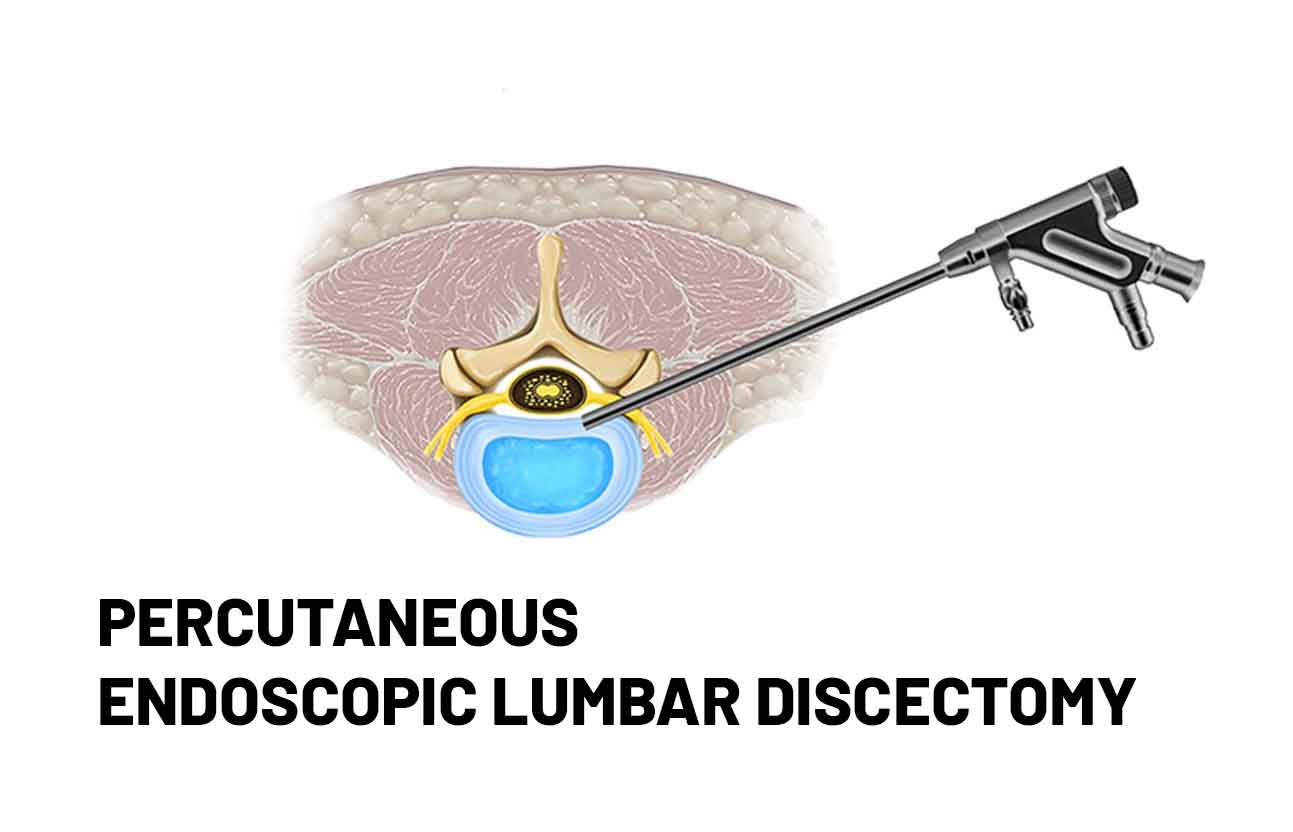
For these patients, Percutaneous Endoscopic Lumbar Discectomy (PELD) has emerged as one of the most advanced minimally invasive spine surgeries available today. Unlike traditional open spine surgery, PELD removes the damaged disc material through a tiny incision using an endoscope, allowing patients to recover faster with less pain and minimal tissue damage.
This comprehensive guide explains what PELD surgery is, who can benefit from it, how the procedure is performed, its advantages, recovery timeline, potential risks, and why India—particularly Kerala—is becoming a preferred destination for advanced endoscopic spine surgery.
What Is Percutaneous Endoscopic Lumbar Discectomy (PELD)?
Percutaneous Endoscopic Lumbar Discectomy, commonly known as PELD, is a minimally invasive surgical procedure designed to treat lumbar disc herniation. The procedure removes the portion of the herniated disc that is pressing against spinal nerves, relieving pain, numbness, and weakness while preserving most of the healthy disc and surrounding tissues.
Unlike conventional spine surgery, which often requires a large incision and muscle dissection, PELD is performed through a small skin incision using specialized endoscopic instruments and a high-definition camera. This allows surgeons to access the affected disc with remarkable precision while minimizing trauma to muscles, ligaments, and bones.
Because of its minimally invasive nature, PELD has become one of the preferred surgical options for appropriately selected patients suffering from chronic lumbar disc problems.
Understanding Lumbar Disc Herniation
The lumbar spine consists of five vertebrae separated by intervertebral discs that act as cushions between the bones. These discs help absorb shock and provide flexibility during movement.
A lumbar disc herniation occurs when the soft inner portion of a spinal disc pushes through a tear in its outer layer. This protruding disc material can compress nearby spinal nerves, leading to pain, inflammation, and neurological symptoms.
The severity of symptoms depends on the size and location of the herniation, as well as the degree of nerve compression. While many cases improve with conservative treatment, persistent nerve compression may require surgical intervention such as PELD.
Conditions Treated with PELD Surgery
Percutaneous Endoscopic Lumbar Discectomy is primarily indicated for patients with lumbar disc disorders that have not responded to non-surgical treatment. It is particularly effective in relieving nerve compression caused by disc herniation while preserving spinal stability.
PELD may be recommended for patients with:
- Lumbar disc herniation
- Herniated disc causing sciatica
- Contained or migrated disc prolapse
- Lumbar radiculopathy
- Persistent lower back pain associated with disc compression
- Leg pain due to nerve root irritation
- Recurrent lumbar disc herniation in selected cases
Not every patient with back pain is a candidate for PELD. A detailed clinical evaluation and MRI scan are essential to determine whether this procedure is appropriate.
Who Is an Ideal Candidate for PELD?
PELD is generally recommended for individuals who continue to experience significant symptoms despite several weeks or months of conservative treatment. Patients who have persistent leg pain, nerve compression, or functional limitations may benefit from this minimally invasive procedure.
An ideal candidate is someone who has:
- Persistent sciatica lasting more than six weeks
- MRI-confirmed lumbar disc herniation
- Leg pain greater than back pain
- Failure of medications and physiotherapy
- Progressive numbness or weakness
- No major spinal instability
A spine surgeon will carefully evaluate the patient's medical history, imaging studies, neurological findings, and overall health before recommending surgery.
How Is PELD Surgery Performed?
One of the major advantages of PELD is that it allows surgeons to access the affected disc without extensive muscle cutting or bone removal.
The procedure is typically performed under local anesthesia with conscious sedation or general anesthesia, depending on the patient's condition and the surgeon's preference.
A small incision—usually less than one centimeter—is made in the skin. Through this tiny opening, the surgeon inserts a specialized working tube and an endoscope equipped with a high-definition camera. Real-time imaging allows precise visualization of the herniated disc and surrounding nerves.
Using specialized microsurgical instruments, only the damaged disc material compressing the nerve is removed while preserving healthy tissues. Once adequate decompression is achieved, the instruments are removed, and the incision is closed with a single stitch or adhesive dressing.
Most procedures are completed within one to two hours.
Benefits of Percutaneous Endoscopic Lumbar Discectomy
PELD has transformed modern spine surgery by providing effective nerve decompression while significantly reducing surgical trauma. Compared with traditional open discectomy, patients often experience faster recovery, reduced postoperative pain, and shorter hospital stays.
Major advantages include:
- Tiny skin incision
- Minimal muscle injury
- Less blood loss
- Reduced postoperative pain
- Lower infection risk
- Faster recovery
- Early mobilization
- Short hospital stay
- Minimal scarring
- Preservation of spinal stability
- Earlier return to work
These benefits make PELD particularly attractive for active individuals seeking a quicker recovery.
Recovery After PELD Surgery
Recovery following PELD is generally much faster than traditional spine surgery. Many patients are encouraged to stand and walk within hours after the procedure, promoting circulation and reducing the risk of postoperative complications.
Most patients are discharged within 24 hours, depending on their overall condition and surgical outcome. Light daily activities can often be resumed within a few days, while more strenuous activities may require several weeks of gradual rehabilitation.
Physiotherapy is frequently recommended to strengthen core muscles, improve flexibility, and reduce the likelihood of recurrent disc problems. Following the surgeon's advice regarding posture, lifting techniques, exercise, and weight management plays an important role in achieving long-term success.
Are There Any Risks Associated with PELD?
Like any surgical procedure, Percutaneous Endoscopic Lumbar Discectomy carries certain risks, although complications are relatively uncommon when performed by experienced spine surgeons.
Potential risks include infection, bleeding, temporary nerve irritation, recurrent disc herniation, cerebrospinal fluid leakage, and persistent pain in rare cases. Careful patient selection, advanced surgical expertise, and proper postoperative rehabilitation significantly reduce these risks.
Patients should discuss the potential benefits and risks thoroughly with their spine specialist before making a treatment decision.
PELD Surgery Hospitals in Kerala
Kerala has become one of India's leading destinations for advanced spine care, offering modern hospitals equipped with cutting-edge endoscopic spine surgery technology and experienced orthopedic and neurosurgical specialists. Several multispecialty hospitals across Kochi, Thiruvananthapuram, Kozhikode, and other major cities now perform Percutaneous Endoscopic Lumbar Discectomy (PELD) using internationally accepted protocols and minimally invasive surgical techniques.
Patients choosing PELD surgery hospitals in Kerala benefit from high-quality healthcare, internationally trained spine surgeons, advanced diagnostic imaging, comprehensive rehabilitation services, and cost-effective treatment compared with many other countries. Kerala also offers a peaceful recovery environment, making it an attractive destination for both domestic and international patients seeking minimally invasive spine surgery.
Why Choose India for PELD Surgery?
India has emerged as a global center for minimally invasive spine surgery due to its combination of highly skilled spine surgeons, internationally accredited hospitals, advanced surgical technology, and affordable healthcare costs.
Many hospitals utilize state-of-the-art endoscopic equipment and image-guided surgical systems while maintaining treatment standards comparable to leading medical centers worldwide. Patients often receive personalized care with significantly shorter waiting periods than in many Western healthcare systems.
Additionally, treatment costs in India are substantially lower without compromising quality, making the country a preferred destination for patients seeking world-class spine surgery at affordable prices.
How Medinglo Helps Patients Seeking PELD Surgery
Navigating spine surgery in another city or country can be overwhelming without professional assistance. Medinglo simplifies the entire treatment journey by connecting patients with leading spine surgeons and reputed hospitals across India.
From reviewing medical reports and arranging specialist consultations to coordinating hospital appointments, travel, accommodation, airport transfers, and post-treatment rehabilitation, Medinglo provides comprehensive support at every stage of the patient's journey.
Our multilingual care coordinators ensure seamless communication and personalized assistance, allowing patients to focus on recovery while we manage the logistics.
Conclusion
Percutaneous Endoscopic Lumbar Discectomy (PELD) represents a major advancement in modern spine surgery, offering patients an effective solution for lumbar disc herniation with minimal surgical trauma. Its smaller incision, faster recovery, reduced pain, and preservation of normal spinal structures make it an excellent option for appropriately selected patients.
If conservative treatment has failed to relieve persistent sciatica or lumbar disc pain, consulting an experienced spine specialist can help determine whether PELD is the right treatment for you. With advanced spine centers, experienced surgeons, and affordable healthcare, India—and particularly Kerala—continues to be a trusted destination for minimally invasive spine surgery.
Frequently Asked Questions
What is Percutaneous Endoscopic Lumbar Discectomy (PELD)?
PELD is a minimally invasive spine surgery that removes herniated lumbar disc material through a small incision using an endoscope. It relieves pressure on spinal nerves while preserving healthy tissues, resulting in less pain and faster recovery compared to traditional open surgery.
Is PELD better than traditional open spine surgery?
For carefully selected patients, PELD offers several advantages over conventional open surgery, including smaller incisions, minimal muscle damage, reduced blood loss, less postoperative pain, shorter hospital stays, and quicker return to normal activities. However, the best procedure depends on the patient's condition and the surgeon's assessment.
How long does recovery take after PELD surgery?
Most patients begin walking on the same day or within a few hours after surgery. Hospital discharge usually occurs within 24 hours, and many individuals resume light daily activities within one to two weeks. Complete recovery varies depending on the patient's health, rehabilitation, and the nature of their work.
Is PELD surgery painful?
PELD is designed to minimize surgical trauma, and most patients experience significantly less postoperative pain than with traditional spine surgery. Mild discomfort around the incision site is common during the early recovery period but usually improves quickly with appropriate care.
Who is eligible for PELD surgery?
Patients with MRI-confirmed lumbar disc herniation, persistent sciatica, nerve compression symptoms, and failure of conservative treatments such as medications and physiotherapy may be suitable candidates. A spine specialist will determine eligibility after a detailed clinical evaluation.
Are PELD surgery hospitals available in Kerala?
Yes. Several advanced multispecialty hospitals in Kerala offer Percutaneous Endoscopic Lumbar Discectomy (PELD). These hospitals provide modern endoscopic spine surgery facilities, experienced orthopedic and neurosurgical specialists, advanced imaging technology, and comprehensive rehabilitation services.
Is PELD surgery available for international patients in India?
Yes. Many leading hospitals in India offer PELD surgery for international patients with comprehensive medical tourism support, including specialist consultations, treatment planning, accommodation assistance, airport transfers, interpreter services, and post-treatment follow-up through facilitators like Medinglo.