



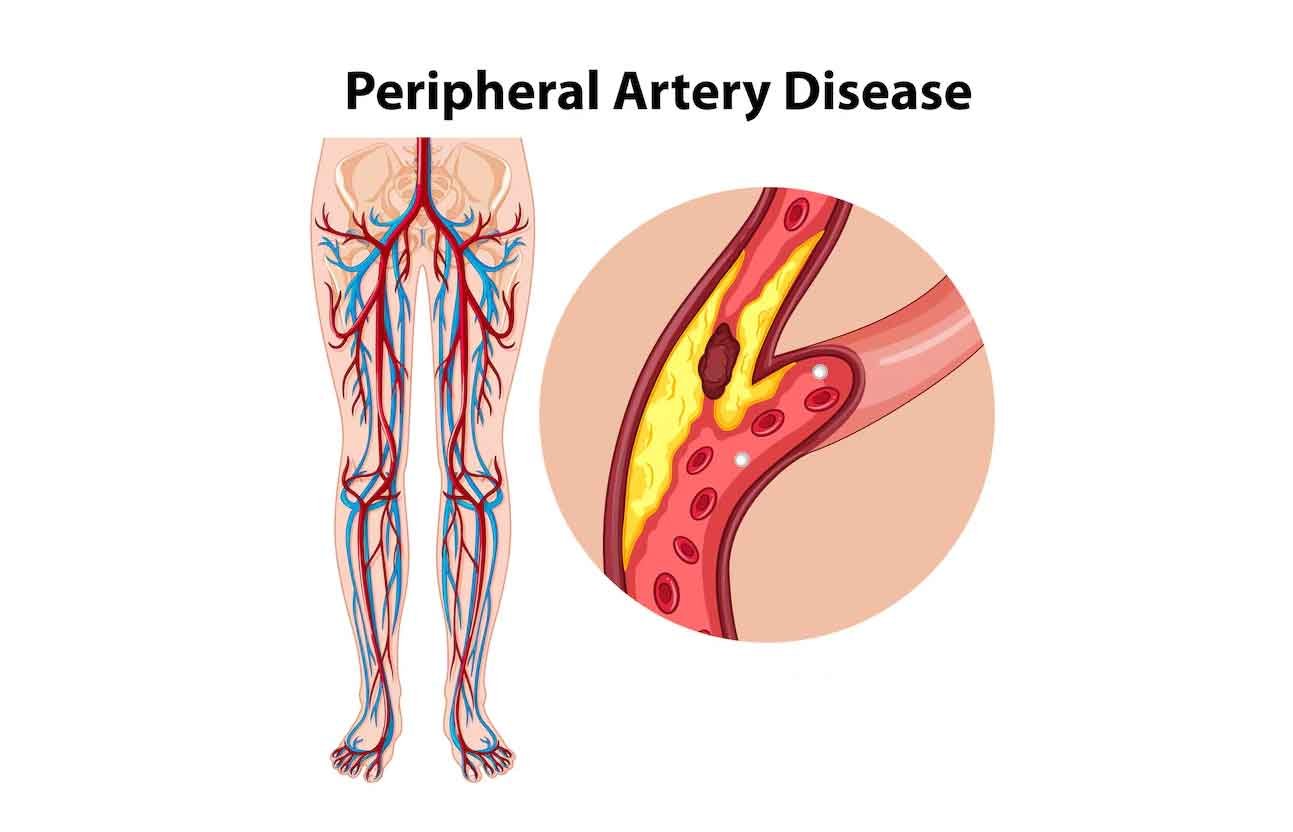
Peripheral Artery Disease (PAD), also known as Peripheral Vascular Disease (PVD), is a circulatory condition in which narrowed or blocked arteries reduce blood flow, most commonly to the legs and feet. It is usually associated with atherosclerosis, where fatty deposits and other substances build up inside the arteries.
PAD can initially cause symptoms such as leg pain while walking, tiredness, numbness or cramping. Some people may have no noticeable symptoms in the early stages. As the condition progresses, however, reduced blood flow can cause persistent pain, slow-healing wounds, skin changes and, in severe cases, tissue damage.
For patients looking for Peripheral Artery Disease treatment in Kerala, the state offers access to hospitals with vascular surgery, interventional radiology, cardiology and multidisciplinary medical services. Treatment depends on the severity and location of the arterial blockage, the patient's overall health and the risk of complications.
What Is Peripheral Artery Disease?
Peripheral Artery Disease is a condition affecting the arteries outside the heart and brain. Although PAD can affect arteries in different parts of the body, it most commonly affects the lower limbs.
Atherosclerosis is the most common cause. Over time, plaque can accumulate inside an artery and make the passage narrower. This reduces the amount of oxygen-rich blood reaching the muscles and tissues.
When a person walks or exercises, the muscles need more oxygen. If blood flow is restricted, this increased demand may cause cramping or pain in the legs. This symptom is commonly known as intermittent claudication.
In more advanced disease, blood flow may become severely restricted even when the person is resting. This can lead to persistent foot or leg pain, wounds that do not heal properly and other complications.
Peripheral Artery Disease vs Peripheral Vascular Disease
The terms Peripheral Artery Disease (PAD) and Peripheral Vascular Disease (PVD) are sometimes used interchangeably, particularly when discussing circulation problems affecting the limbs.
Strictly speaking, peripheral vascular disease can refer more broadly to disorders affecting blood vessels outside the heart and brain, including arteries and veins. PAD specifically refers to disease of the arteries, most commonly caused by atherosclerosis.
For patients searching online for Peripheral Vascular Disease treatment in Kerala, it is therefore important to understand that the appropriate diagnostic tests and treatment depend on the exact blood-vessel problem involved.
What Causes Peripheral Artery Disease?
The most common underlying cause of PAD is atherosclerosis. This occurs when plaque builds up inside the arterial walls and gradually restricts blood flow.
Several factors can increase the likelihood of developing PAD. Smoking is one of the strongest risk factors. Diabetes, high blood pressure, high cholesterol, obesity, physical inactivity and increasing age can also contribute to arterial disease.
People who already have cardiovascular disease may also have a higher risk of PAD because atherosclerosis can affect multiple parts of the circulatory system.
Managing these risk factors is therefore an important part of both PAD treatment and long-term prevention.
What Are the Symptoms of PAD?
Peripheral Artery Disease does not cause obvious symptoms in everyone. Some patients may have significant arterial narrowing without experiencing typical leg pain.
When symptoms occur, one of the most common is pain, cramping or heaviness in the calf, thigh or buttock while walking or exercising. The discomfort may improve after resting and return when activity begins again.
Other possible symptoms include numbness or weakness in the legs, coldness in one foot compared with the other, changes in skin colour, reduced hair growth on the legs, slow-growing toenails and wounds or ulcers on the feet or legs that take a long time to heal.
Severe PAD may cause pain even while resting, particularly at night. A non-healing wound, blackened tissue or sudden severe pain can indicate a serious reduction in blood supply and requires urgent medical assessment.
When Should You See a PAD Specialist?
Persistent leg pain while walking should not automatically be attributed to ageing or muscle problems. It can sometimes be a sign of reduced arterial blood flow.
Patients should consider medical evaluation if they experience recurring leg cramps during walking, unexplained numbness or weakness, changes in foot colour or temperature, wounds that heal slowly, or pain that repeatedly limits normal activities.
People with diabetes, a history of smoking, high cholesterol, hypertension or known cardiovascular disease may also benefit from discussing their vascular health with a doctor.
Early diagnosis can be particularly important because PAD may indicate a higher risk of cardiovascular events elsewhere in the body.
How Is Peripheral Artery Disease Diagnosed?
Diagnosis usually begins with a medical history and physical examination. The doctor may check pulses in the legs and feet, examine the skin and look for signs of reduced circulation.
One of the most commonly used tests is the Ankle-Brachial Index (ABI). This compares blood pressure measured at the ankle with blood pressure measured at the arm and can help identify reduced blood flow to the lower limbs.
Depending on the findings, doctors may recommend additional imaging. Doppler or duplex ultrasound can assess blood flow and identify areas of narrowing or blockage. CT angiography or MR angiography may provide more detailed images of the arteries when planning an intervention.
In selected cases, conventional catheter angiography may be performed, particularly when an endovascular procedure is being considered.
Peripheral Artery Disease Treatment in Kerala
The appropriate PAD treatment in Kerala depends on the severity of arterial disease, the location and extent of blockages, symptoms, overall cardiovascular risk and whether there is tissue-threatening ischemia.
Treatment may begin with lifestyle changes and medication. Patients with more significant symptoms or severe arterial narrowing may require procedures to restore blood flow.
Modern treatment options include minimally invasive endovascular procedures such as angioplasty and stenting, as well as surgical bypass procedures when appropriate.
A vascular surgeon, interventional radiologist or other vascular specialist can determine which approach is suitable after reviewing the diagnostic results.
Lifestyle Changes and Medical Management
For many patients, treatment begins with addressing cardiovascular risk factors.
Stopping smoking is one of the most important steps for people with PAD. Regular physical activity, when medically appropriate, can also improve walking ability and cardiovascular health. A structured walking programme may be recommended for patients with intermittent claudication.
Managing diabetes, blood pressure and cholesterol is equally important. Doctors may prescribe medications to reduce cardiovascular risk, prevent blood clots or manage associated conditions.
Lifestyle management does not simply treat the symptoms of PAD. It forms an important part of long-term vascular care and can help reduce the risk of disease progression and cardiovascular complications.
Medications for Peripheral Artery Disease
Medication may form an important part of PAD management. Depending on the patient's condition, doctors may prescribe antiplatelet medicines to reduce the risk of blood clots and medications to control cholesterol and other cardiovascular risk factors.
Statins are commonly used in patients with atherosclerotic cardiovascular disease to reduce LDL cholesterol and cardiovascular risk.
Some patients with intermittent claudication may also be considered for specific medications to improve walking symptoms, depending on their medical history and whether there are contraindications.
Medication should always be prescribed and monitored by a qualified doctor. Patients should not start, stop or change cardiovascular medications without medical advice.
Angioplasty for Peripheral Artery Disease
When an artery is significantly narrowed or blocked, angioplasty may be considered to improve blood flow.
During the procedure, a catheter is usually introduced through a blood vessel and guided toward the narrowed artery. A small balloon can then be inflated at the site of narrowing to improve the diameter of the artery.
In some situations, a stent may be placed to help maintain blood flow through the treated segment.
Angioplasty is a minimally invasive treatment and may be appropriate for selected patients, particularly when symptoms are significantly affecting daily activities or when there is a severe reduction in blood flow.
The suitability of angioplasty depends on factors such as the location, length and complexity of the arterial blockage.
Stent Treatment for Peripheral Artery Disease
A stent is a small mesh-like device that can be placed inside an artery to help keep it open after treatment.
Not every patient with PAD requires a stent. Some arterial blockages can be treated with balloon angioplasty alone, while others may require additional intervention.
The decision depends on the characteristics of the blockage, the artery involved, the patient's symptoms and the treating specialist's assessment.
Patients considering PAD treatment in India should ask their vascular specialist why a particular intervention is being recommended and what alternative treatment options may be available.
Bypass Surgery for Peripheral Artery Disease
In patients with extensive or complex arterial blockages, vascular bypass surgery may be considered.
A bypass creates an alternative route for blood to flow around the blocked section of an artery. The surgeon may use a patient's own vein or a suitable synthetic graft, depending on the procedure and individual circumstances.
Bypass surgery is generally more invasive than endovascular treatment, and the appropriate choice depends on the patient's anatomy, disease severity, overall health and expected benefits.
In some patients, bypass may provide a more suitable or durable method of restoring blood flow, particularly when the arterial disease is extensive.
Treatment for Severe or Critical Limb Ischemia
Advanced PAD can result in a serious reduction in blood flow known as chronic limb-threatening ischemia. Patients may experience persistent pain at rest, non-healing ulcers or tissue loss.
This stage requires urgent specialist assessment because severe loss of blood supply can threaten the affected limb.
Treatment may involve revascularization through angioplasty, stenting or bypass surgery, depending on the anatomy and the patient's overall condition. Wound care, infection management, diabetes control and other supportive treatments may also be necessary.
Patients with blackened toes, rapidly worsening wounds, severe resting pain or signs of infection should seek urgent medical attention rather than waiting for a routine appointment.
Advanced Vascular Care in Kerala
Kerala has developed a strong healthcare infrastructure that includes multispecialty hospitals, vascular surgery departments, interventional radiology services and cardiovascular centres.
Patients looking for Peripheral Artery Disease treatment in Kerala can access different levels of vascular care depending on their individual needs. Hospitals may provide diagnostic vascular imaging, minimally invasive interventions, vascular surgery, wound management and rehabilitation services.
For international patients, the availability of multiple medical specialties within large hospitals can also be useful when PAD occurs alongside diabetes, heart disease, kidney disease or other chronic conditions.
Why Consider Kerala, India for PAD Treatment?
Kerala is one of India's established healthcare destinations and attracts patients from different parts of India as well as international markets.
For patients considering Peripheral Artery Disease treatment in India, Kerala offers access to hospitals with specialist departments and modern diagnostic and interventional facilities.
The state is also well connected by air, with international airports serving major cities including Kochi, Thiruvananthapuram and Kozhikode.
However, choosing a hospital should be based on the patient's specific medical needs rather than location alone. The expertise of the vascular team, hospital facilities, availability of emergency care and experience with the required procedure should all be considered.
Medical Tourism for Peripheral Artery Disease Treatment in Kerala
International patients travelling to Kerala for PAD treatment need to consider more than the medical procedure itself.
Before travelling, patients should ideally have their medical records, imaging reports, medication lists and previous treatment details reviewed by the treating specialist. This can help the hospital determine which investigations may be required after arrival and whether an intervention is appropriate.
Patients should also understand the expected hospital stay, procedure options, recovery period, rehabilitation requirements and follow-up arrangements.
For international patients, coordinating these details in advance can make the treatment journey more organized and reduce unnecessary delays.
Choosing the Right Hospital for PAD Treatment in Kerala
The choice of hospital can have an important impact on the overall treatment experience.
Patients should consider whether the hospital has experienced vascular surgeons and interventional specialists, appropriate imaging facilities, catheterization or endovascular capabilities, vascular surgery services and access to intensive care when required.
It is also important to understand whether the hospital can manage associated conditions such as diabetes, hypertension, kidney disease and cardiovascular problems.
A good treatment plan should be based on a complete evaluation rather than simply selecting a procedure because it appears to be minimally invasive or less expensive.
How Medinglo Can Help International Patients
For patients travelling to India for Peripheral Artery Disease treatment, arranging medical care from another country can involve multiple logistical challenges.
Medinglo helps international patients explore suitable hospitals and specialists in India and coordinate different stages of their medical journey. This can include collecting medical records, arranging consultations, coordinating treatment plans and assisting with travel, accommodation and local transportation.
For patients travelling from GCC countries, Arabic-speaking assistance can also help simplify communication during the treatment journey.
The objective is to help patients understand their treatment options and coordinate their healthcare journey while leaving medical decisions to qualified specialists.
Recovery and Follow-Up After PAD Treatment
Recovery depends largely on the treatment performed and the patient's overall health. Patients undergoing angioplasty may have a shorter recovery period than those undergoing open bypass surgery, although individual recovery varies.
After treatment, ongoing management of cardiovascular risk factors remains important. Patients may need continued medication, follow-up vascular assessments, walking programmes and lifestyle changes.
Smoking cessation, diabetes control, cholesterol management and regular physical activity can play an important role in protecting vascular health.
Patients travelling internationally should also have a clear follow-up plan before returning home, including information about medications, wound care, activity restrictions and when further medical review is required.
Can Peripheral Artery Disease Be Prevented?
Not every case of PAD can be prevented, but many of its major risk factors can be managed.
Avoiding tobacco, maintaining healthy cholesterol and blood pressure levels, controlling diabetes, maintaining a healthy weight and engaging in regular physical activity can reduce cardiovascular risk.
A balanced diet that supports cardiovascular health can also be beneficial. People with existing cardiovascular risk factors should have regular medical assessments and follow their doctor's recommendations.
Prevention is particularly important because PAD is not only a problem affecting the legs. It can be a sign of atherosclerosis affecting blood vessels throughout the body.
Frequently Asked Questions About Peripheral Artery Disease Treatment
What is the best treatment for Peripheral Artery Disease?
There is no single treatment that is best for every patient. Depending on the severity of PAD, treatment may include lifestyle changes, supervised exercise, medication, angioplasty, stenting or bypass surgery. A vascular specialist can determine the most appropriate approach after evaluating the patient's symptoms and arterial imaging.
Can Peripheral Artery Disease be cured?
PAD caused by atherosclerosis is generally considered a chronic condition. Treatment can improve blood flow, reduce symptoms, improve walking ability and, in severe cases, help protect the limb. Long-term management of cardiovascular risk factors remains important even after a successful procedure.
Is angioplasty better than bypass surgery for PAD?
Neither treatment is universally better. Angioplasty is less invasive and may be appropriate for certain blockages, while bypass surgery may be more suitable for extensive or complex arterial disease. The decision depends on the patient's anatomy, symptoms, health and expected long-term benefits.
Is Peripheral Artery Disease dangerous?
PAD can become serious, particularly when blood flow is severely restricted. Advanced disease can cause non-healing wounds, tissue loss and chronic limb-threatening ischemia. PAD is also associated with an increased risk of cardiovascular disease, making medical evaluation and risk-factor management important.
How long does PAD treatment take in Kerala?
The duration depends on the diagnostic tests and treatment required. A patient undergoing evaluation and minimally invasive treatment may have a shorter hospital stay, while bypass surgery and complex cases may require a longer recovery period. International patients should discuss the expected treatment timeline with the hospital before travelling.
Can PAD be treated without surgery?
Some patients can manage PAD without an operation through smoking cessation, structured exercise, medication and control of cardiovascular risk factors. However, patients with severe symptoms, critical ischemia or tissue-threatening disease may require a procedure to restore blood flow.
When should I seek urgent treatment for PAD?
Severe or rapidly worsening leg or foot pain, pain at rest, a non-healing wound, sudden colour changes, coldness of the limb, blackened tissue or signs of infection can indicate a serious circulation problem. These symptoms require urgent medical assessment.
Start Your PAD Treatment Journey in Kerala
Peripheral Artery Disease (PAD) is a condition that should not be ignored. Early diagnosis and appropriate management can help reduce symptoms, improve mobility and lower the risk of serious complications.
For patients considering Peripheral Artery Disease treatment in Kerala, India offers access to vascular specialists, advanced diagnostic facilities and both minimally invasive and surgical treatment options.
Medinglo can assist international patients in exploring suitable hospitals and specialists, arranging consultations and coordinating the practical aspects of their medical journey in Kerala and across India.
If you are considering PAD or Peripheral Vascular Disease treatment in Kerala, begin with a specialist evaluation and a personalized treatment plan based on your medical condition.
Medical Disclaimer: This article is intended for general educational purposes and does not constitute medical advice or a diagnosis. Peripheral Artery Disease can become serious and requires evaluation by a qualified healthcare professional. Treatment options vary between patients. Do not stop or change prescribed medication without consulting your doctor.