



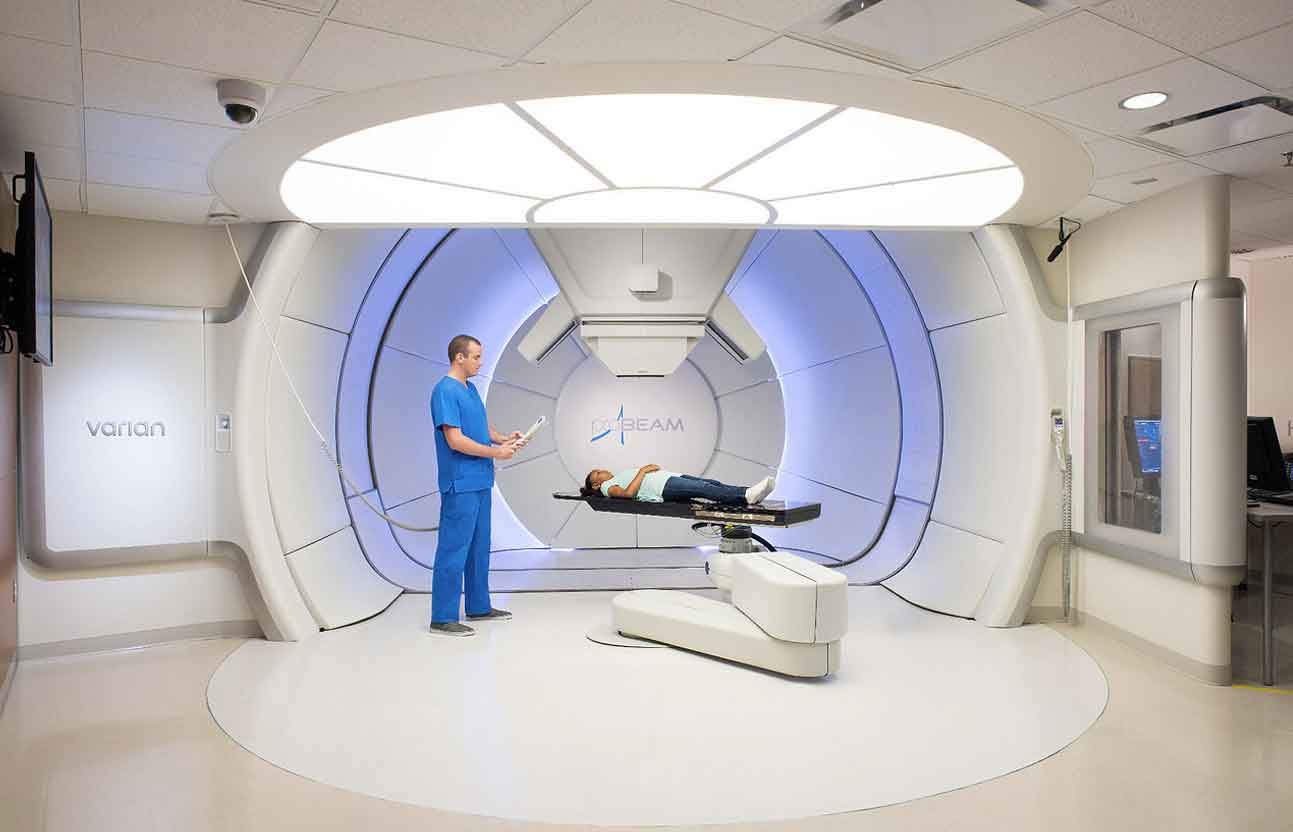
Cancer treatment has advanced significantly with the development of more precise radiation technologies. One of the most sophisticated forms of radiation treatment available today is proton therapy, which uses high-energy proton beams to target cancer cells while potentially reducing radiation exposure to surrounding healthy tissues.
For patients and families exploring proton therapy for cancer treatment in India, this technology can be an important option in carefully selected cases, particularly when a tumour is located close to sensitive organs or when reducing radiation exposure to healthy tissue is especially important.
Unlike conventional radiation therapy, which generally uses X-rays or photons, proton therapy uses positively charged particles called protons. These particles have a distinctive physical property that allows radiation oncologists to control where much of their energy is deposited within the body. This characteristic can be particularly valuable when treating tumours located near critical structures such as the brain, spinal cord, eyes, heart and other sensitive organs.
India has developed capabilities in proton therapy, giving patients from India and overseas access to this advanced form of radiation oncology without necessarily travelling to Europe, North America or other international destinations for treatment.
What Is Proton Therapy?
Proton therapy is an advanced form of radiation therapy that uses high-energy protons instead of conventional X-rays to treat cancer.
The major difference lies in how the radiation energy is delivered. Conventional photon radiation continues beyond the tumour and deposits radiation along its path. Proton beams can be planned to deposit a large proportion of their energy at a specific depth, an effect known as the Bragg Peak.
This physical characteristic allows radiation oncologists to design treatment plans that concentrate radiation around the tumour while attempting to reduce unnecessary radiation exposure to surrounding healthy tissues.
Proton therapy is therefore particularly relevant when a tumour is situated close to organs where avoiding or reducing radiation exposure is clinically important.
However, proton therapy is not automatically the best treatment for every cancer patient. The decision depends on the cancer type, tumour location, stage, previous treatment, overall health and the expected benefit of proton therapy compared with other available radiation techniques.
How Does Proton Therapy Work?
Proton therapy works by accelerating protons to high energies and directing them toward the tumour.
The treatment team uses detailed imaging to understand the exact location, size and shape of the tumour and its relationship to nearby organs. This information is incorporated into a highly personalised treatment plan.
The distinctive feature of protons is their energy deposition pattern. Instead of continuing to deliver radiation after passing through the target, proton beams can be planned so that their maximum energy is delivered at the intended depth.
This is known as the Bragg Peak and is one of the fundamental physical advantages of proton therapy. It allows radiation oncologists to shape the radiation dose around the tumour while limiting unnecessary exposure beyond it.
Modern proton therapy can also incorporate advanced techniques such as Pencil Beam Scanning and Intensity-Modulated Proton Therapy (IMPT). These technologies allow the treatment team to control the proton beam with a high degree of precision and shape the radiation dose according to the tumour's three-dimensional characteristics.
Proton Therapy vs Conventional Radiation Therapy
Both proton therapy and conventional radiation therapy are forms of radiation treatment used to destroy cancer cells.
The important difference is the type of radiation used and how energy is deposited within the body.
Conventional radiation therapy generally uses photons, such as X-rays. Photons deliver radiation before, through and beyond the tumour.
Proton therapy uses positively charged protons whose energy deposition can be controlled so that the majority of the dose is concentrated at a predetermined depth.
This can potentially reduce radiation exposure to healthy tissues located beyond the tumour. This consideration is particularly important when the tumour is close to sensitive organs or when the patient is expected to live for many years after treatment.
The choice between proton therapy and other radiation technologies should therefore be based on an individual treatment plan rather than assuming that proton therapy is universally superior.
Why Is Proton Therapy Used for Cancer Treatment?
The primary reason for considering proton therapy is the ability to deliver radiation with a high degree of precision.
Doctors may consider proton therapy when a tumour is located near critical structures such as the brainstem, spinal cord, optic nerves, eyes or other important organs.
It may also be considered for certain paediatric cancers because children are more sensitive to the long-term effects of radiation exposure and have many years of life ahead of them.
Another situation in which proton therapy may be considered is re-irradiation, where a patient has previously received radiation treatment in the same or nearby area. In such situations, reducing radiation exposure to previously treated healthy tissues can be particularly important.
The potential benefit is therefore not simply "more powerful radiation." Instead, proton therapy can provide an opportunity to deliver the required radiation dose while attempting to minimise unnecessary exposure to surrounding normal tissues.
What Types of Cancer Can Be Treated with Proton Therapy?
Proton therapy can be considered for several types of solid tumours. Its usefulness depends heavily on the location and characteristics of the individual tumour.
Brain and Central Nervous System Tumours
Brain tumours are among the conditions in which radiation precision can be especially important because the tumour may be located close to structures responsible for vision, movement, hormone regulation and other neurological functions.
Proton therapy may be considered for selected brain and central nervous system tumours, including certain gliomas, meningiomas, craniopharyngiomas and skull-base tumours.
Head and Neck Cancers
Head and neck tumours can be located close to the eyes, brain, salivary glands, spinal cord and other sensitive structures.
In carefully selected cases, proton therapy can help radiation oncologists design treatment plans that attempt to protect surrounding normal tissues while treating the tumour.
Paediatric Cancers
Children are an important group for whom proton therapy may be considered.
Because children are still developing and may have many decades of life after cancer treatment, reducing unnecessary radiation exposure to normal tissues can be particularly important.
Proton therapy may therefore be considered for selected childhood cancers where radiation is required.
Eye and Orbital Tumours
Tumours involving the eye or structures around the eye require particularly careful radiation planning because preserving vision and nearby delicate structures can be important treatment considerations.
Proton therapy may be considered for selected ocular tumours, including intraocular melanoma and certain orbital tumours.
Prostate Cancer
Proton therapy may be considered for selected prostate cancer patients. The ability to control the radiation dose can be useful when attempting to limit exposure to nearby structures such as the rectum and bladder.
However, whether proton therapy provides a meaningful advantage over other modern radiation techniques depends on the individual patient and treatment plan.
Breast Cancer
In selected breast cancer cases, particularly when the tumour is on the left side and close to the heart, proton therapy may be considered to reduce radiation exposure to the heart and lungs.
The suitability depends on the patient's anatomy, cancer characteristics and the expected dosimetric benefit compared with other radiation techniques.
Lung and Thoracic Cancers
For tumours in the chest, reducing radiation exposure to healthy lung tissue, the heart and other nearby structures can be an important consideration.
Proton therapy may therefore be evaluated for selected lung and thoracic cancers, particularly where precise radiation delivery could provide a clinical advantage.
Gastrointestinal Cancers
Tumours involving the liver, pancreas, oesophagus and other gastrointestinal structures can be close to sensitive organs.
In selected cases, proton therapy may allow the radiation team to design a treatment plan that limits unnecessary radiation exposure to surrounding organs.
Sarcomas
Sarcomas can develop in different parts of the body and may sometimes be located close to critical structures.
Proton therapy can be considered in selected sarcoma cases where precise radiation delivery is important for achieving tumour control while limiting radiation exposure to nearby normal tissues.
Proton Therapy for Children with Cancer
Paediatric cancer treatment requires special consideration because children's bodies are still growing and developing.
Radiation exposure to healthy developing tissues can potentially contribute to long-term complications. For this reason, reducing unnecessary radiation exposure is an important objective when radiation therapy is required.
Proton therapy can be considered for selected children because of its ability to control where radiation energy is deposited.
Depending on the cancer type and location, reducing radiation exposure to healthy tissues may help lower the risk of certain long-term effects.
However, the treatment decision must be made by a specialised paediatric oncology and radiation oncology team after evaluating the individual child's diagnosis and treatment requirements.
What Is the Proton Therapy Treatment Process in India?
The proton therapy journey usually begins with a detailed review of the patient's cancer diagnosis.
Medical records, pathology reports, previous radiation treatment, chemotherapy history and imaging studies may be reviewed before determining whether proton therapy could be appropriate.
Advanced imaging such as CT, MRI or PET-CT may be used to determine the exact location and extent of the tumour.
Once the medical team determines that proton therapy is appropriate, a personalised radiation treatment plan is developed.
A multidisciplinary team can include radiation oncologists, medical physicists, dosimetrists, radiologists and other cancer specialists. Their role is to determine the appropriate radiation dose and beam arrangement while considering nearby organs and critical structures.
Before treatment begins, the patient may undergo a simulation session. Special positioning or immobilisation devices can be created to ensure that the patient is positioned consistently during treatment.
The treatment plan is then prepared and reviewed before the actual proton therapy sessions begin.
How Long Does Proton Therapy Treatment Take?
The duration of proton therapy varies according to the cancer type, stage, treatment objective and prescribed radiation schedule.
According to the information provided by Apollo Proton Cancer Centre, treatment sessions may be delivered once daily, five days a week, with treatment schedules commonly extending over several weeks depending on the individual case.
Individual treatment schedules can differ considerably, so patients should not assume that every proton therapy programme will require the same number of sessions.
The actual proton beam delivery during a session may take only a few minutes, although the total time in the treatment room can be longer because of patient positioning, imaging and safety checks. Apollo's patient information states that sessions typically last around 15–30 minutes.
Is Proton Therapy Painful?
Proton therapy itself is generally described as a non-invasive treatment.
The patient does not undergo an incision or surgical procedure to receive the radiation. During treatment, the patient usually lies in a predetermined position while the proton beam is delivered.
The treatment itself is not normally painful, although patients can experience side effects depending on the area being treated and the total radiation dose.
For example, patients receiving radiation near the head and neck may experience different effects from patients receiving treatment to the abdomen or pelvis.
The oncology team monitors patients throughout the treatment course and manages side effects when they occur.
Benefits of Proton Therapy for Cancer
One of the major potential benefits of proton therapy is its ability to deliver radiation with a high level of precision.
The Bragg Peak allows the treatment team to control where much of the proton beam's energy is deposited. This can help reduce unnecessary radiation exposure to tissues beyond the tumour.
This can be particularly relevant when the tumour is close to sensitive organs.
Another potential benefit is the possibility of reducing the amount of healthy tissue exposed to radiation, which may help reduce certain short- or long-term treatment-related effects in appropriate patients.
For children, reducing unnecessary radiation exposure can be particularly important because of the potential for long-term effects on developing tissues.
However, the benefits depend on the specific cancer and treatment plan. Proton therapy should not be considered a guarantee of fewer side effects or improved survival for every patient.
Proton Therapy Side Effects
Although proton therapy can reduce radiation exposure to some surrounding healthy tissues, it is still a form of radiation therapy and can cause side effects.
The side effects depend largely on the part of the body being treated, the radiation dose and the patient's individual health.
Patients may experience tiredness, skin reactions or other local effects depending on the treatment area.
For example, radiation treatment involving the head and neck can affect tissues associated with swallowing or salivary function, while treatment involving the abdomen or pelvis can produce different symptoms.
Patients who have questions about possible side effects should discuss them with their radiation oncologist before treatment begins.
The treatment team can explain the expected short-term and long-term risks based on the individual treatment plan.
Who Is a Suitable Candidate for Proton Therapy?
Not every cancer patient requires proton therapy.
Eligibility is determined after considering several factors, including the type and stage of cancer, tumour size and location, proximity to critical organs, age, general health and previous cancer treatments.
A patient who has previously received radiation therapy may require particularly careful evaluation before another course of radiation is considered.
Advanced imaging and treatment planning can help doctors determine whether proton therapy offers a meaningful advantage over other available radiation techniques.
The most important question is not simply whether proton therapy is available, but whether it is appropriate and beneficial for the individual patient.
Proton Therapy for International Patients in India
India has become an important destination for patients seeking advanced cancer treatment.
For international patients, access to proton therapy in India can provide an opportunity to undergo sophisticated radiation treatment while receiving comprehensive oncology care.
Patients travelling from the Middle East, Asia, Africa and other regions may explore India for cancer diagnosis and treatment, depending on their medical requirements.
International patients should arrange a medical evaluation before travelling whenever possible. Medical records, pathology reports, previous treatment information and imaging should be shared with the treating hospital so that the oncology team can determine the appropriate treatment approach.
Proton Therapy in India: Why Medical Evaluation Is Important
Patients researching proton therapy in India may find information online describing the treatment as highly precise or advanced.
However, the availability of proton therapy does not mean that it is appropriate for every cancer.
A multidisciplinary cancer team should review the patient's diagnosis and determine whether proton therapy provides a meaningful clinical or dosimetric advantage.
In some cases, conventional radiotherapy or other advanced photon-based techniques may provide excellent tumour control and may be more appropriate.
The decision should therefore be based on the patient's medical condition and treatment plan rather than on the technology alone.
Proton Therapy in Chennai, India
Chennai is an important centre for advanced cancer treatment in India and is home to the Apollo Proton Cancer Centre, which describes itself as the first proton therapy centre in South Asia and the Middle East.
The centre provides proton therapy alongside other cancer treatment services, including medical oncology, radiation oncology and surgical oncology.
According to the centre's published information, its proton therapy programme incorporates technologies such as Pencil Beam Scanning, Intensity-Modulated Proton Therapy, image guidance and other treatment-planning systems.
For patients considering proton therapy in India, Chennai can therefore be one of the locations to explore when seeking specialised proton-based radiation treatment.
Cost of Proton Therapy in India
The cost of proton therapy in India can vary significantly depending on the patient's cancer type, treatment area, number of sessions, treatment complexity, imaging requirements and whether additional cancer treatments are required.
The overall treatment cost may include consultation, imaging, treatment planning, proton therapy sessions, medical supervision and follow-up care.
International patients should also consider accommodation, transportation and other medical travel expenses when planning their overall budget.
Because proton therapy requires highly specialised equipment and treatment planning, it can be more expensive than some conventional radiation treatments.
Patients should request an individual treatment estimate after their medical records have been reviewed by the treating oncology team.
Proton Therapy and Other Cancer Treatments
Cancer treatment is often multidisciplinary.
Depending on the diagnosis, proton therapy may be used as part of a broader treatment plan that can include surgery, chemotherapy, immunotherapy, targeted therapy or other forms of radiation.
For some cancers, surgery may be performed before radiation. In other situations, radiation may be combined with chemotherapy or other systemic treatments.
The appropriate combination depends on the cancer type, stage and individual patient factors.
A multidisciplinary oncology team can assess the available options and determine how proton therapy fits into the overall treatment strategy.
Why Choose India for Proton Therapy?
For patients considering proton therapy for cancer treatment in India, the country offers access to advanced oncology infrastructure and specialist cancer teams.
India's major cancer centres provide a range of treatment options, allowing patients to undergo diagnosis, treatment planning and multidisciplinary cancer care within an integrated healthcare environment.
The availability of proton therapy in India also means that some patients who previously needed to travel internationally for access to this technology can explore treatment options closer to home.
For international patients, factors such as hospital accreditation, oncology expertise, proton technology, treatment planning capabilities, rehabilitation, international patient services and follow-up arrangements should all be considered when selecting a treatment centre.
How Medinglo Can Help International Cancer Patients
For patients travelling to India for cancer treatment, arranging medical care in another country can involve multiple steps.
Medinglo can help international patients explore suitable cancer treatment options in India, coordinate medical consultations, assist with hospital communication and support the broader medical travel process.
Patients can share their medical reports, pathology results and previous treatment information for an initial review. The treating oncology team can then determine whether proton therapy or another cancer treatment approach may be appropriate.
The final diagnosis and treatment decision should always be made by a qualified oncology team following a detailed medical evaluation.
Frequently Asked Questions About Proton Therapy
What is proton therapy for cancer?
Proton therapy is an advanced form of radiation therapy that uses high-energy protons to deliver radiation to a tumour. Its physical characteristics allow the radiation dose to be concentrated at a specific depth, potentially reducing exposure to surrounding healthy tissues.
Is proton therapy better than conventional radiation?
Not necessarily for every patient. Proton therapy can offer important advantages in selected cancers, particularly when a tumour is close to critical organs. The best radiation treatment depends on the patient's individual diagnosis and treatment plan.
Which cancers can be treated with proton therapy?
Proton therapy may be used for selected brain, central nervous system, head and neck, eye, prostate, breast, lung, gastrointestinal, paediatric and other tumours. Suitability depends on the tumour's location, size, stage and relationship to nearby organs.
Is proton therapy painful?
Proton therapy is a non-invasive radiation treatment and is generally not painful during delivery. However, radiation treatment can cause side effects depending on the area being treated and the prescribed dose.
How long does proton therapy take?
Treatment schedules vary. Proton therapy may be delivered once a day, typically five days per week, over several weeks depending on the cancer and treatment plan.
How much does proton therapy cost in India?
There is no single fixed cost. The price depends on the cancer type, treatment plan, number of sessions, complexity, imaging, treatment planning and other medical requirements. An individual estimate should be obtained from the treating hospital.
Can international patients get proton therapy in India?
Yes. International patients can explore proton therapy and other cancer treatment options in India. A medical evaluation should be completed before travel whenever possible so that the treating team can assess the diagnosis and determine whether proton therapy is appropriate.
Conclusion
Proton therapy for cancer treatment in India represents an important advancement in radiation oncology, particularly for cancers where precise radiation delivery is important.
Its unique physical properties allow proton beams to deposit a large proportion of their energy at a planned depth, potentially reducing unnecessary radiation exposure to healthy tissues beyond the tumour. This can be especially valuable for tumours located close to critical organs and for selected paediatric and previously irradiated cases.
India's growing access to proton therapy provides patients with another option when evaluating advanced cancer treatment. However, proton therapy is not a universal replacement for conventional radiation therapy. The most appropriate treatment depends on the patient's cancer type, stage, location, previous treatments, overall health and detailed treatment planning.
For patients from India and overseas who are considering proton therapy in India, a consultation with a specialist radiation oncologist and a multidisciplinary cancer team is the most important first step.
Medical Disclaimer: This article is intended for general educational and informational purposes and should not be considered medical advice. Proton therapy may not be suitable for every cancer patient. Treatment options, benefits, risks, side effects, costs and outcomes vary between individuals. Patients should consult a qualified oncologist before making decisions about cancer treatment.