



Chronic neck pain, lower back pain, sciatica, slipped discs, and nerve compression disorders affect millions of people worldwide. While painkillers and injections may offer temporary relief, many patients continue to struggle with recurring symptoms because the underlying spinal problem remains untreated.
Today, Spinal Decompression Therapy in Kerala, India is emerging as one of the most sought-after non-surgical treatments for spinal disorders. This advanced therapy is designed to relieve pressure on compressed spinal discs and nerves, helping patients recover naturally without surgery.
With modern rehabilitation centers, experienced spine specialists, and affordable treatment costs, Kerala has become a preferred destination for individuals seeking effective spine care and long-term pain relief.
What Is Spinal Decompression Therapy?
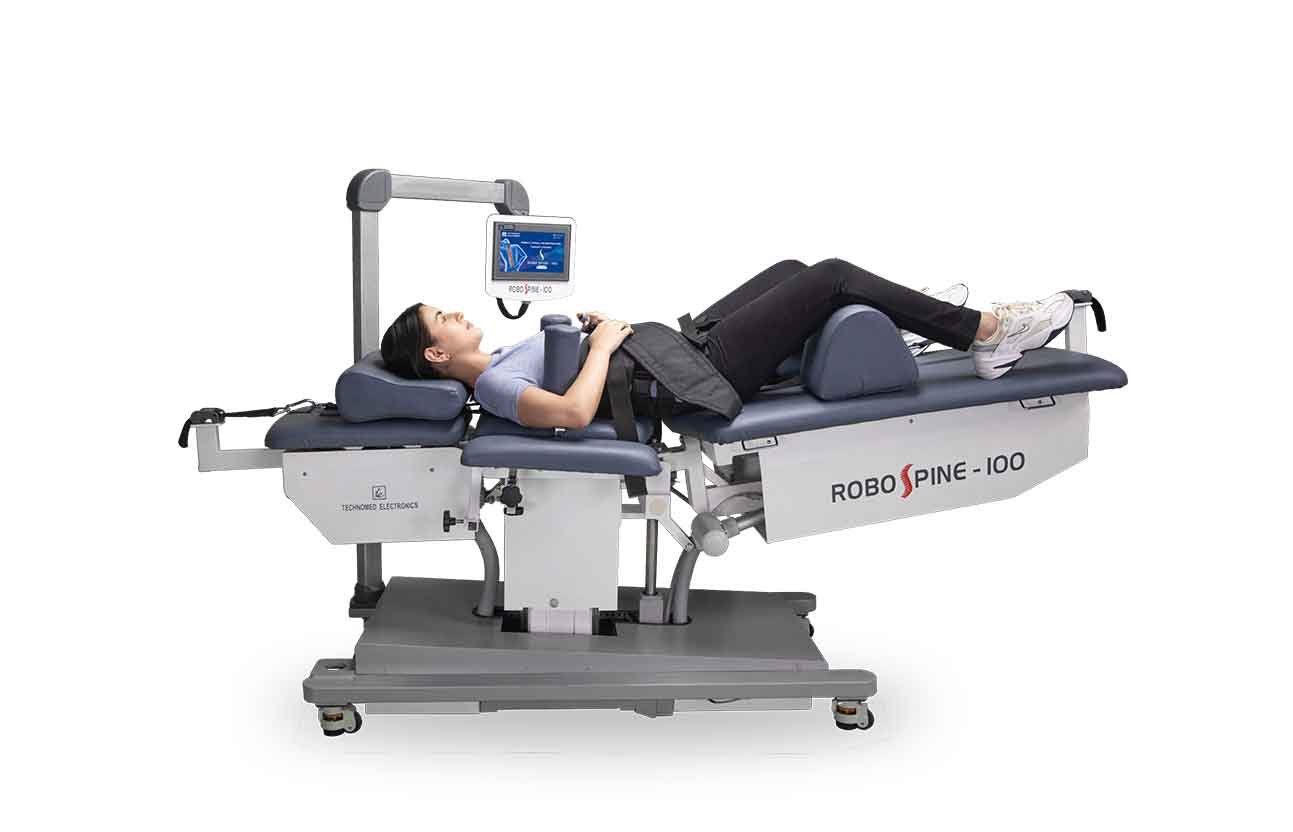
Spinal Decompression Therapy is a non-invasive treatment that gently stretches the spine using computerized technology.
The therapy creates negative pressure within the spinal discs, which can help:
- Reduce disc compression
- Relieve pressure on nerves
- Improve nutrient and oxygen flow to damaged discs
- Support natural disc healing
- Improve spinal mobility
Unlike treatments that simply mask symptoms, spinal decompression focuses on addressing the root cause of many spinal conditions.
This is one of the reasons why Spinal Decompression Therapy Kerala centers are attracting patients looking for alternatives to surgery.
Why Is Spinal Decompression Considered a Game Changer?
Many conventional treatments focus on pain management. Spinal decompression takes a different approach by targeting the mechanical stress affecting the spine.
When spinal discs become compressed or damaged, they can place pressure on nearby nerves. This often results in chronic pain, numbness, tingling sensations, and mobility limitations.
Spinal decompression helps create space between vertebrae, reducing pressure and promoting healing.
For many patients, this means:
- Less pain
- Better movement
- Improved quality of life
- Reduced dependence on pain medications
- A non-surgical treatment option
Conditions That Can Benefit from Spinal Decompression Therapy
Herniated Disc (Slipped Disc)
A slipped disc can cause severe pain when disc material presses against nearby nerves.
Spinal decompression therapy helps reduce pressure inside the disc and may support the body's natural healing process.
Patients searching for slipped disc treatment in Kerala India often explore spinal decompression as a conservative treatment option before considering surgery.
Sciatica
Sciatica occurs when the sciatic nerve becomes compressed, causing pain that radiates from the lower back down the leg.
Spinal decompression can help relieve nerve pressure and improve symptoms such as:
- Leg pain
- Numbness
- Tingling
- Weakness
Many patients seeking sciatica treatment in Kerala are now opting for non-surgical spinal decompression programs.
Chronic Neck Pain
Neck pain has become increasingly common due to prolonged screen time, poor posture, and sedentary lifestyles.
Spinal decompression of the cervical spine may help reduce pressure on the neck discs and nerves, improving comfort and mobility.
Degenerative Disc Disease
As spinal discs age, they lose hydration and elasticity.
Spinal decompression therapy may help improve disc nutrition and reduce stress on the affected spinal segments.
This makes it a valuable component of comprehensive spine rehabilitation programs in Kerala.
Chronic Lower Back Pain
Persistent lower back pain often affects work productivity, sleep quality, and overall health.
Spinal decompression offers a non-invasive solution that targets one of the most common causes of back pain—disc and nerve compression.
Benefits of Spinal Decompression Therapy
Long-Term Pain Relief
By reducing pressure on compressed discs and nerves, patients often experience significant improvements in chronic pain symptoms.
Unlike temporary pain management methods, the goal is to address the source of discomfort.
Improved Mobility
Many patients report better flexibility and improved movement following treatment.
This can make everyday activities such as walking, bending, sitting, and lifting easier and more comfortable.
Reduced Nerve Compression
Symptoms such as tingling, numbness, and radiating pain are often associated with nerve irritation.
Spinal decompression helps create space around affected nerves, reducing irritation and promoting recovery.
Support for Natural Healing
The treatment enhances the flow of nutrients and oxygen to damaged spinal discs, supporting the body's natural healing mechanisms.
Non-Surgical Alternative
One of the biggest advantages is that spinal decompression offers a treatment pathway without surgery, hospitalization, or extended downtime.
Why Choose Kerala for Spinal Decompression Therapy?
Kerala has established itself as a leading healthcare destination in India, offering advanced spine care and rehabilitation services.
Patients choose Kerala because of:
- Modern spine rehabilitation centers
- Experienced physiotherapists and spine specialists
- Advanced spinal decompression equipment
- Affordable treatment costs
- Personalized care programs
- Comfortable recovery environment
Many healthcare facilities combine spinal decompression therapy with physiotherapy, posture correction, exercise therapy, and rehabilitation for optimal outcomes.
Spinal Decompression Therapy Cost in Kerala India
One of the key reasons why patients choose Spinal Decompression Therapy in Kerala India is the combination of advanced treatment facilities and cost-effective healthcare services. Compared to many Western countries and several international medical destinations, Kerala offers access to modern spinal rehabilitation technologies at a significantly lower cost without compromising treatment quality. The overall Spinal Decompression Therapy Cost in Kerala India depends on factors such as the severity of the spinal condition, the number of sessions required, diagnostic investigations, specialist consultations, and whether the treatment is combined with physiotherapy or rehabilitation programs. Since every patient has unique spinal health needs, treatment plans are customized after a comprehensive clinical assessment. Patients are encouraged to undergo a detailed evaluation with a spine specialist or physiotherapist to receive an accurate treatment plan and cost estimate tailored to their condition.
The overall cost depends on:
- Number of sessions required
- Severity of the condition
- Type of rehabilitation program
- Additional physiotherapy treatments
- Diagnostic evaluations
Since treatment plans are customized, costs can vary from patient to patient.
Patients are encouraged to undergo a comprehensive assessment to determine the most appropriate treatment approach and expected investment.
What Happens During a Spinal Decompression Session?
A spinal decompression session begins with a detailed assessment of the patient's medical history, symptoms, spinal condition, and imaging reports such as MRI or CT scans. Based on this evaluation, a customized treatment protocol is developed. During the procedure, the patient lies comfortably on a specialized decompression table while a computerized system gently applies controlled traction to the affected area of the spine. The treatment is carefully calibrated according to the patient's condition to ensure maximum effectiveness and comfort. As the spine is gently stretched, pressure within the spinal discs decreases, helping to relieve nerve compression and improve disc hydration. Most sessions typically last between 20 and 45 minutes and are painless, with many patients describing the experience as relaxing. Following the session, patients may also receive guidance on posture correction, stretching exercises, and lifestyle modifications to enhance treatment outcomes.
A typical session involves:
- Detailed spinal assessment
- Customized treatment planning
- Positioning on a specialized decompression table
- Gentle computerized spinal stretching
- Monitoring throughout the procedure
Most sessions last between 20 and 45 minutes.
Patients generally describe the experience as comfortable and relaxing.
Combining Spinal Decompression with Physiotherapy
While spinal decompression therapy can effectively reduce pressure on compressed discs and nerves, combining it with physiotherapy often produces superior long-term results. Physiotherapy addresses the underlying biomechanical factors that contribute to spinal problems, such as poor posture, weak core muscles, reduced flexibility, and improper movement patterns. A comprehensive rehabilitation program may include strengthening exercises, stretching routines, postural correction, balance training, and ergonomic education. By integrating physiotherapy with spinal decompression, patients not only experience symptom relief but also improve spinal stability, mobility, and overall function. This combined approach reduces the likelihood of recurring pain and helps patients return to their normal activities with greater confidence and improved spinal health. Many leading spine rehabilitation centers in Kerala recommend this integrated treatment model for achieving sustainable recovery and preventing future spinal injuries.
The best results are often achieved when spinal decompression is combined with:
- Physiotherapy
- Core strengthening exercises
- Postural correction
- Mobility training
- Lifestyle modifications
This integrated approach helps improve both symptom relief and long-term spinal health.
Who Should Consider Spinal Decompression Therapy?
Spinal decompression therapy may be an ideal treatment option for individuals experiencing chronic neck pain, persistent lower back pain, herniated or bulging discs, sciatica, nerve compression, numbness, tingling sensations, or reduced spinal mobility. It is particularly beneficial for patients who have not achieved satisfactory results from medications, rest, or conventional conservative treatments and are looking for a non-surgical alternative. Individuals who wish to avoid surgery or delay surgical intervention may also consider spinal decompression as part of their treatment plan. Office workers with posture-related spinal problems, athletes recovering from spinal injuries, and people suffering from age-related disc degeneration can often benefit from this therapy. However, suitability depends on the specific diagnosis and overall health condition of the patient. A comprehensive evaluation by a qualified spine specialist or rehabilitation expert is essential to determine whether spinal decompression therapy is the right solution for achieving long-term pain relief and functional recovery.
You may be a suitable candidate if you suffer from:
- Chronic neck pain
- Chronic back pain
- Herniated discs
- Bulging discs
- Sciatica
- Nerve compression
- Tingling and numbness
- Reduced spinal mobility
A spine specialist can evaluate your condition and determine whether spinal decompression is appropriate for you.
Spinal Decompression Therapy Through Medinglo
At Medinglo, we help patients connect with leading spine care centers, rehabilitation facilities, and physiotherapy clinics offering Spinal Decompression Therapy in Kerala, India.
Whether you are dealing with chronic back pain, slipped discs, sciatica, or persistent neck discomfort, our team can help you identify the most suitable treatment options and rehabilitation programs tailored to your needs.
Frequently Asked Questions
Does spinal decompression therapy really work?
Many patients experience significant improvements in pain, mobility, and nerve-related symptoms. Outcomes depend on the underlying condition and adherence to the treatment program.
How much does spinal decompression therapy cost in Kerala India?
The cost varies depending on the number of sessions, severity of the condition, and whether additional physiotherapy or rehabilitation services are included.
Is spinal decompression therapy painful?
No. Most patients find the treatment comfortable and relaxing.
How many sessions are needed?
The number of sessions varies from patient to patient. Many treatment plans involve multiple sessions over several weeks.
Can spinal decompression help avoid surgery?
For some patients, spinal decompression may provide sufficient symptom relief and functional improvement, potentially reducing the need for surgery.
Is Kerala a good destination for spinal decompression therapy?
Yes. Kerala offers modern healthcare facilities, experienced rehabilitation professionals, advanced spine care programs, and cost-effective treatment options, making it a preferred destination for non-surgical spine treatment.