



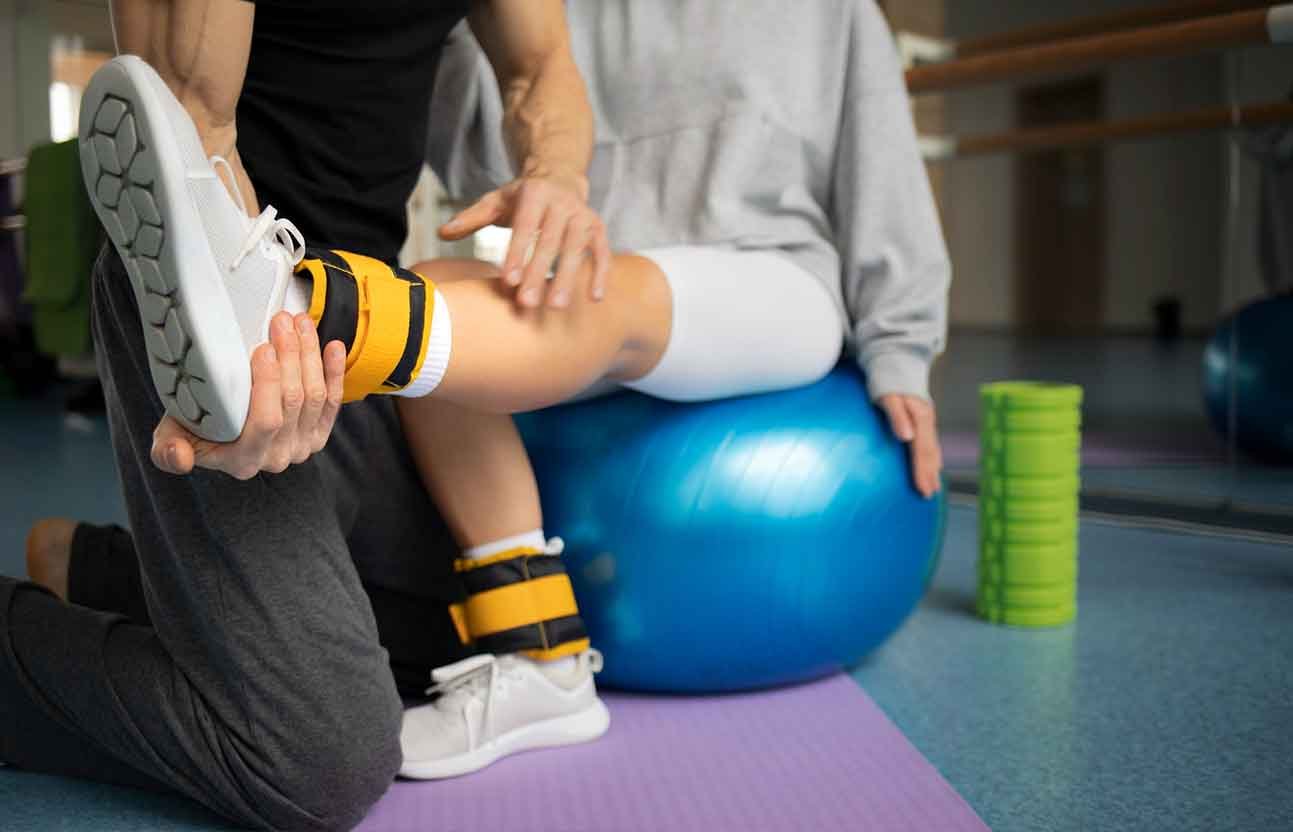
Sports and physical activity offer important benefits for strength, fitness and overall health, but repetitive training, sudden movements, inadequate recovery and accidents can sometimes result in injuries. From muscle strains and ligament injuries to tendon problems, joint pain and sports-related overuse injuries, these conditions can affect both professional athletes and people who participate in recreational sports.
Sports physiotherapy in Kerala focuses on the prevention, assessment, treatment and rehabilitation of injuries related to sports and physical activity. A sports physiotherapist works with patients to reduce pain, restore movement and strength, improve functional performance and help them return safely to their sport or normal activities.
Sports physiotherapy is not limited to treating an injury after it occurs. A comprehensive programme can also address movement patterns, muscle imbalances, flexibility, strength, coordination and sport-specific demands to reduce the risk of future injuries.
Kerala has a growing healthcare infrastructure with physiotherapy and rehabilitation services available across major cities. Kochi, in particular, has become an important healthcare centre for patients looking for specialist rehabilitation and sports injury care.
What Is Sports Physiotherapy?
Sports physiotherapy is a specialized area of physiotherapy focused on injuries and physical conditions associated with sports, exercise and active lifestyles.
While conventional physiotherapy can address a wide range of musculoskeletal and neurological conditions, sports physiotherapy places additional emphasis on athletic movement, physical performance, injury prevention and safe return to sport.
A sports physiotherapist may assess how an injury occurred, identify factors that contributed to it and develop a rehabilitation programme based on the patient's specific activity. The treatment can include manual therapy, therapeutic exercises, mobility work, strengthening, balance training, movement retraining and sport-specific rehabilitation.
The objective is not simply to make the pain disappear. The broader goal is to restore the physical abilities required for the patient to safely return to their preferred activity.
Who Can Benefit from Sports Physiotherapy?
Sports physiotherapy can benefit professional athletes, competitive players, amateur athletes, fitness enthusiasts, runners, gym users and people who participate in recreational activities.
You do not have to be a professional athlete to benefit from sports rehabilitation. A person who plays football at the weekend, runs regularly, attends the gym or participates in activities such as badminton, cricket, tennis or cycling can also develop sports-related injuries.
Physiotherapy may be particularly useful when pain, stiffness, weakness or reduced movement begins to interfere with training or everyday activities.
Early assessment can sometimes help prevent a relatively minor problem from becoming a more persistent injury.
Common Sports Injuries Treated with Physiotherapy
Sports injuries can affect muscles, tendons, ligaments, bones and joints. The appropriate treatment depends on the type and severity of the injury.
Common conditions treated through sports physiotherapy include muscle strains, ligament sprains, tendon injuries, knee pain, ankle injuries, shoulder injuries, tennis elbow, hamstring injuries, groin injuries and sports-related back pain.
Athletes may also experience overuse conditions such as tendinopathy, shin pain and stress-related injuries. These problems can develop gradually rather than following one specific accident.
A detailed assessment is important because similar symptoms can have different underlying causes. For example, knee pain in a runner may be related to training load, muscle weakness, movement mechanics or an underlying joint problem.
Sports Physiotherapy for Knee Injuries
Knee injuries are among the most common problems experienced by athletes and physically active people. They can occur during running, jumping, changing direction, landing or contact sports.
Sports physiotherapy may be used for conditions such as ligament injuries, meniscus-related problems, patellofemoral pain, tendon problems and rehabilitation after knee surgery.
A rehabilitation programme may focus on restoring knee movement, strengthening the quadriceps and hamstring muscles, improving hip and core strength, developing balance and gradually returning the athlete to sport-specific movements.
For athletes recovering from procedures such as ACL reconstruction, rehabilitation is particularly important. Returning to competitive sport too early can increase the risk of reinjury, so progression should be guided by appropriate clinical and functional assessments.
Sports Physiotherapy for Shoulder and Elbow Injuries
Shoulder and elbow injuries are common in sports involving repeated throwing, lifting, swinging or overhead movements.
Activities such as cricket, tennis, badminton, swimming and weight training can place significant demands on the shoulder and upper limb.
Physiotherapy can focus on restoring joint mobility, improving muscle strength and coordination, correcting movement patterns and gradually increasing the load placed on the affected area.
For conditions such as tennis elbow or other tendon-related problems, rehabilitation may include progressive strengthening and load management rather than relying solely on rest.
Sports Physiotherapy for Ankle and Foot Injuries
Ankle sprains are common in sports that involve running, jumping and sudden changes in direction. Even after the initial pain and swelling improve, weakness or reduced balance can remain.
Without appropriate rehabilitation, some patients may develop recurrent ankle sprains or ongoing instability.
Sports physiotherapy can help restore ankle mobility, strength, balance and proprioception. As recovery progresses, exercises may become more sport-specific, incorporating running, jumping, landing and changes of direction.
Foot and lower-leg problems can also require careful assessment because factors such as footwear, training surfaces, biomechanics and training volume may contribute to symptoms.
Sports Physiotherapy for Muscle and Tendon Injuries
Muscle strains and tendon injuries can affect athletes in almost every sport. Hamstring, calf and groin injuries are particularly common in activities involving sprinting and rapid acceleration.
Treatment is not always about complete rest. Depending on the injury and stage of recovery, controlled loading and progressive strengthening can play an important role.
A sports physiotherapist can help determine when an athlete can safely progress from basic movement to strength training, running, acceleration, jumping and eventually full sports participation.
This gradual approach can help restore physical capacity while reducing the risk associated with returning to intense activity too quickly.
Rehabilitation After Sports Surgery
Some sports injuries require surgical treatment, including certain ligament tears, severe tendon injuries and complex joint injuries.
Physiotherapy is an important component of recovery following many orthopedic procedures. The rehabilitation programme may begin with controlling pain and swelling and protecting the surgical repair before gradually progressing to movement, strength and functional training.
As healing progresses, the programme becomes increasingly demanding. Athletes may eventually work on running, jumping, agility, balance, acceleration, deceleration and sport-specific movements.
The exact rehabilitation timeline depends on the surgery, tissue healing, individual recovery and recommendations from the treating orthopedic specialist and physiotherapist.
How Does Sports Physiotherapy Work?
The first stage is usually a detailed assessment. The physiotherapist may ask about the injury, symptoms, training history, previous injuries and the patient's sporting activities.
A physical examination may assess joint movement, muscle strength, flexibility, balance, coordination and movement patterns.
The physiotherapist can then develop a rehabilitation programme based on the findings. Treatment may include hands-on techniques where appropriate, therapeutic exercises, progressive resistance training, mobility exercises and functional rehabilitation.
As the patient improves, the programme is adjusted. The objective is to move from symptom management to restoring physical capacity and eventually returning to the demands of the patient's sport.
Injury Prevention Through Sports Physiotherapy
One of the major benefits of sports physiotherapy is that it can be used before an injury occurs.
Athletes may have movement restrictions, muscle weaknesses, poor balance or training-load issues that increase their risk of injury. Identifying these factors can provide an opportunity to address them through targeted exercises and training modifications.
Injury prevention programmes may include strength training, flexibility work, neuromuscular exercises, balance training and sport-specific movement drills.
A physiotherapist may also provide guidance on warm-ups, recovery, training progression and appropriate return-to-training strategies.
Prevention is particularly valuable for athletes who have previously experienced the same injury multiple times.
Return to Sport After an Injury
Returning to sport is more complex than simply waiting until the pain disappears.
An athlete may feel better but still lack the strength, coordination, endurance or confidence required for competitive activity.
A structured return-to-sport programme gradually increases physical demands. Depending on the sport, this may involve running, sprinting, jumping, landing, changing direction, throwing or other sport-specific activities.
The physiotherapist may use functional assessments to determine whether the athlete is ready to progress. Collaboration between the physiotherapist, orthopedic specialist, coach and athlete can be particularly useful for competitive sports.
The aim is to achieve a safe and sustainable return rather than rushing back to competition.
Sports Physiotherapy in Kochi, Kerala
Kochi is one of Kerala's major healthcare centres and offers access to multispecialty hospitals, orthopedic specialists, physiotherapists and rehabilitation services.
For patients searching for sports physiotherapy in Kochi, treatment options may include assessment and rehabilitation for sports injuries, postoperative physiotherapy, strength and conditioning, pain management and return-to-sport programmes.
Kochi can also be convenient for patients travelling from other parts of Kerala and for international patients arriving through Cochin International Airport.
When choosing a sports physiotherapy centre in Kochi, patients should consider the physiotherapist's experience, the type of sports injuries treated, rehabilitation facilities, availability of orthopedic consultation when required and whether the programme can be customized to the patient's sport and goals.
Sports Injury Treatment in Kerala
Kerala's healthcare system includes physiotherapy centres, rehabilitation facilities and multispecialty hospitals offering orthopedic and sports medicine services.
Patients looking for sports injury treatment in Kerala can access different levels of care depending on the injury. Simple muscle or tendon problems may be managed through physiotherapy, while more complex injuries may require imaging, orthopedic assessment or surgery before rehabilitation begins.
For patients with significant trauma, persistent pain or suspected fractures or ligament injuries, obtaining a proper medical diagnosis is important before beginning an exercise-based rehabilitation programme.
A coordinated approach between orthopedic specialists, sports medicine doctors and physiotherapists can be particularly useful for complex injuries.
Sports Rehabilitation for International Patients
International athletes and physically active patients may also consider Kerala for sports injury assessment and rehabilitation.
Before travelling, patients can share previous medical records, imaging reports, surgical reports and treatment history with the healthcare provider. This can help the clinical team understand the condition and determine whether additional assessment is required.
A rehabilitation plan can then be developed around the patient's injury, sporting goals and expected length of stay.
For patients travelling for longer rehabilitation programmes, practical factors such as accommodation, transportation, appointment scheduling and follow-up care should also be considered.
Why Choose Medinglo for Sports Physiotherapy in Kerala?
For international patients looking for sports physiotherapy in Kerala, arranging treatment in another country can involve several practical challenges.
Medinglo helps international patients explore healthcare options in India and coordinate consultations with appropriate healthcare providers. Depending on the patient's requirements, this can include assistance with identifying suitable hospitals or rehabilitation centres, arranging appointments, coordinating treatment information and supporting travel and accommodation arrangements.
For patients travelling from GCC countries, Arabic-speaking staff can assist with communication and coordination during the medical journey.
The goal is to make the process more organized while allowing qualified healthcare professionals to make the clinical and treatment decisions.
How Long Does Sports Physiotherapy Take?
There is no standard treatment duration for every sports injury. Recovery depends on the type and severity of the injury, whether surgery was required, the patient's physical condition and how consistently they follow the rehabilitation programme.
A minor muscle injury may improve within a relatively short period, while ligament reconstruction, significant tendon injuries or complex orthopedic conditions may require several months of rehabilitation.
Progress should be assessed throughout treatment rather than using a fixed timeline alone. The patient should gradually regain strength, mobility, endurance and sport-specific function before returning to full activity.
Can Sports Physiotherapy Improve Athletic Performance?
Sports physiotherapy is not limited to injury treatment. Once an athlete has recovered, physiotherapy-based strength and movement programmes may also help address physical limitations that affect performance.
Improving strength, mobility, balance, coordination and movement efficiency can support athletic function. However, performance improvement should be based on the athlete's specific sport and training goals.
Sports physiotherapy can therefore complement coaching and strength-and-conditioning programmes rather than replacing them.
Frequently Asked Questions
Is sports physiotherapy only for professional athletes?
No. Sports physiotherapy can benefit anyone who participates in sports, exercise or physically demanding activities. Recreational runners, gym users, cyclists and people who play football, cricket, badminton or tennis can all develop injuries that may benefit from physiotherapy.
When should I see a sports physiotherapist?
You may consider an assessment if pain, stiffness, weakness or reduced movement is affecting your ability to train or perform normal activities. It can also be useful after an injury or surgery, or if you have recurring injuries.
Can physiotherapy treat sports injuries without surgery?
Many sports injuries can be managed without surgery, depending on their type and severity. Physiotherapy may be appropriate for many muscle, tendon, joint and ligament conditions. However, some serious injuries require orthopedic evaluation and potentially surgical treatment.
How soon can I return to sports after an injury?
The timeframe varies according to the injury and individual recovery. Returning should be based on functional recovery rather than simply the number of days since the injury. Strength, movement, balance and sport-specific performance should be appropriately restored before full competition.
Is sports physiotherapy available in Kochi?
Yes. Kochi is a major healthcare centre in Kerala with access to physiotherapy, orthopedic and rehabilitation services. Patients should select a provider based on the physiotherapist's qualifications, experience and suitability for their particular injury and sport.
Can sports physiotherapy help prevent recurring injuries?
Yes. A rehabilitation programme can identify and address factors such as weakness, poor balance, restricted mobility and movement patterns that may contribute to recurring injuries. Appropriate strength and conditioning can also support long-term injury prevention.
Start Your Sports Rehabilitation Journey in Kerala
Sports injuries can affect athletes at every level, but appropriate assessment and rehabilitation can help patients work toward restoring movement, strength and confidence.
Whether you are recovering from a recent injury, undergoing rehabilitation after surgery or looking for a structured return-to-sport programme, sports physiotherapy in Kerala can provide access to specialized rehabilitation services.
For patients specifically searching for sports physiotherapy in Kochi, the city offers a range of healthcare and rehabilitation options within Kerala's broader medical infrastructure.
Medinglo can help international patients explore suitable healthcare providers and coordinate the practical aspects of their treatment journey in Kerala and across India.
Medical Disclaimer: This article is for general informational purposes only and does not replace a medical assessment. Sports injuries can vary significantly in severity. Patients with severe pain, swelling, suspected fractures, inability to bear weight or significant trauma should seek appropriate medical evaluation before beginning rehabilitation.