



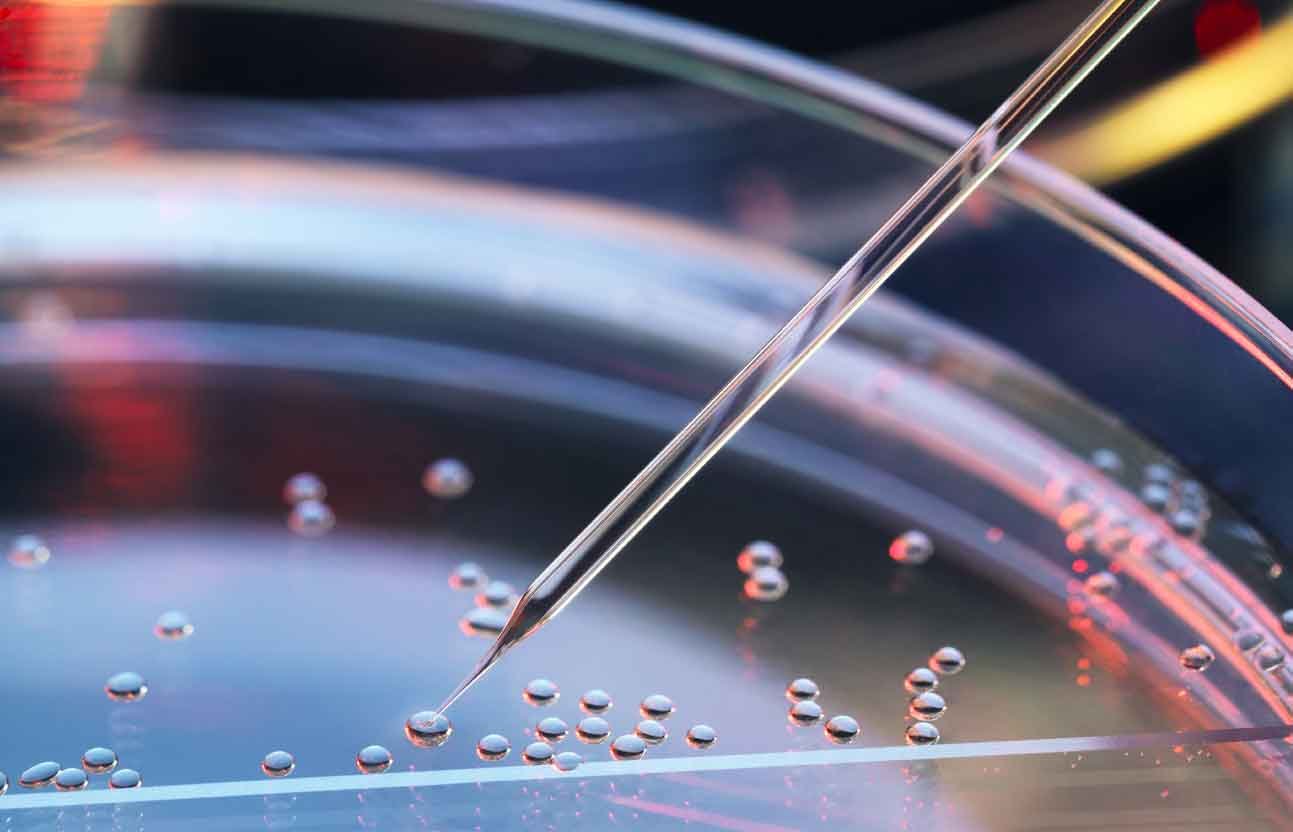
Stem cell therapy is one of the most rapidly developing areas of modern medicine. Because stem cells have the ability to develop into certain specialised cell types and support tissue regeneration, researchers are investigating their potential role in treating a wide range of diseases and injuries.
India has developed significant expertise in stem-cell research, hematopoietic stem-cell transplantation and regenerative medicine. Kerala, with its established healthcare infrastructure, specialist medical centres and growing interest in advanced treatments, is also becoming an important destination for patients exploring stem-cell-based therapies.
However, it is important to understand that not every treatment marketed as “stem cell therapy” is an established medical treatment. Some applications are well established, particularly hematopoietic stem-cell transplantation for specific blood and immune disorders, while many regenerative applications remain under research or are available only through appropriately approved clinical trials.
This guide explains stem cell therapy in Kerala, India, including its types, potential applications, treatment process, benefits, risks, costs, clinical evidence and important considerations for international patients.
What Is Stem Cell Therapy?
Stem cells are cells that have the ability to produce other types of cells and, depending on their type and biological characteristics, can contribute to tissue development, repair and regeneration.
Stem-cell-based treatment generally involves obtaining stem cells from a suitable source, processing or preparing them according to the medical protocol, and administering them to a patient.
The exact process depends on the disease being treated and the type of stem cells involved.
Stem cells may be obtained from sources such as:
- Bone marrow
- Peripheral blood
- Umbilical cord blood
- Certain other tissues, depending on the research or clinical application
Not all stem cells are the same, and the type of cell, source, preparation method, dose, route of administration and medical indication can significantly affect both the potential benefits and risks.
What Are the Main Types of Stem Cells?
Hematopoietic Stem Cells
Hematopoietic stem cells are blood-forming stem cells. They can develop into different types of blood cells and are used in hematopoietic stem-cell transplantation.
This is an established medical treatment for selected conditions affecting the blood, bone marrow and immune system.
India has specific national guidelines covering hematopoietic cell transplantation.
Mesenchymal Stem Cells
Mesenchymal stem cells are being extensively investigated because of their potential effects on tissue repair, inflammation and immune regulation.
Research involving mesenchymal stem cells is ongoing in areas such as orthopaedics, neurological disorders, cardiovascular conditions and other diseases. However, evidence and regulatory status vary considerably between individual conditions.
Other Stem Cell Types
Researchers are also studying embryonic stem cells, induced pluripotent stem cells and other specialised cell populations.
These approaches are primarily associated with research and regenerative medicine development rather than routine treatment for most diseases.
What Conditions Can Stem Cell Therapy Treat?
One of the most important questions patients ask is: “What diseases can be treated with stem cells?”
The answer depends heavily on the type of stem cell therapy.
Hematopoietic stem-cell transplantation is an established treatment option for selected blood and immune-related disorders.
These may include certain:
- Leukemias
- Lymphomas
- Multiple myeloma
- Bone marrow disorders
- Inherited blood disorders
- Immune-system disorders
Other applications, including some treatments for neurological, orthopaedic, cardiovascular and autoimmune conditions, are being investigated.
The Indian Council of Medical Research maintains evidence-based documents examining stem-cell therapy for several human diseases, including neurological, cardiac, spinal cord and muscular conditions.
Therefore, patients should not assume that a stem-cell treatment advertised for one disease has the same level of evidence as an established stem-cell transplant.
Stem Cell Therapy for Neurological Conditions
Stem-cell research has attracted considerable interest in neurological medicine.
Researchers are investigating whether stem cells could potentially support repair or functional recovery in conditions involving damage to the nervous system.
Areas of research include:
- Stroke
- Spinal cord injury
- Multiple sclerosis
- Motor neuron diseases
- Parkinson's disease
- Other neurological disorders
However, many of these applications remain investigational.
For example, ICMR's evidence-based guidance has specifically addressed stem-cell therapy for spinal cord injury and emphasises that such treatment should be restricted to appropriately approved clinical trials.
Patients should therefore be particularly careful when a clinic promises that stem cells can “cure” paralysis, stroke, Parkinson's disease or other neurological disorders.
Stem Cell Therapy for Orthopaedic Conditions
Stem-cell-based regenerative approaches are also being studied for musculoskeletal conditions.
Research areas include:
- Cartilage injuries
- Osteoarthritis
- Tendon injuries
- Bone regeneration
- Sports injuries
- Joint-related conditions
The biological concept is that certain cell-based therapies may influence tissue repair and the local healing environment.
However, evidence varies between conditions and treatment methods. A patient should receive a proper orthopaedic assessment before considering any cell-based treatment.
Stem-cell therapy should not automatically be considered a replacement for established treatments such as physiotherapy, medication, injections or surgery when those treatments are clinically appropriate.
Stem Cell Therapy for Heart and Cardiovascular Conditions
Researchers are investigating stem-cell-based approaches for cardiovascular disease, including heart failure and damage to heart muscle.
The proposed mechanisms include tissue repair, angiogenesis and modulation of inflammatory responses.
However, these applications remain an active area of research, and evidence is not equivalent to that supporting established cardiovascular treatments.
Patients with heart disease should therefore discuss the potential role of any stem-cell therapy with a qualified cardiologist and understand whether the proposed treatment is an approved therapy or part of a clinical research programme.
Stem Cell Therapy for Blood Disorders
One of the most established applications of stem cells is hematopoietic stem-cell transplantation.
In this procedure, blood-forming stem cells are used to restore the patient's bone marrow and blood-forming system following appropriate conditioning treatment.
Depending on the disease, stem cells may come from:
- The patient themselves — autologous transplantation
- A suitable donor — allogeneic transplantation
- Cord blood in selected circumstances
This type of treatment requires specialised medical teams, transplant infrastructure, infection control, laboratory support and careful monitoring.
India has national guidelines specifically addressing hematopoietic cell transplantation.
Is Stem Cell Therapy the Same as Regenerative Medicine?
The terms are sometimes used interchangeably, but they are not necessarily identical.
Regenerative medicine is a broader field that aims to restore or replace damaged cells, tissues or organs.
It may involve:
- Stem cells
- Tissue engineering
- Biomaterials
- Cell-based therapies
- Gene-based approaches
- Other biological technologies
Stem-cell therapy is therefore one part of the larger regenerative medicine field.
How Does Stem Cell Therapy Work?
The treatment process depends on the clinical indication and type of stem-cell therapy.
A typical patient journey may include:
1. Medical Consultation
A specialist first reviews the patient's diagnosis, previous treatments, medical history and current condition.
2. Diagnostic Evaluation
The patient may undergo blood tests, imaging, genetic testing, bone marrow investigations or other diagnostic procedures depending on the disease.
3. Treatment Eligibility Assessment
The medical team determines whether the patient is an appropriate candidate for the proposed stem-cell treatment.
This is an important step because stem-cell therapy is not appropriate for every patient.
4. Stem Cell Collection or Preparation
Depending on the therapy, stem cells may be collected from the patient, a donor or another clinically appropriate source.
5. Processing
Cells are processed according to the specific medical protocol and relevant standards.
6. Administration
The cells may be administered through an intravenous infusion or another route depending on the treatment.
7. Monitoring and Follow-Up
Patients require medical monitoring after treatment. The follow-up period can vary substantially depending on the condition and type of therapy.
What Are the Potential Benefits of Stem Cell Therapy?
The potential benefit depends on the specific disease and treatment.
For established hematopoietic stem-cell transplantation, the goal may be to restore normal blood and immune-system function following treatment for certain serious diseases.
For regenerative applications under investigation, researchers are studying whether stem cells may:
- Support tissue repair
- Modulate inflammation
- Promote regeneration
- Improve cellular function
- Support recovery following tissue injury
However, potential biological effects should not be confused with proven clinical benefits.
Patients should ask their doctor what evidence exists specifically for their disease, treatment protocol and stage of illness.
What Are the Risks of Stem Cell Therapy?
Stem-cell treatment is not risk-free.
Potential risks vary according to the type of therapy and may include:
- Infection
- Immune reactions
- Reactions related to cell administration
- Treatment-related complications
- Failure to achieve the expected benefit
- Abnormal tissue growth
- Tumour formation in some circumstances
- Complications related to the procedure used to obtain or administer cells
Regulatory authorities have also reported serious adverse events associated with unapproved regenerative medicine products, including infections and tumour formation.
This is why patients should undergo treatment only through properly qualified medical professionals and appropriately regulated facilities.
Are All Stem Cell Treatments Approved?
No.
This is one of the most important points patients should understand.
There is a significant difference between:
Established stem-cell treatments
and
Experimental or investigational stem-cell therapies.
The Indian Council of Medical Research publishes dedicated guidelines and evidence-based assessments for stem-cell research and therapy.
International regulatory authorities have also warned patients about clinics marketing unapproved stem-cell and regenerative medicine products for a wide range of diseases. The US FDA, for example, states that many regenerative medicine products marketed for neurological, orthopaedic, cardiovascular and other conditions have not been approved and may carry significant risks.
Therefore, patients considering treatment in India should always ask:
- Is this an established treatment?
- Is it approved for my particular condition?
- Is it part of a clinical trial?
- What scientific evidence supports the treatment?
- Who is responsible for my medical care?
- What are the potential risks?
- What alternative treatments are available?
Stem Cell Therapy in Kerala, India
Kerala has a well-developed healthcare sector with hospitals and specialist centres providing advanced medical services.
For patients considering stem-cell treatment in Kerala, the most important consideration should not simply be the location of the hospital. The treatment should be evaluated based on the patient's diagnosis, the medical specialty involved, the type of stem cells proposed, the evidence supporting the treatment and the experience of the treating team.
Kerala can be considered by international patients looking for specialised healthcare in India, particularly when treatment planning can be coordinated with specialist consultation, diagnostic evaluation and follow-up care.
Why Consider Kerala for Medical Treatment?
Kerala is known for its healthcare infrastructure and attracts patients from different parts of India and overseas.
For international patients, Kerala can offer advantages such as:
- Experienced medical specialists
- Multi-specialty hospitals
- Advanced diagnostic facilities
- International patient support
- English-speaking medical professionals
- Accommodation options
- Airport connectivity
- Recovery and rehabilitation services
For patients from the Gulf region, arrangements can also be planned around consultation, accommodation, transportation and medical follow-up.
However, the suitability of Kerala for a particular stem-cell treatment should always be determined by the treating specialist rather than by location alone.
Stem Cell Treatment in Kerala for International Patients
International patients considering stem-cell therapy in Kerala generally need to begin with a detailed medical evaluation.
A typical medical tourism process may include:
Medical Records Review
Patients can provide previous medical reports, imaging, laboratory results, biopsy reports, treatment histories and prescriptions for preliminary review.
Specialist Consultation
A specialist assesses the diagnosis and determines whether stem-cell therapy has a medically appropriate role.
Treatment Planning
If treatment is considered appropriate, the hospital or medical team can explain the proposed procedure, expected hospital stay and follow-up requirements.
Travel and Accommodation
International patients may require assistance with airport transfers, accommodation and local transportation.
Treatment and Follow-Up
The medical team conducts treatment and monitors the patient's response.
Patients travelling internationally should also plan for adequate follow-up after returning home.
Stem Cell Therapy for GCC and Arab Patients
Patients travelling from the UAE, Saudi Arabia, Qatar, Oman, Kuwait and Bahrain may consider India for specialised medical treatment.
For patients from the GCC, an international medical coordinator can help organise:
- Medical record collection
- Specialist appointments
- Hospital coordination
- Treatment scheduling
- Airport transfers
- Accommodation
- Local transportation
- Language support
- Follow-up coordination
Arabic-speaking assistance can also be valuable for patients and families who prefer to communicate in Arabic during their medical journey.
How Much Does Stem Cell Therapy Cost in Kerala?
The cost of stem-cell treatment can vary substantially.
There is no single standard price because the total expense depends on factors such as:
- Type of stem cells
- Medical condition
- Treatment protocol
- Autologous or donor-based treatment
- Diagnostic investigations
- Hospitalisation
- Specialist fees
- Laboratory and cell-processing requirements
- Medications
- Follow-up care
- Rehabilitation, when required
International patients should request a detailed treatment estimate after their medical records have been reviewed.
It is also important to understand exactly what is included in the quoted price.
A very low-cost treatment should not automatically be considered a better option, particularly when the therapy is experimental or the treatment protocol is unclear.
How to Choose a Stem Cell Treatment Centre in Kerala
Choosing a centre requires more than searching for the phrase “best stem cell therapy in Kerala.”
Patients should consider:
Medical Expertise
Check whether the treatment is being provided by a specialist appropriate to the underlying disease.
Evidence for the Treatment
Ask for information about clinical evidence supporting the specific therapy.
Regulatory and Ethical Oversight
If the treatment is investigational, ask whether it is being provided within an appropriately approved clinical trial or research framework.
Treatment Protocol
Patients should know what type of cells are being used, where they come from, how they are processed and how they will be administered.
Risks and Alternatives
A responsible medical team should explain possible complications and established alternative treatments.
Follow-Up
Ask how the patient will be monitored after treatment and who will provide follow-up care.
Questions to Ask Before Stem Cell Therapy
Before agreeing to treatment, patients should ask their doctor:
- What condition is this stem-cell therapy intended to treat?
- Is this an established treatment or an experimental therapy?
- What type of stem cells will be used?
- Where are the cells obtained from?
- How are the cells processed?
- How will the cells be administered?
- What scientific evidence supports this treatment?
- What are the known risks?
- What other treatments are available?
- What happens if the treatment does not work?
- How long will I need to remain in Kerala?
- What follow-up will I need after returning home?
A transparent medical team should be willing to discuss these questions clearly.
Stem Cell Therapy and Clinical Trials
Clinical trials play an important role in determining whether new medical treatments are safe and effective.
For experimental stem-cell therapies, participation in an appropriately approved clinical trial may provide a structured environment for evaluating a treatment.
Patients should not assume that a treatment is legitimate simply because a clinic says that it is “research-based” or because a study is mentioned online.
Proper ethical and regulatory oversight is important when experimental therapies are being evaluated.
Stem Cell Therapy: Established Treatment vs Experimental Treatment
Understanding this difference can help patients make better decisions.
| Established Stem Cell Treatment | Experimental Stem Cell Therapy |
|---|---|
| Supported by established clinical evidence | Evidence may still be developing |
| Used for specific medical indications | May be studied for new indications |
| Part of recognised clinical practice | May require clinical-trial participation |
| Established treatment protocols | Protocols may vary |
| Known benefits and risks are better characterised | Long-term benefits and risks may be uncertain |
The distinction is particularly important when patients are travelling internationally for treatment.
Is Stem Cell Therapy a Cure?
Stem-cell therapy should not automatically be described as a cure.
For some serious blood and immune disorders, hematopoietic stem-cell transplantation can be a potentially curative treatment in appropriately selected patients.
For many regenerative medicine applications, however, research is still ongoing.
Patients should therefore be cautious of claims such as:
- “100% cure”
- “Permanent cure”
- “Guaranteed regeneration”
- “No side effects”
- “Works for every patient”
- “One injection cures the disease”
Such claims should be discussed carefully with a qualified specialist.
The Future of Stem Cell Therapy
Stem-cell research continues to develop rapidly.
Scientists are investigating new ways to use cells for tissue regeneration, disease modelling, drug development and personalised medicine.
Future research may expand the role of cell-based therapies in areas such as:
- Neurological disorders
- Cardiovascular disease
- Orthopaedic injuries
- Autoimmune disorders
- Genetic diseases
- Tissue regeneration
- Cancer treatment
However, promising laboratory findings do not automatically translate into effective clinical treatments.
The future of stem-cell medicine will depend on high-quality clinical research, appropriate regulation, patient safety and reliable evidence.
How Medinglo Can Help International Patients
Patients travelling to Kerala for advanced medical treatment may require assistance beyond finding a hospital.
Medinglo can help international patients coordinate their medical journey in India, including medical record collection, specialist appointment coordination, hospital communication, accommodation, transportation and other medical tourism support services.
For stem-cell treatment in particular, the priority should always be to connect the patient with an appropriate specialist and determine whether the proposed therapy is medically suitable and supported by appropriate evidence.
Frequently Asked Questions About Stem Cell Therapy in Kerala
Is stem cell therapy available in Kerala?
Stem-cell-based treatments and transplantation services are available in India, including Kerala, depending on the medical indication and healthcare facility. The availability of a particular treatment should be confirmed with the relevant specialist.
Is stem cell therapy safe?
Safety depends on the type of cells, treatment protocol, source of the cells, route of administration and medical condition. Established stem-cell transplantation has a recognised safety profile and known risks, while experimental therapies may have greater uncertainty.
Can stem cells cure paralysis?
Stem-cell research is investigating potential treatments for spinal cord injury and other neurological conditions, but patients should not assume that currently marketed stem-cell treatments can cure paralysis. ICMR guidance indicates that stem-cell use for spinal cord injury should be restricted to appropriately approved clinical trials.
Can stem cells treat stroke?
Stem-cell therapy for stroke remains an area of research. Patients should discuss established stroke rehabilitation and treatment options with a neurologist before considering an experimental cell-based therapy.
Can stem cells treat arthritis?
Cell-based approaches for orthopaedic conditions are being researched, but evidence varies by treatment and condition. Patients should obtain an assessment from an orthopaedic specialist before considering such treatment.
How long does stem-cell treatment take?
The duration depends on the type of therapy. Some treatments may require a short procedure, while hematopoietic stem-cell transplantation can involve a much longer treatment and monitoring period.
Can international patients receive stem-cell treatment in Kerala?
International patients can seek specialist medical evaluation in Kerala. Whether a particular stem-cell treatment is appropriate depends on the diagnosis, medical assessment, treatment availability and applicable clinical and regulatory requirements.
Conclusion
Stem cell therapy represents an important and rapidly developing field of modern medicine. Some stem-cell treatments, particularly hematopoietic stem-cell transplantation for selected blood and immune disorders, are established components of medical care. At the same time, many regenerative applications remain under investigation.
Kerala can be considered by patients seeking specialised medical care in India, but choosing a stem-cell treatment should always begin with a proper diagnosis and specialist evaluation rather than a promotional claim.
For patients considering stem cell therapy in Kerala, India, the most important questions are whether the treatment is appropriate for their condition, what evidence supports it, what risks are involved and whether it is an established therapy or an appropriately regulated clinical trial.
For international patients, especially those travelling from GCC countries, careful medical evaluation and coordination with a qualified healthcare provider are essential before making travel or treatment decisions.
Medical Disclaimer
This article is intended for general educational and informational purposes only. Stem-cell treatments differ significantly in their clinical evidence, regulatory status and safety. Information on this page should not be considered medical advice or a substitute for consultation with a qualified doctor. Patients should undergo appropriate medical evaluation and discuss potential benefits, risks, alternatives and regulatory status with their treating specialist before proceeding with any stem-cell treatment.