



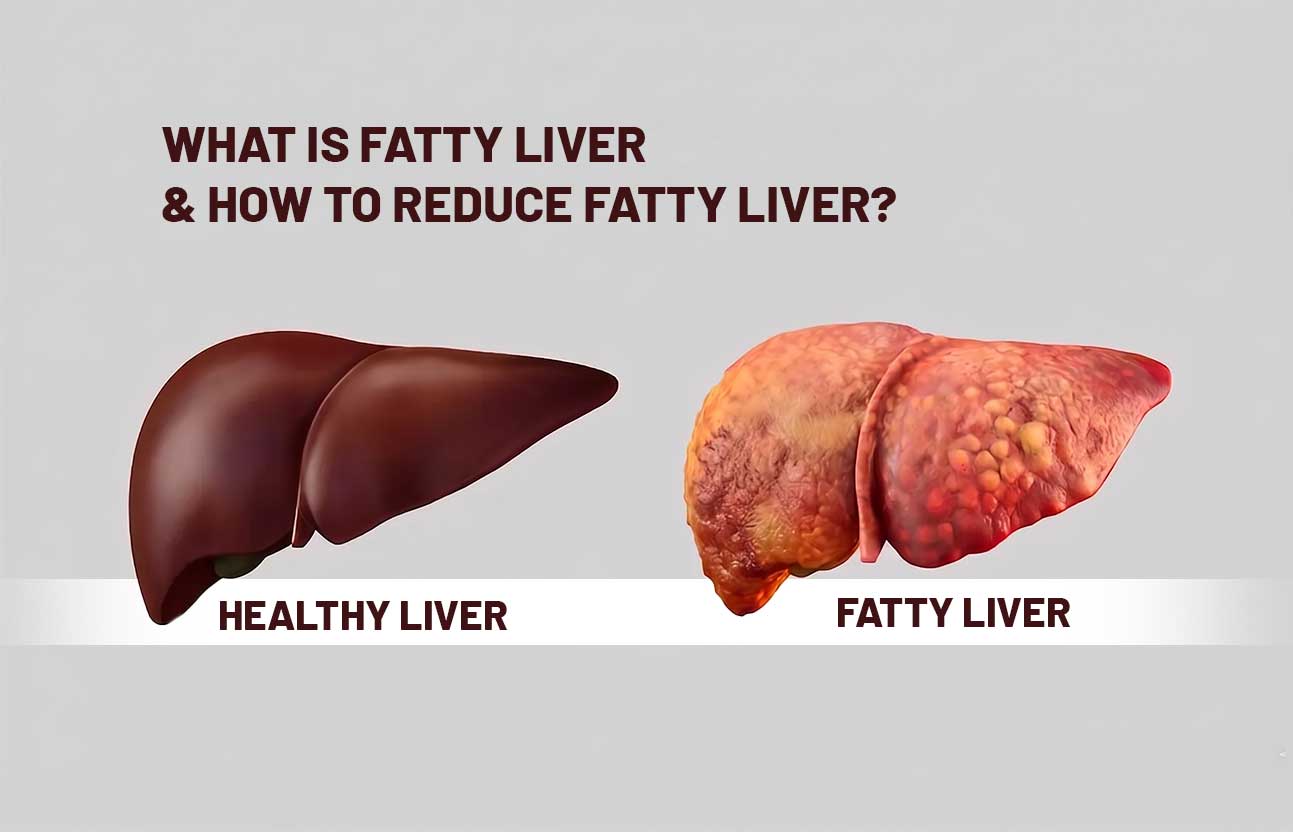
Fatty liver disease has become one of the most common health concerns worldwide, affecting millions of people across all age groups. Often called a "silent condition," fatty liver may develop without noticeable symptoms in its early stages. Many individuals discover they have fatty liver only during routine health check-ups or imaging tests.
While the condition is often associated with obesity and excessive alcohol consumption, a growing number of people develop fatty liver due to unhealthy diets, sedentary lifestyles, diabetes, metabolic syndrome, and other lifestyle-related factors.
The encouraging news is that, in many cases, fatty liver can be managed and even reversed through timely intervention, healthy lifestyle changes, proper nutrition, and medical guidance.
This comprehensive guide explains what fatty liver disease is, why it develops, its symptoms, potential complications, and practical ways to reduce liver fat and improve liver health.
What Is Fatty Liver Disease?
Fatty liver disease occurs when excess fat accumulates in liver cells. While a small amount of fat in the liver is normal, problems arise when fat accounts for more than 5–10% of the liver's weight.
The liver is one of the body's most important organs and performs hundreds of essential functions, including:
- Processing nutrients
- Producing proteins
- Removing toxins
- Regulating cholesterol
- Supporting metabolism
- Storing energy
When excess fat builds up in the liver, it can interfere with these functions and increase the risk of inflammation, scarring, and long-term liver damage.
What Are the Different Types of Fatty Liver Disease?
Fatty liver disease generally falls into two main categories.
Non-Alcoholic Fatty Liver Disease (NAFLD)
NAFLD occurs in people who consume little or no alcohol. It is currently one of the most common liver disorders worldwide and is strongly associated with:
- Obesity
- Type 2 diabetes
- High cholesterol
- Insulin resistance
- Metabolic syndrome
NAFLD can range from simple fat accumulation to more advanced forms involving liver inflammation.
Alcohol-Related Fatty Liver Disease (AFLD)
This type develops due to excessive alcohol consumption. Alcohol affects the liver's ability to process fats efficiently, leading to fat accumulation and potential liver injury.
Reducing or eliminating alcohol consumption is often the most important step in managing this condition.
Why Does Fatty Liver Develop?
Fatty liver usually develops when the body produces or stores more fat than the liver can process effectively.
Common Causes Include:
Unhealthy Diet
Diets high in:
- Refined carbohydrates
- Sugary beverages
- Processed foods
- Saturated fats
may contribute to fat accumulation in the liver.
Obesity
Excess body weight is one of the strongest risk factors for fatty liver disease.
Type 2 Diabetes
High blood sugar levels and insulin resistance can increase liver fat accumulation.
Physical Inactivity
A sedentary lifestyle reduces calorie expenditure and contributes to metabolic disorders.
High Cholesterol and Triglycerides
Elevated blood lipid levels can increase the risk of fatty liver.
Excessive Alcohol Consumption
Alcohol can directly damage liver cells and promote fat storage.
What Are the Symptoms of Fatty Liver Disease?
One of the challenges of fatty liver disease is that many people experience no symptoms during the early stages.
When symptoms do occur, they may include:
- Persistent fatigue
- General weakness
- Mild abdominal discomfort
- Feeling of fullness in the upper right abdomen
- Difficulty concentrating
- Reduced energy levels
As the disease progresses, more serious symptoms may develop.
How Is Fatty Liver Diagnosed?
Doctors may use several methods to diagnose fatty liver disease.
Medical History and Physical Examination
Your doctor may assess risk factors such as weight, diabetes, alcohol intake, and family history.
Blood Tests
Liver function tests can help identify liver inflammation or damage.
Ultrasound
Ultrasound is one of the most common imaging tests used to detect liver fat.
FibroScan
This specialized test evaluates liver stiffness and helps assess liver scarring.
CT Scan or MRI
Advanced imaging may be used in certain cases.
Liver Biopsy
In selected situations, a biopsy may be required to evaluate inflammation and fibrosis.
Why Should Fatty Liver Not Be Ignored?
Although early-stage fatty liver may not cause symptoms, untreated disease can progress over time.
Potential complications include:
Non-Alcoholic Steatohepatitis (NASH)
A more advanced form of fatty liver involving liver inflammation.
Liver Fibrosis
Repeated inflammation can lead to scar tissue formation.
Cirrhosis
Severe liver scarring can permanently impair liver function.
Liver Failure
Advanced liver damage may eventually affect the liver's ability to perform essential functions.
Increased Cardiovascular Risk
People with fatty liver often have a higher risk of heart disease and stroke.
How Can You Reduce Fatty Liver Naturally?
The most effective treatment for many cases of fatty liver involves improving lifestyle habits.
Can Weight Loss Help Reduce Fatty Liver?
Yes.
Research shows that losing even 5–10% of body weight may significantly reduce liver fat and improve liver health.
Healthy Weight Loss Strategies
- Portion control
- Balanced nutrition
- Regular physical activity
- Consistent sleep habits
- Professional dietary guidance
Gradual weight loss is generally safer and more sustainable than rapid dieting.
What Foods Should You Eat for a Healthy Liver?
A liver-friendly diet can play a major role in reducing liver fat.
Recommended Foods
Vegetables
- Broccoli
- Spinach
- Kale
- Cabbage
- Carrots
Fruits
- Apples
- Berries
- Oranges
- Papaya
Whole Grains
- Oats
- Brown rice
- Quinoa
Lean Protein Sources
- Fish
- Skinless chicken
- Lentils
- Beans
Healthy Fats
- Olive oil
- Nuts
- Seeds
- Avocados
Which Foods Should Be Limited or Avoided?
To reduce liver fat, it may help to limit:
Sugary Foods
- Soft drinks
- Packaged juices
- Sweets
- Desserts
Refined Carbohydrates
- White bread
- Pastries
- Processed snacks
Fried Foods
- Deep-fried meals
- Fast food
Excess Alcohol
Alcohol can worsen liver damage and should be avoided or significantly reduced.
Can Exercise Improve Fatty Liver?
Absolutely.
Regular physical activity helps:
- Burn excess fat
- Improve insulin sensitivity
- Support weight loss
- Improve liver function
Recommended Activities
- Brisk walking
- Cycling
- Swimming
- Strength training
- Yoga
Most adults should aim for at least 150 minutes of moderate exercise per week.
How Does Diabetes Affect Fatty Liver?
Type 2 diabetes and fatty liver are closely linked.
High blood sugar levels can increase fat storage in the liver and contribute to inflammation.
Managing diabetes effectively through medication, nutrition, and exercise can significantly improve liver health.
Can Stress Affect Liver Health?
While stress does not directly cause fatty liver, chronic stress can influence lifestyle habits that contribute to liver disease.
Stress may lead to:
- Poor dietary choices
- Reduced physical activity
- Sleep disturbances
- Weight gain
Managing stress through mindfulness, yoga, meditation, and healthy routines may support overall wellness.
Can Ayurveda Support Liver Health?
Many people incorporate Ayurveda and wellness therapies into their overall liver health strategy.
Ayurveda emphasizes:
- Balanced nutrition
- Lifestyle management
- Digestive health
- Stress reduction
- Preventive healthcare
Certain Ayurvedic wellness programs focus on supporting metabolism, digestion, and overall well-being. However, patients should always seek guidance from qualified healthcare professionals before beginning any treatment program.
When Should You See a Doctor for Fatty Liver?
You should seek medical advice if you:
- Have diabetes
- Are overweight or obese
- Have elevated liver enzymes
- Experience persistent fatigue
- Have a family history of liver disease
- Have been diagnosed with fatty liver during routine screening
Early diagnosis can help prevent complications and improve outcomes.
How Can Medical Tourism in India Help Fatty Liver Patients?
India has become a leading destination for preventive healthcare, lifestyle disease management, gastroenterology, hepatology, and wellness programs.
Patients can access:
- Advanced liver diagnostics
- Gastroenterology specialists
- Hepatology experts
- Lifestyle management programs
- Weight management services
- Ayurveda and wellness therapies
- Comprehensive health assessments
Many international patients choose India for high-quality care combined with cost-effective treatment options.
How Can Medinglo Help International Patients?
Medinglo connects international patients with leading hospitals, liver specialists, wellness centers, and preventive healthcare programs across India.
Our team assists with:
- Specialist consultations
- Hospital selection
- Medical travel planning
- Accommodation arrangements
- Health screening packages
- Wellness and recovery programs
We help patients access personalized healthcare solutions while ensuring a smooth and comfortable treatment journey.
Frequently Asked Questions (FAQs)
Can fatty liver be reversed?
In many cases, especially during the early stages, fatty liver can be improved or reversed through weight loss, healthy eating, exercise, and medical supervision.
Is fatty liver dangerous?
Fatty liver can become serious if left untreated, potentially leading to inflammation, fibrosis, cirrhosis, and other complications.
What is the fastest way to reduce fatty liver?
Sustainable weight loss, improved diet, regular exercise, and managing underlying conditions such as diabetes are among the most effective approaches.
Which foods help reduce fatty liver?
Vegetables, fruits, whole grains, lean proteins, healthy fats, and high-fiber foods may support liver health.
Can exercise reduce liver fat?
Yes. Regular exercise can significantly improve liver health and reduce fat accumulation.
Does fatty liver always cause symptoms?
No. Many people have fatty liver without noticeable symptoms, especially during the early stages.
Is fatty liver linked to diabetes?
Yes. Type 2 diabetes and insulin resistance are major risk factors for fatty liver disease.
Can Ayurveda help fatty liver patients?
Ayurveda may support overall wellness, digestion, and lifestyle management when used alongside appropriate medical guidance.
How often should I check my liver health?
Individuals at risk should follow their healthcare provider's recommendations for regular screenings and liver function assessments.
How can Medinglo help?
Medinglo assists international patients in accessing liver specialists, hospitals, wellness programs, and preventive healthcare services across India.